
Urgent research needed to tackle AI threats, says Google AI boss
Source: BBC Technology
Urgent research needed to tackle AI threats, says Google AI boss
Sir Demis Hassabis of Google DeepMind spoke to the BBC at the AI Impact Summit in Delhi, warning that more research on the threats of artificial intelligence (AI) “needs to be done urgently.”
In an exclusive interview, Hassabis said the industry needs “smart regulation” to address the real risks posed by the technology. He highlighted two primary threats: misuse by “bad actors” and the risk of losing control as autonomous systems become more powerful.
“We need robust guardrails against the most serious threats from the rise of autonomous systems,” he said.
He acknowledged that his firm is “only one player in the ecosystem,” but emphasized the importance of a coordinated effort. Hassabis also noted that keeping up with the rapid pace of AI development is “the hard thing” for regulators.
Calls for stronger governance
Other leaders at the summit echoed the call for stronger governance:
- OpenAI CEO Sam Altman called for “urgent regulation.”
- Indian Prime Minister Narendra Modi urged countries to work together to ensure AI benefits all.
The United States, however, expressed a different view. White House technology adviser Michael Kratsios argued that “AI adoption cannot lead to a brighter future if it is subject to bureaucracies and centralized control,” reiterating the administration’s rejection of global AI governance.
Deputy Prime Minister David Lammy (UK) stressed that safety is a shared responsibility, stating that “security and safety must come first and be of benefit for the wider public.”
Hassabis believes the West is currently “slightly ahead” of China in the AI race, but warned that this advantage could disappear within months. He described the need to balance being “bold and responsible” when deploying AI systems.
“We don’t always get things right, but we get it more correct than most,” he admitted.
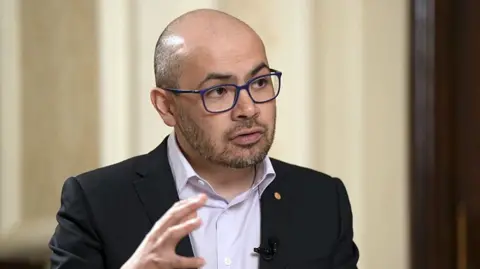
Sir Demis Hassabis of Google DeepMind at the AI Impact Summit in Delhi
Science education “still very important”
Looking ahead, Hassabis said AI could become “a superpower” in the next ten years, transforming what people can create. He stressed the continued relevance of STEM education:
“If you have a technical background, it will still be an advantage in using these systems.”
He added that AI‑generated code will enable more people to build applications, shifting the focus toward “taste, creativity, and judgement.”
The AI Impact Summit, the largest global gathering of world leaders and tech executives, will conclude on Friday with expectations that companies and countries will present a shared view on handling artificial intelligence.