
Android boss reveals the unsurprising reason Google Glass ended up in the tech graveyard
Source: Android Authority
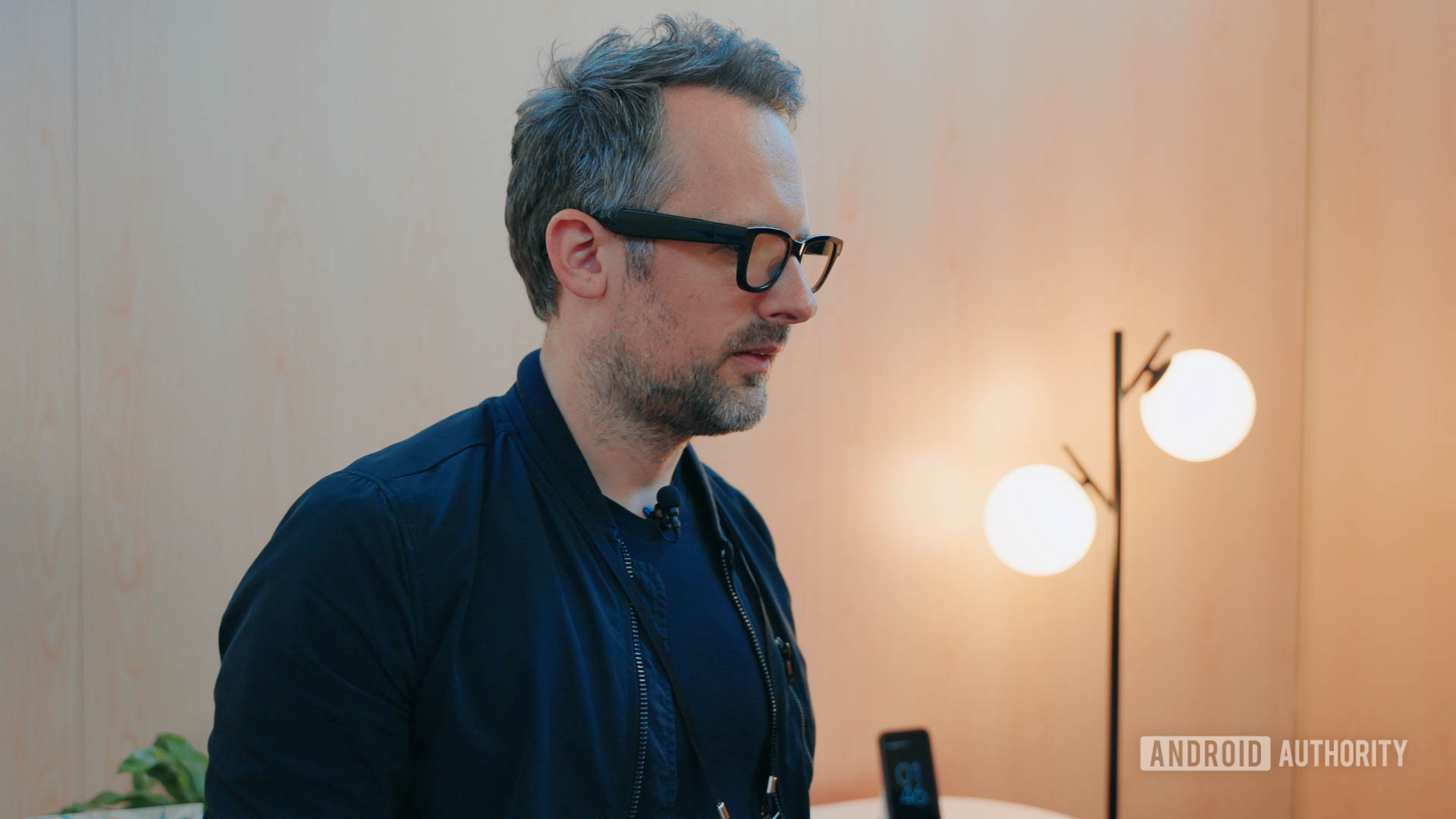
Lanh Nguyen / Android Authority
TL;DR
- A Google executive recently admitted that Google Glass failed because it lacked fashion appeal.
- Sameer Samat, president of the Android ecosystem, said “fashion comes first,” and that it’s more important than technology.
- Google has now partnered with eyewear brands Warby Parker and Gentle Monster to make its upcoming smart glasses look trendy.
Google I/O 2026 preview
At I/O 2026, Google gave a preview of its upcoming Android XR glasses and how they could make everyday life easier. The announcement evoked nostalgia for many, as Google first showcased a smart‑glass prototype at I/O 13 years ago.
Lessons from the original Google Glass
Sameer Samat, president of the Android ecosystem at Google, spoke to media outlets—including Korea’s Yonhap News—about the key takeaway from the failure of the original Google Glass project:
“The most important thing I learned is that fashion comes first, technology comes second.”
Fashion outweighs technology
The comment reflects a broader industry trend. The massive appeal of the Meta Ray‑Ban and Oakley smart glasses shows that style can drive adoption even when the underlying technology isn’t clearly superior. Industry analysts estimate that Meta has sold over 7 million units of its smart glasses since their 2023 launch, despite mixed reviews of the technical performance.
Partnerships with eyewear brands
Google’s strategy now emphasizes design. The company has partnered with popular eyewear makers Warby Parker and Gentle Monster for its new voice‑only Android XR glasses. Samat emphasized that “sensibility and beauty” are vital for consumer tech products, and lacking these elements can lead to pushback from potential buyers.
Samsung also played a role in blending fashion with technology for the devices. Both glasses run on Qualcomm’s Snapdragon AR platform and are slated for release in the fall of this year.
History of Google Glass
- 2013 – Google Glass launched with a $1,500 price tag, offering limited functionality beyond an extra screen.
- 2017 – An enterprise‑grade version (Google Glass Enterprise Edition) was released, but it faced similar market resistance.
Key reasons for the original failure included:
- High price point.
- Limited unique use cases at the time.
- Lack of fashion appeal.
Future plans
Google aims to redeem the concept with its upcoming Gemini platform, which will handle most processing tasks. The new glasses will integrate tightly with other Google devices, such as the Pixel Watch and future Wear OS watches.
Google also hinted at a special “glazen” version of Android that will share processing responsibilities with the phone, rather than merely casting apps onto the lenses. However, these display‑enabled glasses are not expected to arrive until next year.