
Android XR is finally starting to feel real
Source: Engadget
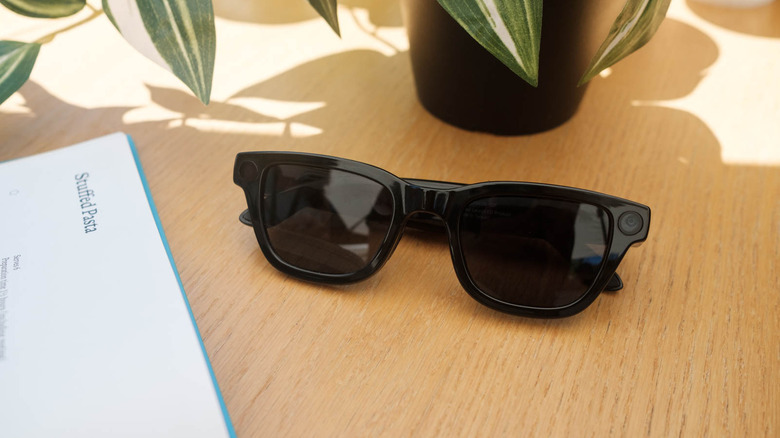
Google’s first Android XR smart glasses are finally moving from prototype to consumer‑ready hardware. After a limited preview at last year’s I/O, the company confirmed that the first production frames from Warby Parker and Gentle Monster will ship later this year. While the consumer models will be audio‑only, the reference hardware used for development includes a built‑in display, allowing a direct comparison with Meta’s Ray‑Ban glasses.
Hardware Overview
The demo units were “reference hardware” that Google uses internally. They differ from the upcoming Warby Parker/Gentle Monster frames in two key ways:
- Display – A single micro‑display positioned over the right lens, offering a ~20° field of view.
- Form factor – Slightly bulkier than the audio‑only version but still lighter and less “nerdy” than Meta’s chunky display glasses.

Display Performance
The display is comparable to Meta’s in terms of crispness and brightness. Google noted that the 20° field‑of‑view figure could change as the product matures. Even though the consumer version will lack a visual display, the reference hardware demonstrates that Google can deliver a high‑quality visual experience when needed.
Integrated Software & AI
Real‑time Translation
Google Translate runs seamlessly on the glasses. During the demo, the device switched between a Spanish‑speaking Google representative and a Serbian‑speaking colleague, providing continuous, language‑specific subtitles while ignoring surrounding English conversation. This contrasts with Meta’s current approach, which:
- Supports only one language at a time.
- Requires the language pack to be pre‑downloaded to a paired phone.
Gemini‑Powered Multimodal Interaction
The onboard cameras feed visual context to Gemini, enabling on‑the‑fly commands such as:
- “Add the ingredients from this recipe to my Google Keep shopping list.”
- “Show me reviews for nearby restaurants.”
Gemini briefly hesitated on the first command but recovered without requiring the user to restart the interaction.
Ecosystem Comparison
- Third‑party apps – Meta’s glasses currently support a limited set of third‑party apps (e.g., WhatsApp, Instagram). Google’s Android XR is heavily tied to its own services (Maps, Gmail, Keep), which feel more practical for everyday tasks.
- Navigation – The display version can overlay walking directions and a mini‑map when the user looks down. The audio‑only version will still provide spoken turn‑by‑turn guidance, leveraging Google Maps data.
- Use cases – Travel, on‑the‑go translations, and contextual information retrieval appear strongest for Android XR.
Open Questions
- Specs & pricing – Google has not yet disclosed the final specifications or cost of the consumer‑ready glasses.
- Form factor – How will the audio‑only design balance comfort, battery life, and durability?
- App ecosystem – Will Google open the platform to third‑party developers, or remain primarily a Google‑services hub?
Despite these unknowns, the integration of Google’s AI, translation, and mapping services gives Android XR a compelling advantage over competing smart‑glass platforms.