
Vivo’s new Android phone shows what Google and Samsung get wrong with their cameras
Source: Android Authority
Introduction
Hadlee Simons / Android Authority
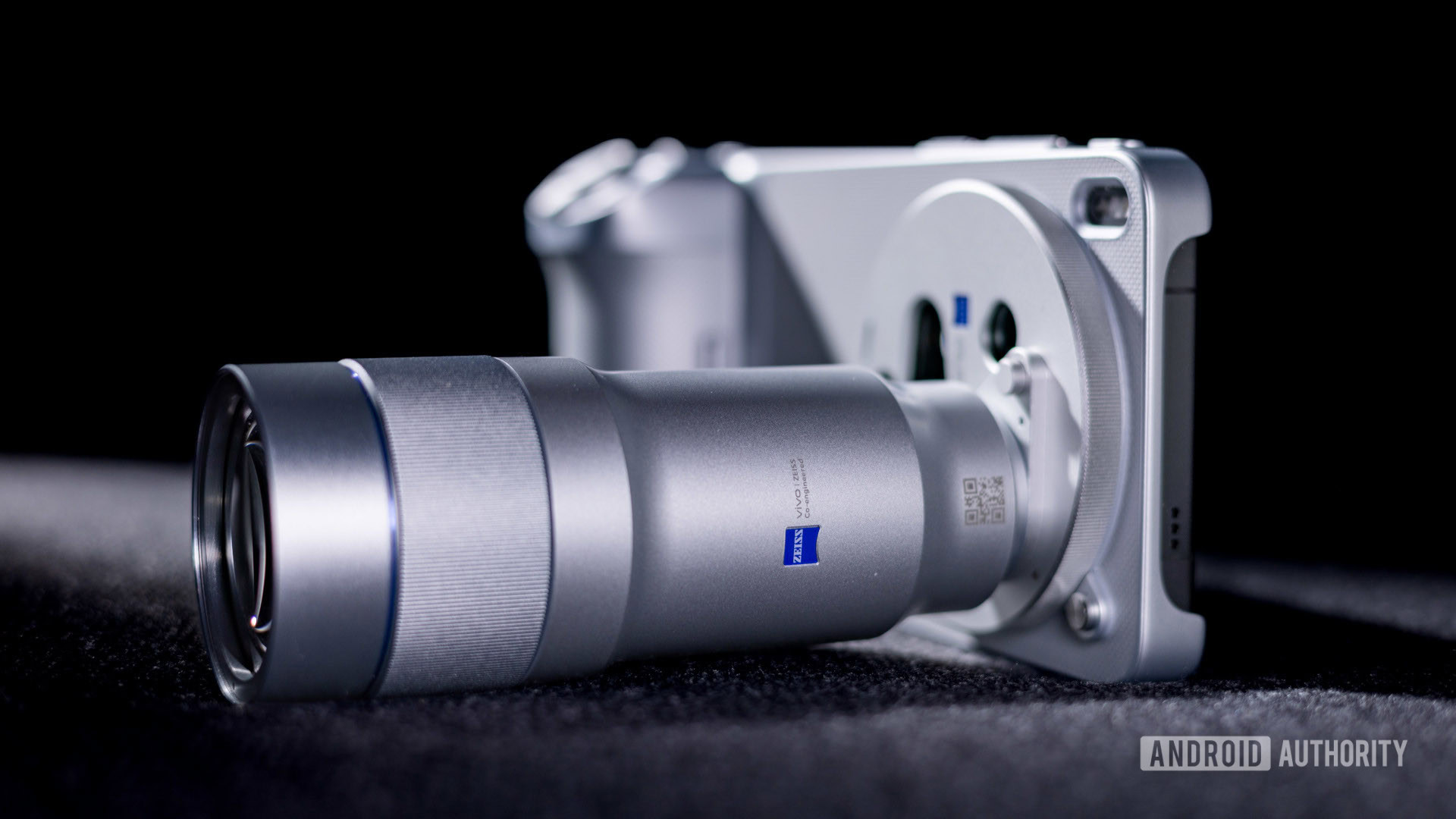
MWC was last week, and vivo used the opportunity to talk up its upcoming X300 Ultra flagship. Like the vivo X300 Pro before it, the X300 Ultra focuses heavily on mobile imaging, offering external lens accessories and support for Samsung‑developed Advanced Professional Video codec. The phone’s primary camera debuts a new 200‑megapixel Sony‑made sensor and includes a few specs that are especially appealing to mobile photography enthusiasts in the US.
The 200 MP number is eye‑catching, but it isn’t wholly unique—Samsung’s Ultra phones have had 200 MP primary cameras since 2023. More importantly, the X300 Ultra’s primary sensor is 1/1.12 inches, about 16 % larger than the sensors in the Galaxy S26 Ultra and Pixel 10 Pro.
Most importantly to me, vivo has chosen an equivalent 35 mm focal length, addressing a common pet peeve about modern smartphone camera setups.
Would you upgrade to a phone with a 35 mm primary camera?
Most primary phone cameras are too wide
Robert Triggs / Android Authority
In dedicated cameras, focal length is the distance between the lens and the image sensor. Smartphone lenses sit much closer to their sensors, so advertised focal lengths are “equivalent” values that describe the field of view relative to a full‑frame camera.
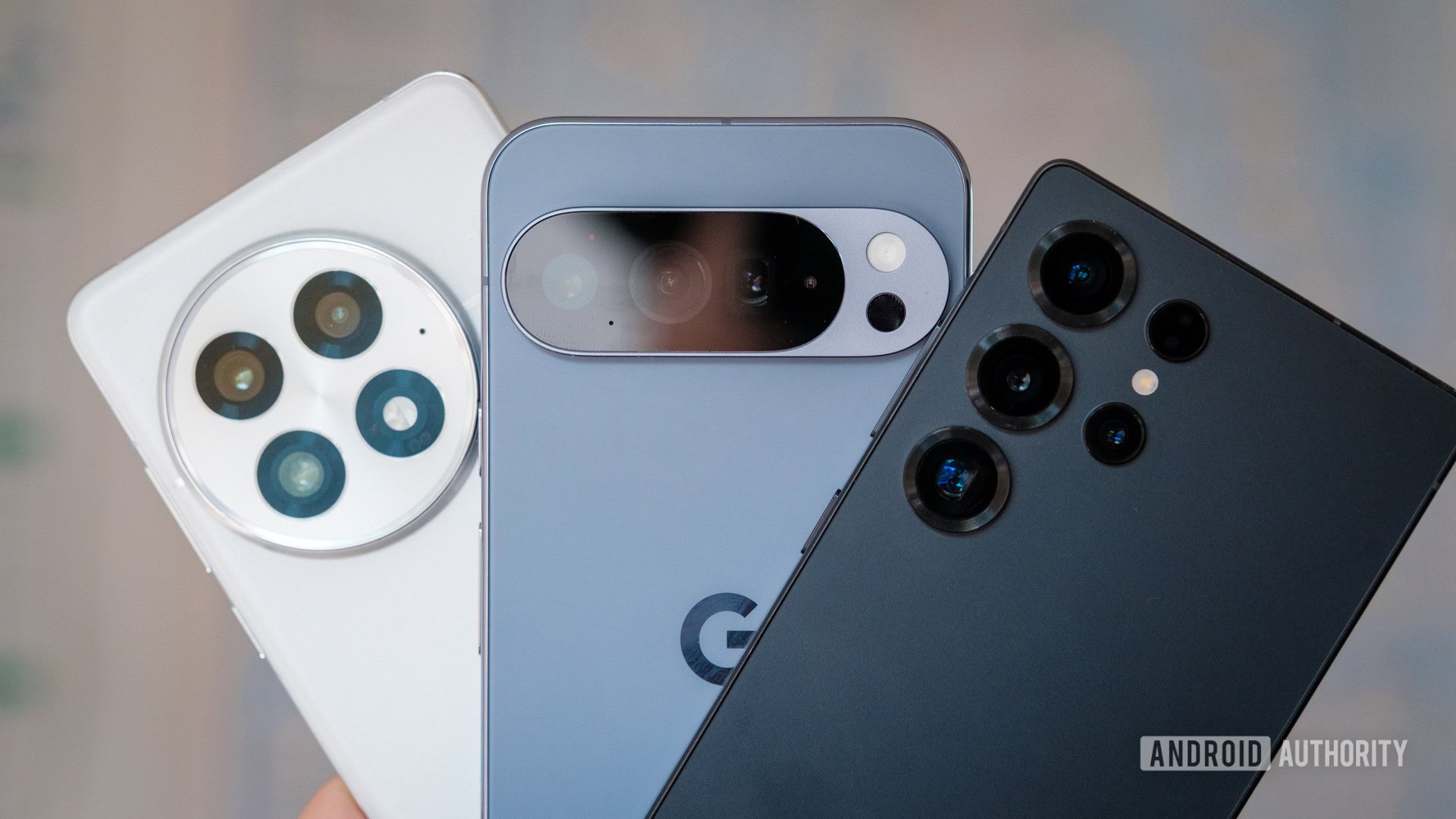
The vivo X300 Ultra’s 35 mm‑equivalent primary camera captures a field of view similar to a 35 mm lens on a full‑frame sensor. By contrast:
- Pixel 10 Pro primary camera: 25 mm equivalent
- Galaxy S26 Ultra primary camera: 23 mm equivalent
A longer focal length yields a narrower field of view and a more “zoomed‑in” look. The shorter 25 mm‑ and 23 mm‑equivalents produce wider shots that are useful for landscapes or large groups, but they can make single subjects appear small. If you move closer to a subject to fill the frame, the image may become distorted compared to how you remember the scene.
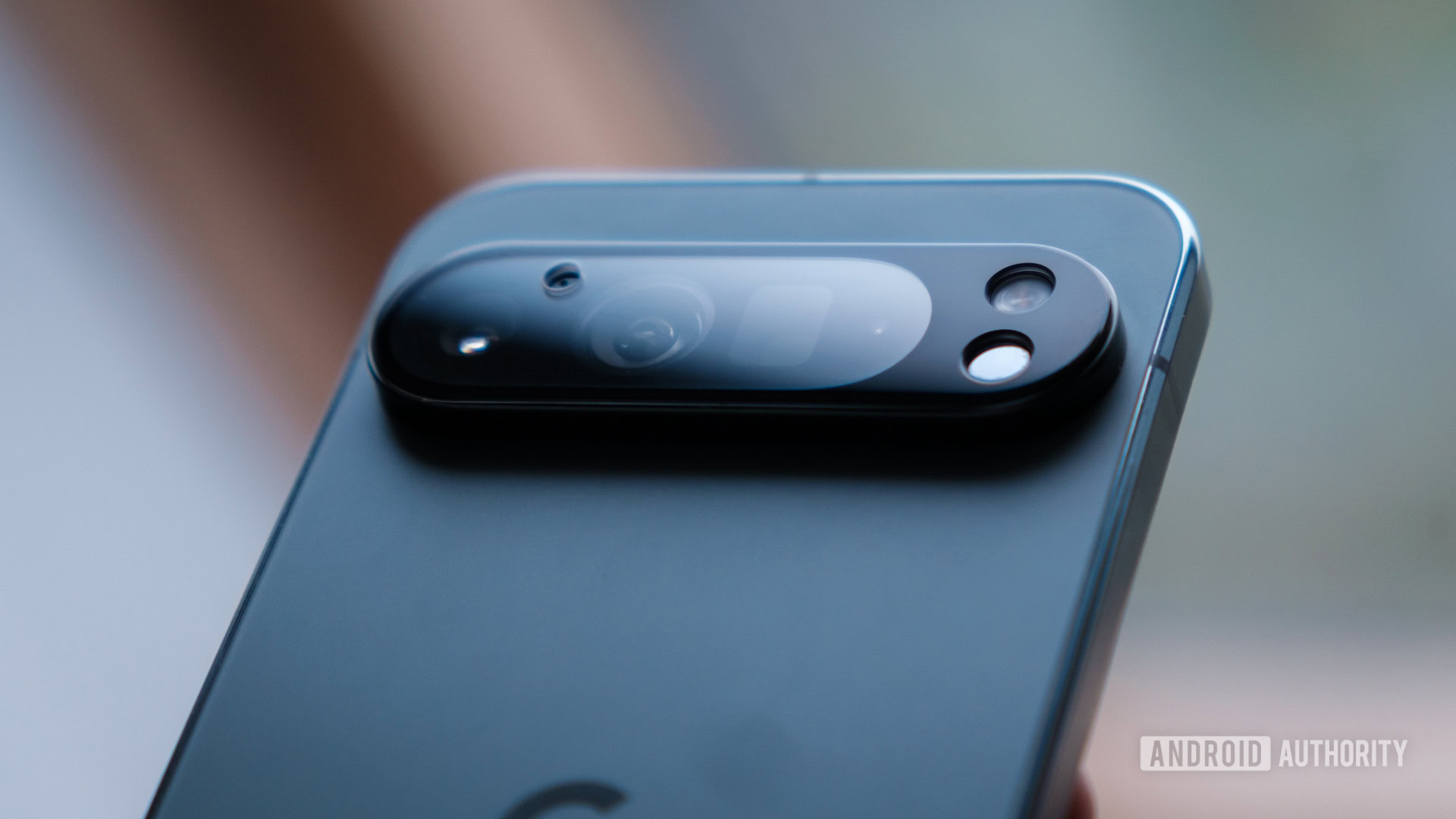
On most flagship phones (including my usual Pixel 9 Pro), I find myself using software zoom constantly to isolate subjects. While Google’s machine‑learning tricks help, software zoom still degrades image quality, and tapping the 2× button for every shot becomes tedious. Even with a dedicated ultrawide lens, I wish the primary camera offered a tighter field of view.
A 35 mm‑equivalent focal length provides roughly a 1.4× magnified view compared to a 25 mm‑equivalent camera, delivering a more natural perspective for subjects a few feet away. For wider scenes, the ultrawide lens remains available.
I’d upgrade my phone for a 35 mm primary camera
Robert Triggs / Android Authority
The X300 Ultra isn’t the first phone with a 35 mm primary camera—last year’s vivo X200 Ultra and the Nubia Z70 Ultra also featured it. However, those devices lack the X300 Ultra’s combination of a 35 mm equivalent focal length and a large 1/1.12″ sensor. Moreover, the X200 Ultra was China‑only, while the X300 Ultra will launch in more markets (though likely not the US).
A strong 35 mm primary camera is one of the few hardware improvements that could motivate me to upgrade at this point. I hope a major US player—Google, Samsung, or even Apple—adopts a similar approach in the coming years. With meaningful hardware updates becoming rarer, a camera tweak like this could generate genuine excitement, perhaps even more than AI‑driven features.