
US military uses a laser to blast a drone out of the sky on the US-Mexico border — the target belonged to Customs and Border Protection in the friendly fire incident
Source: Tom’s Hardware
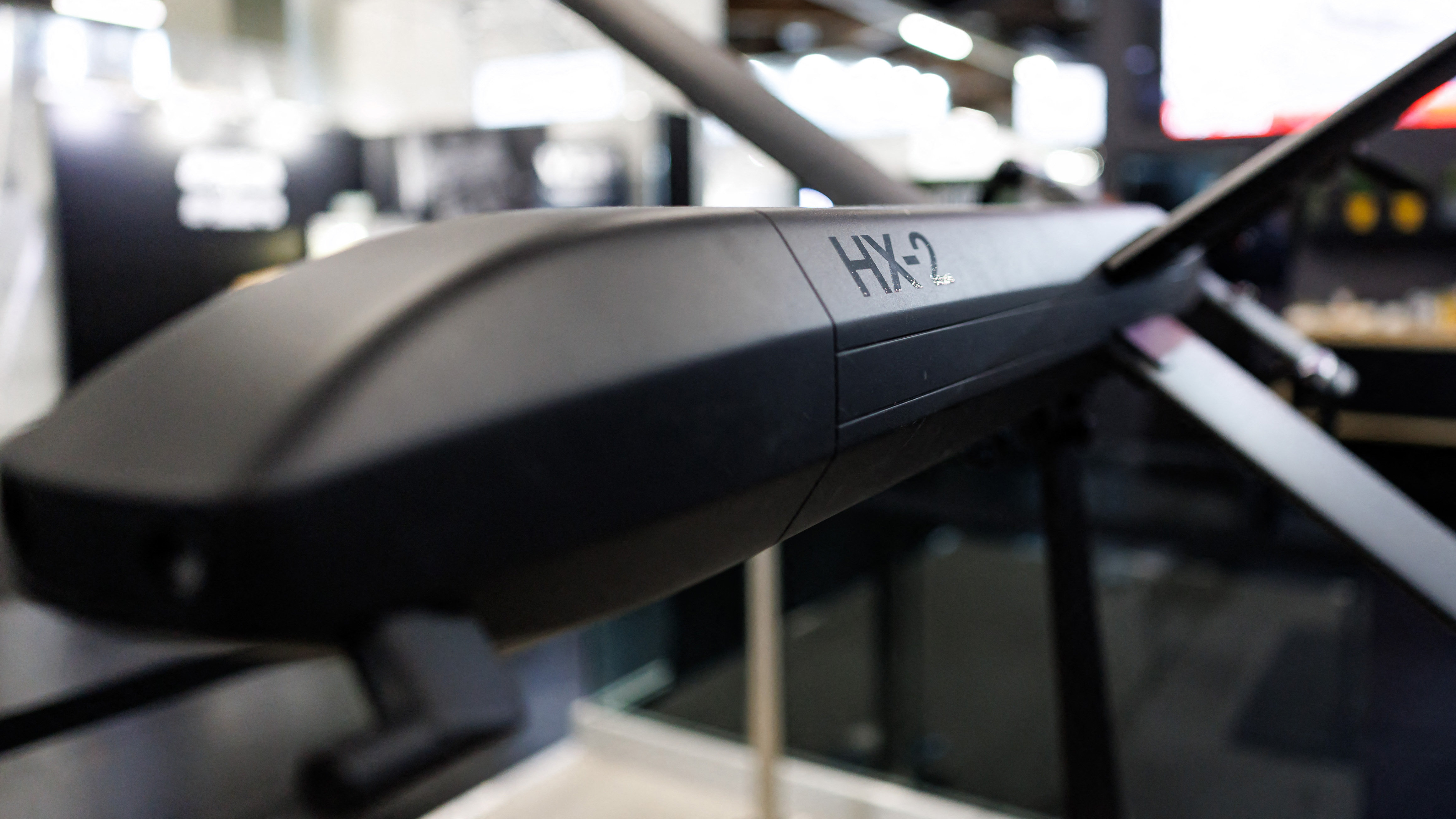
Image credit: Getty Images
Incident Overview
Congress officials reported that the U.S. military accidentally shot down a Customs and Border Protection (CBP) drone operating near the U.S.–Mexico border. The incident occurred in Fort Hancock, about 50 miles southeast of El Paso International Airport. The airport had been shut down two weeks earlier after a separate laser weapon was mistakenly fired at what was believed to be a Mexican cartel drone.
The U.S. military is required to notify the Federal Aviation Administration (FAA) before conducting any counter‑drone action in U.S. airspace. Following this event, the FAA closed the airspace over the area, though it is unclear whether flight schedules were affected.
Political Reaction
The report reached the House Committee on Transportation and Infrastructure. Ranking members Rep. Rick Larsen (D‑WA), Rep. André Carson (D‑IN), and Rep. Bennie G. Thompson (D‑MS) issued a statement criticizing the Trump administration:
“Our heads are exploding over the news that DoD reportedly shot down a CBP drone using a high‑risk counter‑unmanned aircraft system. We said months ago that the White House’s decision to sidestep a bipartisan tri‑committee bill to appropriate training for C‑UAS operators and address the lack of coordination between the Pentagon, DHS, and the FAA was short‑sighted. Now we’re seeing the result of its incompetence.”
Growing Drone Threats
Drone usage has surged globally, highlighted by their extensive deployment during the 2022 Russian invasion of Ukraine. China, a major geopolitical rival of the United States, has developed an AI‑controlled drone swarm capable of being operated by a single soldier controlling 200 units.
In response, many nations are fielding counter‑drone technologies, including:
- High‑power lasers (e.g., 100 kW systems) – capable of disabling drones, rockets, and mortars.
- Vehicle‑mounted lasers – portable solutions for ground forces.
- Sea‑borne laser platforms – naval defenses against high‑speed drones.
- High‑powered microwaves – electromagnetic bursts that can neutralize swarms.
- AI‑powered counter‑drone systems – such as NVIDIA‑backed solutions that can intercept fast‑moving threats.
Implications for Aviation Safety
The Fort Hancock incident underscores the need for robust threat‑detection and coordination mechanisms to prevent friendly fire. Uncoordinated use of counter‑drone weapons can endanger civilian aircraft, damage airliners, and jeopardize crew safety.
This event follows a tragic collision last year between a U.S. Army helicopter and a passenger airliner on final approach to Ronald Reagan Washington National Airport. Despite rigorous training for both military and civilian pilots, the integration of drones and counter‑drone systems without proper coordination heightens risks to the flying public.