
These clever new manufacturing processes are good for both Apple and the environment
Source: 9to5Mac
Apple hardware design lead Molly Anderson said that the company started from scratch when it came to the process for manufacturing the new MacBook Neo, resulting in far more efficient use of materials. The company is also reportedly looking to adopt an extremely challenging manufacturing technique for the aluminum chassis of future iPhone and Apple Watch models.
Apple had already touted the environmental credentials of its latest laptop, saying that it set a new record for recycled materials. It features 60 percent recycled content — the highest percentage of any Apple product. This includes 90 percent recycled aluminum overall and 100 percent recycled cobalt in the battery.
New MacBook Neo machining process
The company referenced a new manufacturing process but didn’t provide details at the time. The enclosure is manufactured with a material‑efficient forming process that uses 50 percent less aluminum compared to traditional machining methods.
For previous MacBooks, Apple started with a rectangular piece of aluminium and machined it to shape, resulting in significant unused off‑cuts. For the MacBook Neo, however, Anderson explained that the company was able to dramatically reduce the amount of unused aluminium:
“We started with an extrusion, we flatten and then form it with heat and pressure to get as close as possible to the shape of the final product. Then we fine‑machine to create the profile.”
According to Anderson, this halved the amount of material used. Reducing material waste improves Apple’s margins and benefits the environment. While the off‑cuts are still recycled where possible, the reduced volume means less processing overall and a shorter machining time, which likely lowers power consumption.
3D‑printing iPhone and Apple Watch chassis
Apple first started using 3D printing for the titanium chassis of the Apple Watch Ultra 3. The company said this allowed it to use 100 percent recycled titanium powder and was a more efficient use of material.
A Bloomberg report says the company is now working on ways to 3D‑print aluminum for the chassis of future iPhone and Apple Watch models (source).
3D‑printing aluminum is notoriously challenging because its high reflectivity and thermal conductivity make it difficult to melt with lasers, and extreme precision is required to avoid microscopic internal voids that can weaken the finished part. Consequently, the process is usually limited to aerospace and automotive applications where weight savings justify the complexity. If Apple can implement it at mass‑production scale for consumer electronics, it would represent a significant technological achievement.
Wins for Apple and the environment
Highlighting the environmental credentials of new products while also saving manufacturing costs creates a win‑win for Apple’s bottom line and the planet.
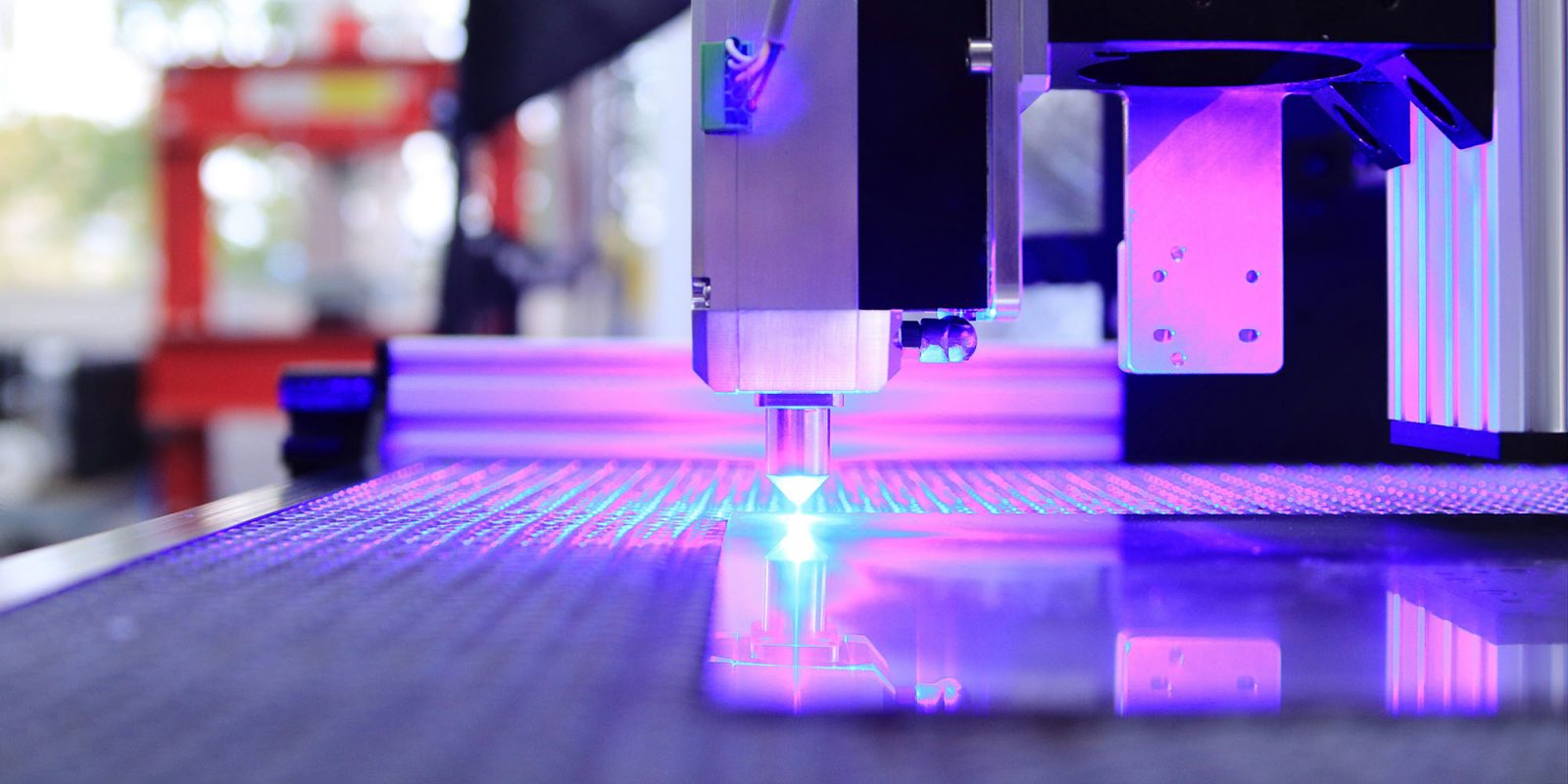
Photo by Opt Lasers on Unsplash