
Apple planning new 3D-printed aluminum chassis for iPhone and Apple Watch: report
Source: 9to5Mac
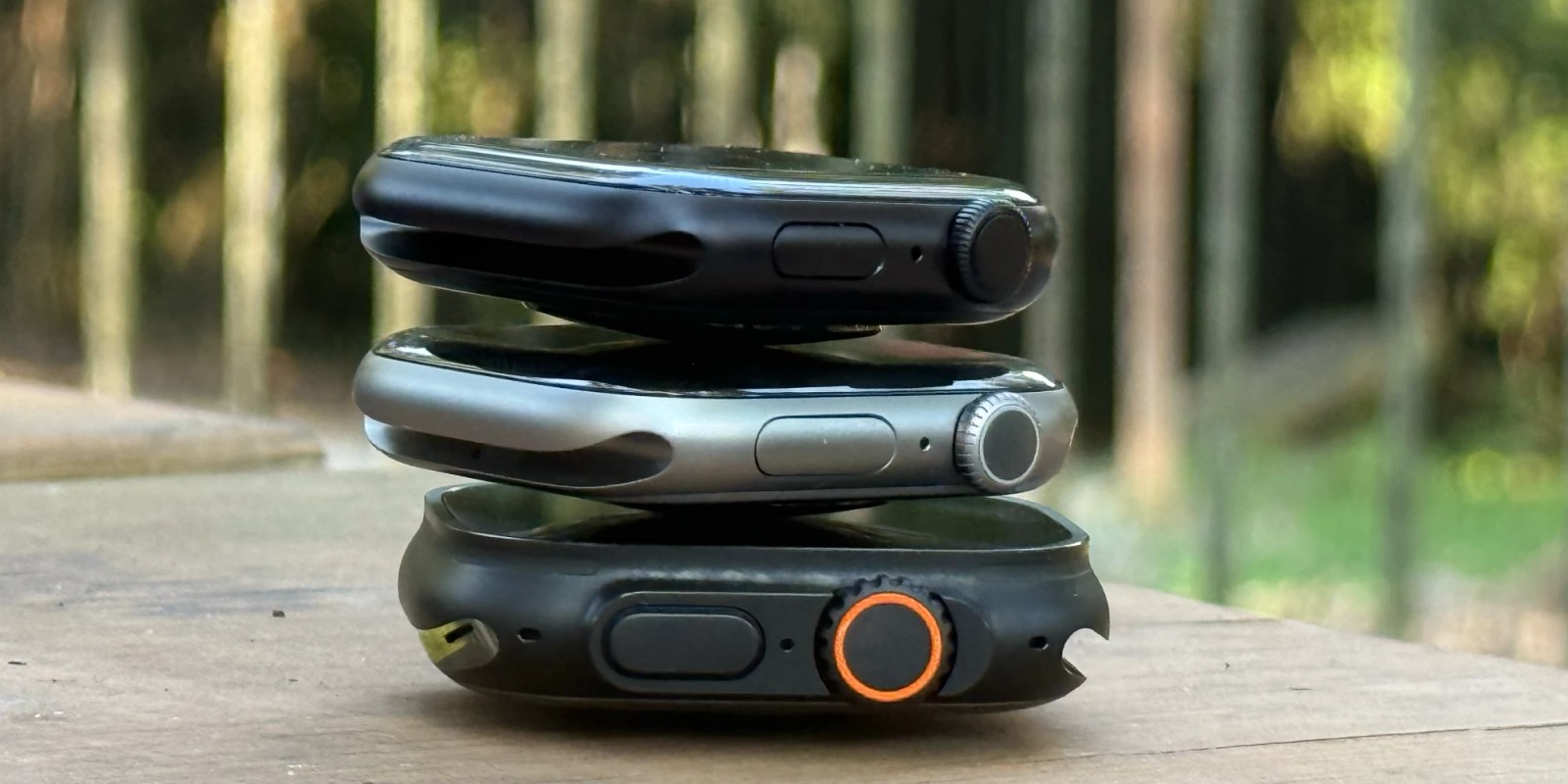
With the Apple Watch Ultra 3, Apple introduced a new 3D‑printing manufacturing process for the titanium shell – allowing the company to save on raw materials, improve on cost, and use 100 % recycled titanium powder. The company also uses 3D printing for the titanium version of the Apple Watch Series 11, as well as the USB‑C port on iPhone Air.
Now, the company is looking to expand that process to aluminum – allowing most Apple Watch shells to be 3D printed. Further ahead, it may even come to the iPhone, per Mark Gurman’s Power On newsletter.
As we heard last month prior to the announcement, Apple adopted a new lower‑cost aluminum manufacturing process with MacBook Neo. This allowed the company to keep a strong, durable aluminum chassis in its cheapest MacBook ever, even though plastic is often associated with cheaper products. Up until 2010, Apple even offered a cheaper white‑plastic MacBook.
However, even though this new aluminum manufacturing process is cheaper, it isn’t utilizing 3D printing. It does utilize as little metal as possible, and MacBook Neo uses 50 % less aluminum than traditional manufacturing processes.
3D printed aluminum coming to iPhone, Apple Watch
Apple wants to see something similar pan out on future iPhone and Apple Watch models. From Bloomberg’s Mark Gurman:
The company’s manufacturing design team — along with its operations department — is working on ways to 3D‑print aluminum, which would bring more efficiency to the production of Apple Watch casings and, potentially one day, iPhone enclosures, I’m told.
Despite cost‑saving being the headlining benefit, 3D printing isn’t exclusively about saving on cost. On the Apple Watch Ultra 3, Apple took advantage of the process to enhance water resistance:
Another key design enhancement 3D‑printing unlocked: printing textures in locations that were historically inaccessible in the forging process. For Apple Watch, this meant being able to improve the waterproofing process for the antenna housing in cellular models. Within the case, cellular models have a split filled with plastic to enable antenna functionality, and 3D‑printing a specific texture on the inner surface of the metal enabled Apple to achieve better bonding between plastic and metal.
iPhone Air also takes advantage of 3D printing, allowing a thinner USB‑C port to be manufactured. Without 3D printing, iPhone Air would likely have been slightly thicker.
It isn’t exactly clear what other consumer‑facing benefits a 3D‑printed aluminum chassis would have, but either way, it’s a neat environmental win. Maybe someday we’ll see an even cheaper iPhone “e” model, closer to $499 versus the $599 of the iPhone 17e. Only time will tell.