
Silicon Motion increases sales of SSD controllers amid NAND shortage, but expects NAND shortages to get worse in 2027 — 'supply conditions will become even worse'
Source: Tom’s Hardware
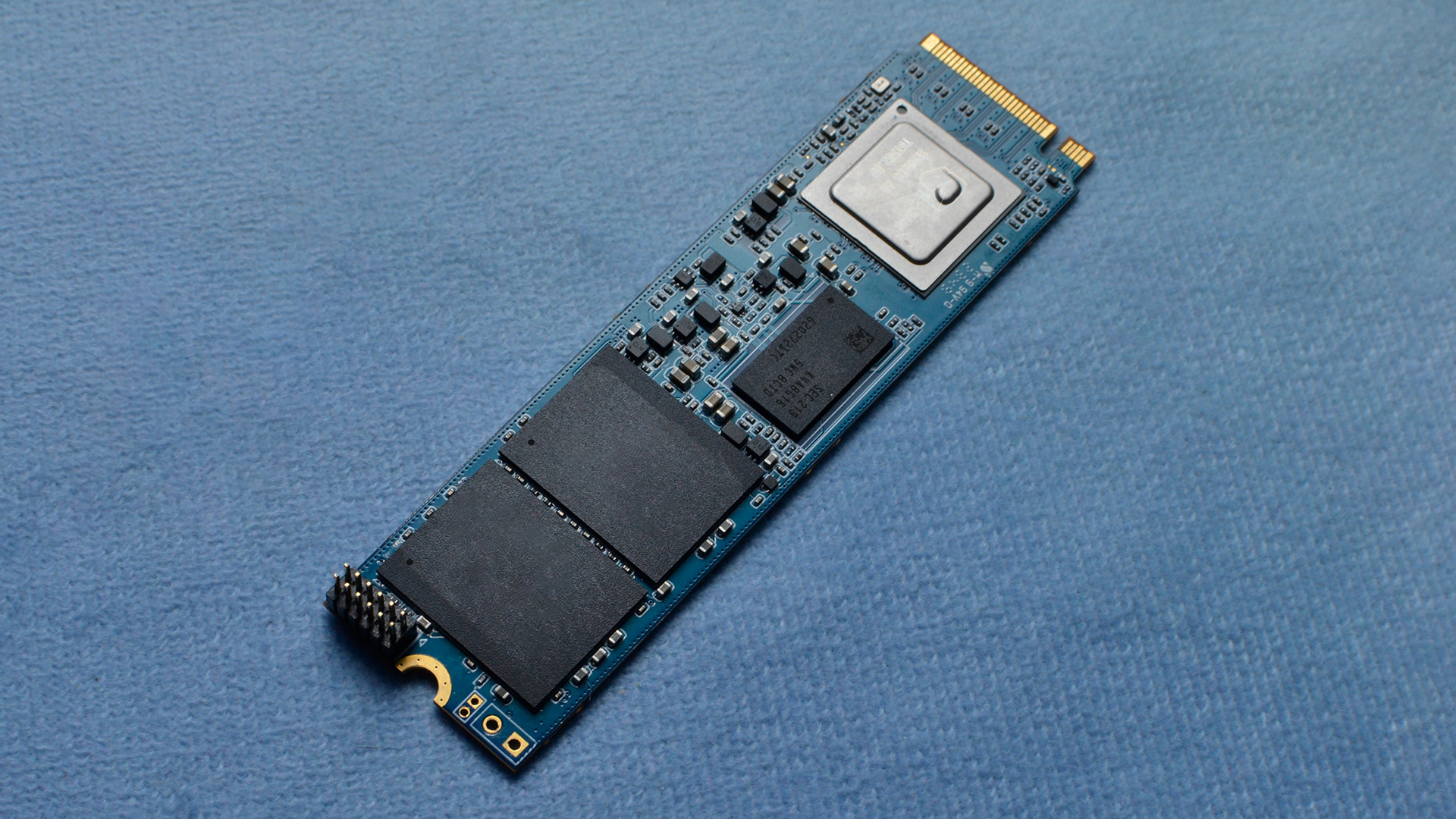
Image credit: Tom’s Hardware
SSD Market Conditions Q1 2026
SSD pricing hit record highs in Q1 2026 amid high demand and insufficient supply of 3D NAND memory for consumer applications. While the market faces tight supply, Silicon Motion managed to increase revenues from its SSD‑controller business, driven by strong sales of higher‑end devices.
Silicon Motion Revenue Growth
“Our high‑end controller is selling very well, including PCIe 4.0 and PCIe 5.0 controllers, UFS 3.1 and eMMC 4.1,” said Nelson Duann, senior vice president of Silicon Motion’s client business unit, in an interview with Tom’s Hardware. “The low‑end part of the business is suffering as consumer demand goes down. But as ASP of high‑end controllers is higher, it compensates the dropping sales of lower‑end controllers. So that is why our revenue momentum is still going up.”
Silicon Motion’s first‑quarter sales were $342.1 million, up 23 % quarter‑over‑quarter and 105 % year‑over‑year. Sales of SSD controllers rose 40 %–45 % YoY, with growth in both consumer and enterprise‑grade products. The company ramped up shipments of PCIe 5.0 SSD controllers to meet strong demand from the data‑center segment.
Supply Outlook for NAND Memory
“For the second half of this year, I expect the situation to remain largely unchanged; supply will stay very tight,” Duann said. “2027 is going to be the worst from a NAND‑supply perspective. Looking ahead to next year, NAND makers are very pessimistic. They tell us supply conditions will become even worse because CSPs and data‑center operators continue to increase their demand. As a result, NAND suppliers have little choice but to focus their allocation on the data‑center market.”
While NAND producers will continue to supply some flash for consumer products and a smaller share for automotive applications, the overall allocation is insufficient to alleviate the supply‑demand gap, which is expected to worsen in 2027.
Implications for Consumers and Enterprises
The tightening NAND supply does not mean an end to consumer‑grade flash, but it does suggest that SSD manufacturers may reduce drive capacities to meet unit demand. This could keep demand for SSD controllers steady—or even increase it—despite the broader market constraints.
The full interview with Silicon Motion’s Nelson Duann will be published later this month.
Tom’s Hardware on Google News – follow for the latest news, analysis, and reviews.