
Real-World Agent Examples with Gemini 3
Source: Google Developers Blog
December 19, 2025
We are entering a new phase of agentic AI. Developers are moving beyond simple notebooks to build complex, production‑ready agentic workflows that can handle real‑world tasks—from browser automation to social media interactions.
Gemini 3 is designed to act as the core orchestrator for these workflows. Precise controls over reasoning depth and state management help address the reliability challenges that have historically made AI agents difficult to deploy.
But what does this look like in practice? Theory is great, but seeing the code is better.
We’ve collaborated with six open‑source frameworks and tools to create examples you can clone, run, and inspect to see how Gemini 3 powers the next generation of AI agents.
Example Frameworks & Tools
- Framework 1
- Framework 2
- Framework 3
- Framework 4
- Framework 5
- Framework 6
1. ADK (Agent Development Kit)

Agent Development Kit (ADK) is a model‑agnostic framework designed to make building, testing, and deploying AI agents feel like standard software development. It provides the architectural primitives needed to construct scalable agentic workflows—from simple chatbots to complex multi‑agent systems.
The Retail Location Strategy sample agent demonstrates how to compose specialized agents, using Gemini 3 for orchestration, to synthesize data into a comprehensive strategy report. It leverages Google Search, Maps, and code execution to perform deep analysis and generate visual reporting.
2. Agno

Agno (formerly Phidata) is a popular open‑source framework for building multi‑agent systems equipped with memory, knowledge, and tools. Agno enables developers to create specialized AI agents—such as financial analysts or researchers—that can autonomously query APIs and reason over data.
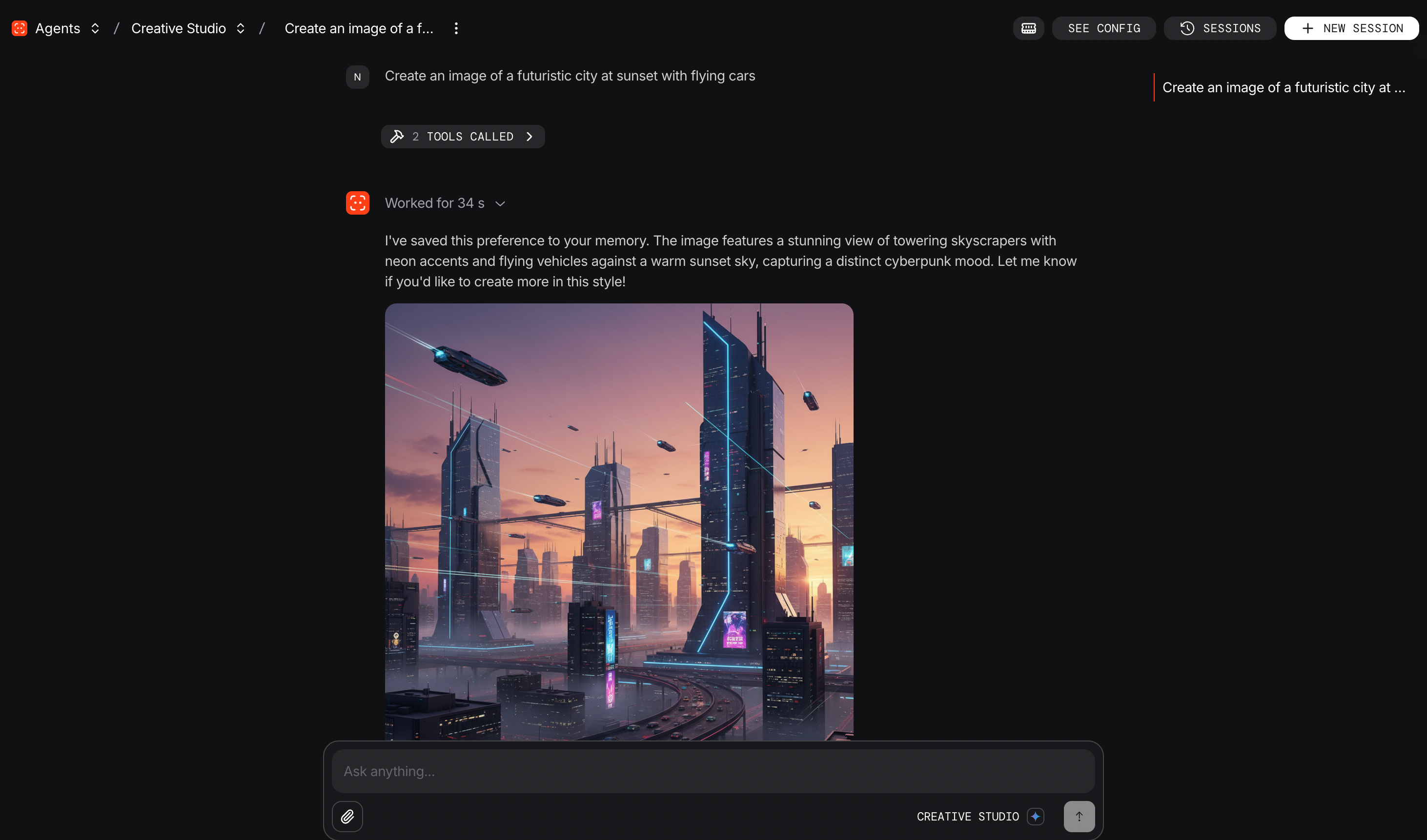
In this demo, Agno works with Gemini 3 Pro to build a multi‑agent suite that relies entirely on native model capabilities. It showcases a Creative Studio using a Nano Banana Pro tool for image generation, alongside research agents that leverage the built‑in:
3. Browser Use

Browser Use is an open‑source library that empowers AI agents to interact with websites. It handles the complex bridge between an LLM’s reasoning and actual browser actions—clicking, typing, navigating—enabling robust web automation.
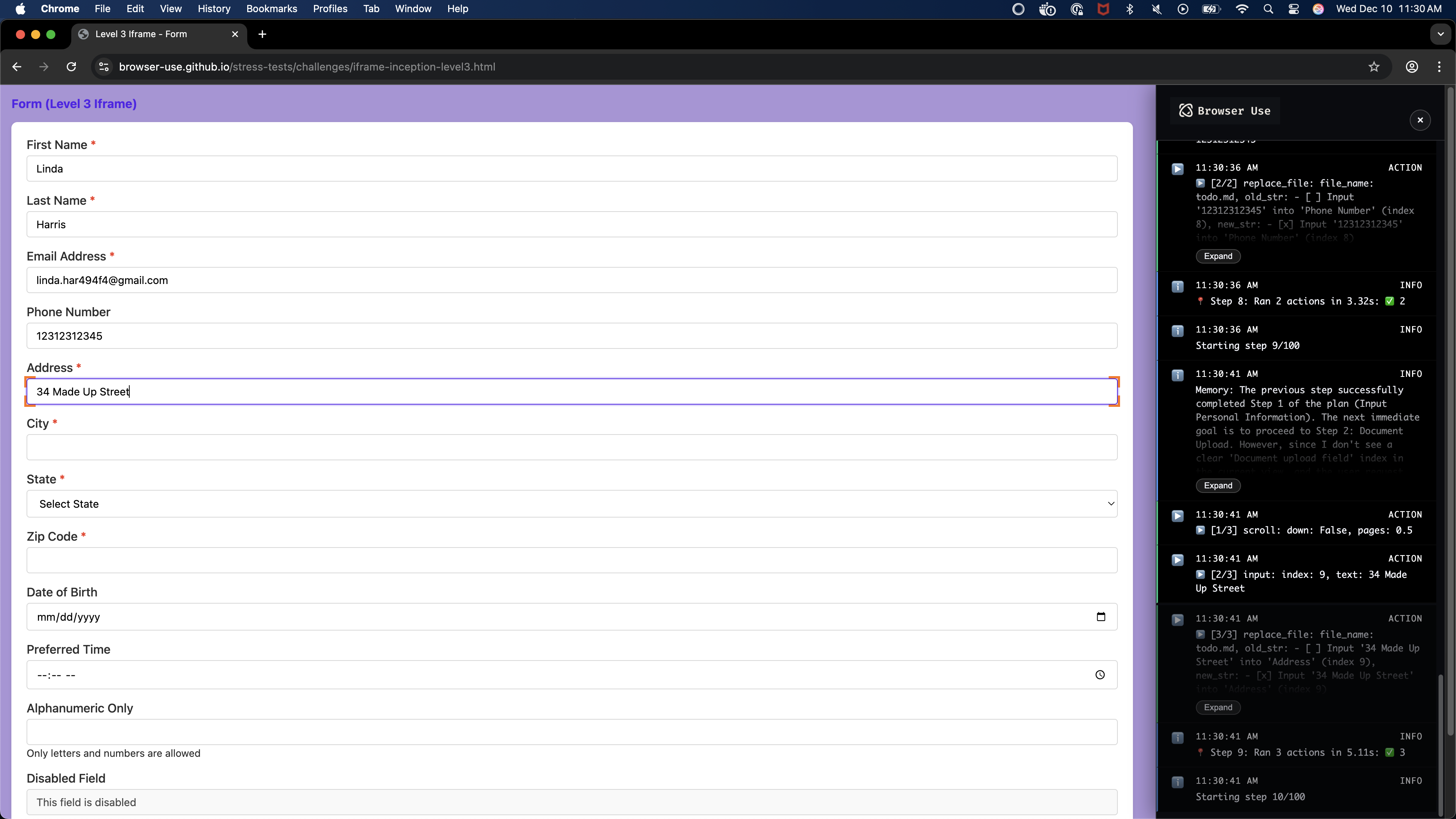
The accompanying demo showcases a form‑filling AI agent powered by Gemini 3 Pro. Instead of relying on brittle CSS selectors, the agent uses Gemini 3’s multimodal capabilities to:
- Visually identify fields
- Map structured JSON data to complex inputs
- Handle file uploads autonomously
The model’s reasoning speed ensures the automation remains fluid and reliable, even when navigating multi‑step forms or cross‑origin iframes.
4. Eigent

Eigent is a local‑first, multi‑agent platform designed to automate complex workforce tasks. It enables users to create and run a team of specialized AI agents directly on their own infrastructure, utilizing the CAMEL framework under the hood.
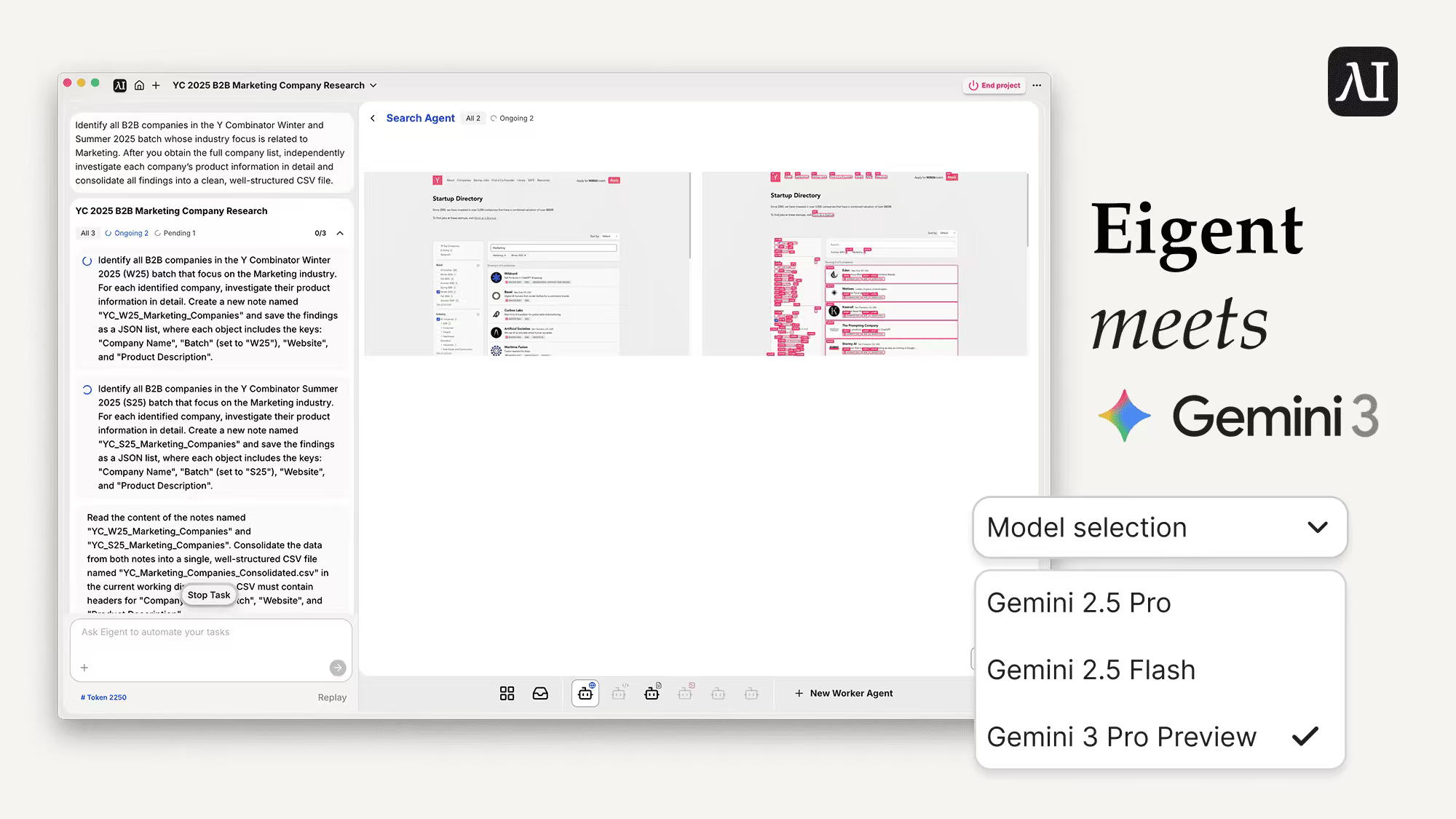
In this guide, Eigent applies the CAMEL workforce architecture to enterprise browser automation, specifically managing Salesforce deal cycles. AI agents autonomously navigate complex dashboards to update records and extract data. By leveraging Gemini 3’s thought signatures, the system maintains reasoning state across long‑horizon tasks, helping to prevent context drift and ensure reliability.
5. Letta

Letta (from the creators of MemGPT) is a platform for building stateful AI agents with advanced memory management. It introduces the concept of a memory hierarchy to LLMs, allowing agents to manage their own context window effectively and run indefinitely without “forgetting” core instructions or history.
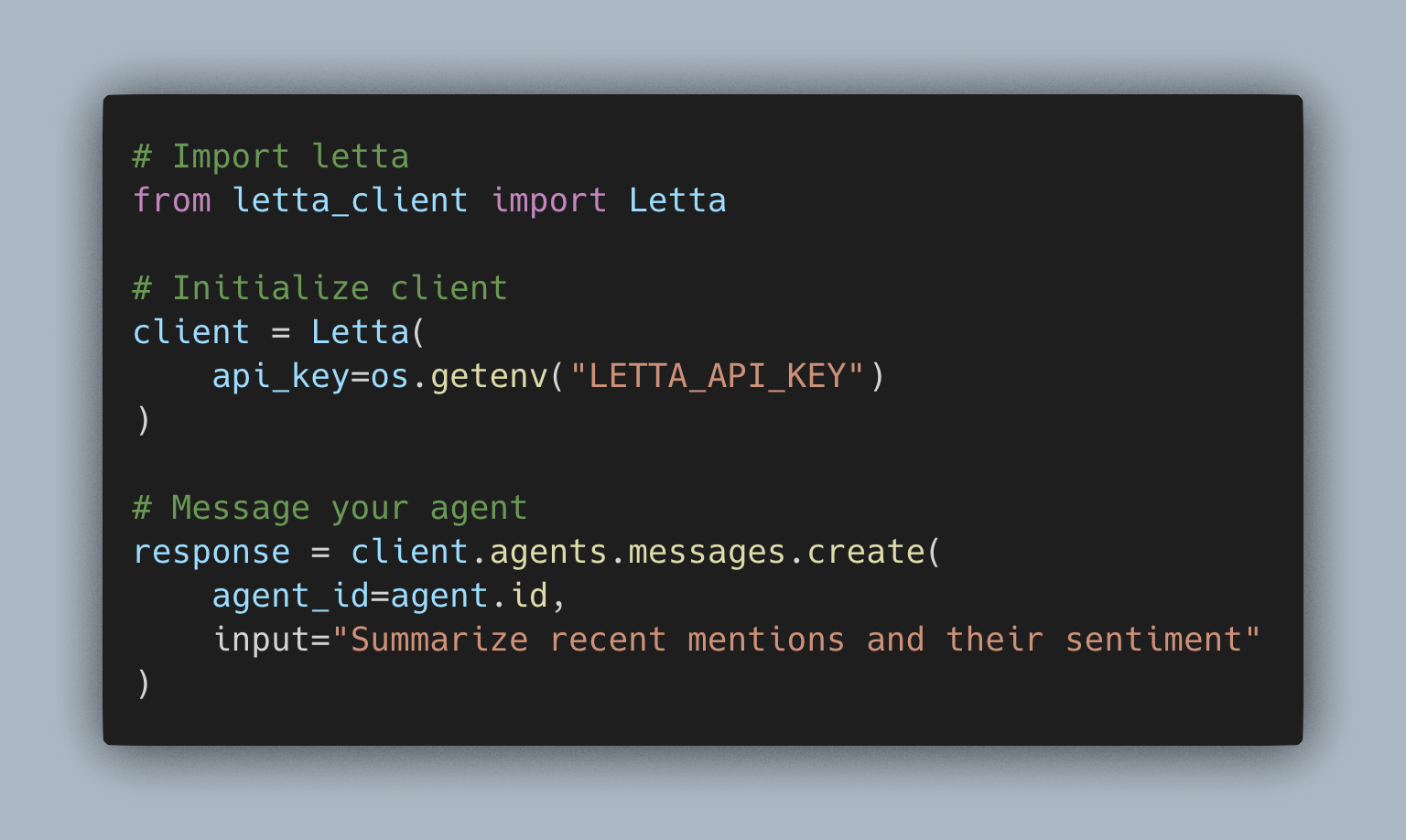
The demo showcases a “social agent” built with Letta and powered by Gemini 3. It demonstrates a framework for deploying a stateful AI agent to a social network. The agent maintains persistent memory that evolves through interactions and develops a stable persona using Letta’s multi‑tiered memory system. Gemini 3 functions as the reasoning engine, utilizing dynamic, per‑user memory blocks for personalized interactions and managing the agent’s state across long‑term operations.
6. mem0

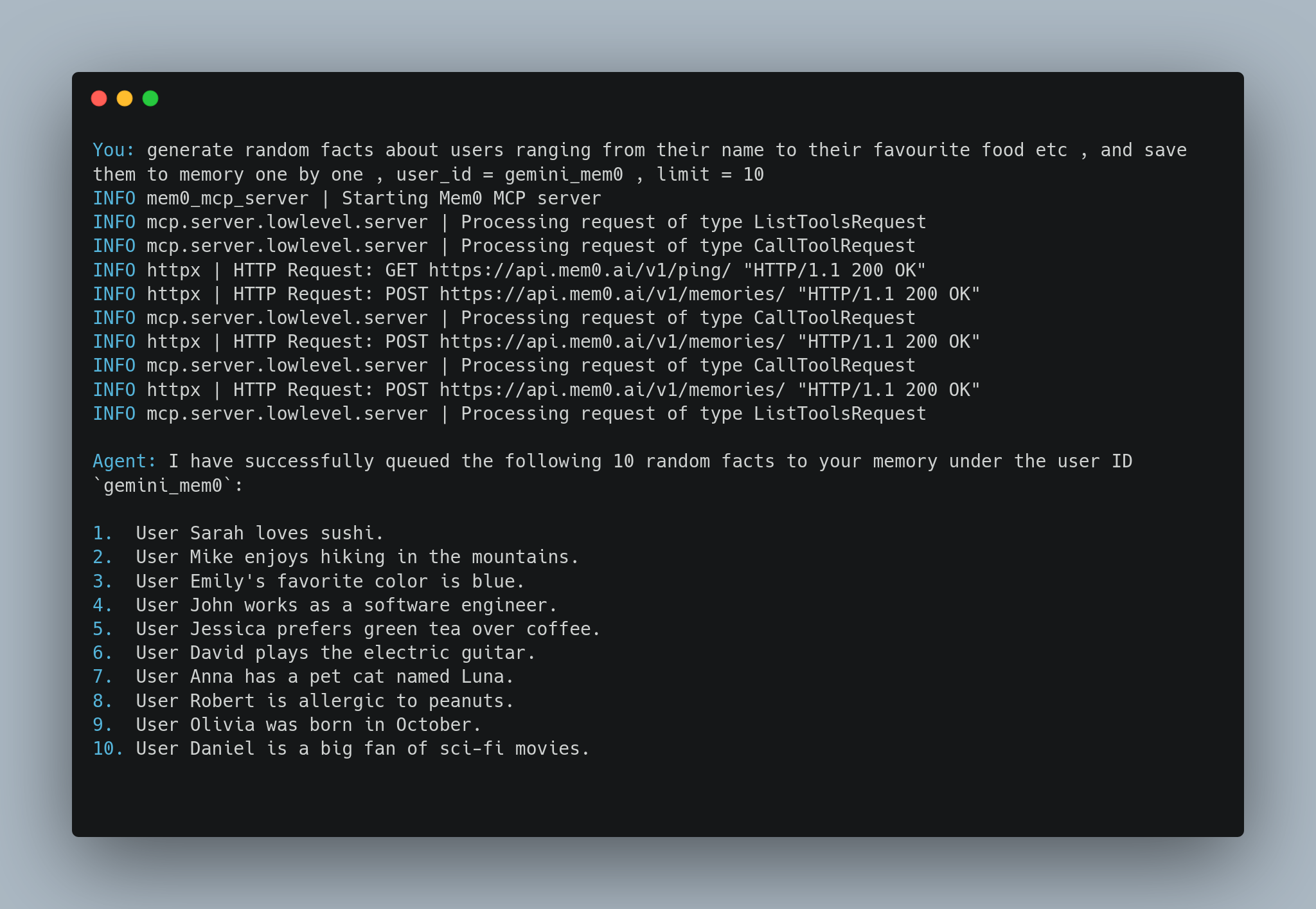
mem0 is a memory‑layer framework for AI applications. It solves one of the biggest hurdles in agentic AI: statelessness. By providing a smart, self‑improving memory layer, mem0 allows AI agents to remember user preferences, past interactions, and long‑term context, making them more personalized and effective.
In this guide you can learn how to build a fast, smart, memory‑aware agent by using the mem0-mcp-server with Gemini 3.
Start Building Today
The future of AI agents isn’t just about the model—it’s about the ecosystem of tools that let the model interact with the world.
We invite you to clone these repositories, run the examples, and see for yourself what Gemini 3 can do. For deeper technical implementation details, check out the Gemini 3 Developer Guide.
Navigation