
Galaxy Z Flip 8 could follow Galaxy S series with a dual-chip strategy
Source: Android Authority
TL;DR
- A new rumor suggests Samsung will make a change to its chip strategy for the Galaxy Z Flip 8.
- The rumor claims that we could get an Exynos chip in some markets and a Snapdragon chip in others.
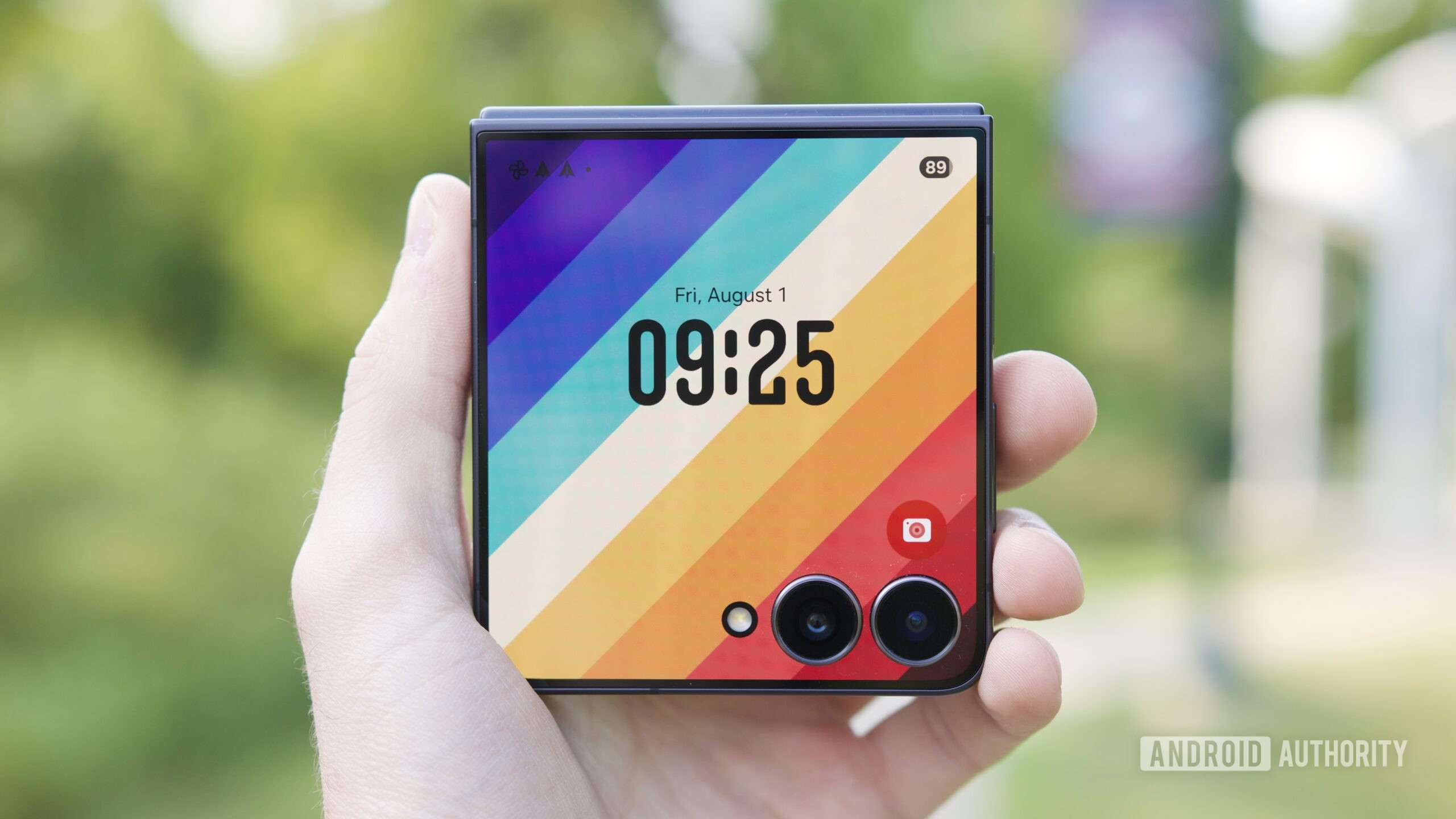
It’s almost summertime, which means we won’t have to wait much longer for Samsung’s summer Galaxy Unpacked event. As usual, this event should serve as the launch point for the Galaxy Z Fold and Flip series. Speaking of the Flip, we’ve heard quite a few details about the company’s next clamshell foldable over the last few months, including the battery, camera specs, and so on. But what about the chip it will be running on? A new rumor may have revealed a change to Samsung’s strategy.
The Galaxy Z Flip series is no stranger to Qualcomm’s Snapdragon processors. Samsung has traditionally used Snapdragon SoCs for the Flip since its inception. However, the tech giant changed course for the Galaxy Z Flip 7, switching to its in‑house Exynos chips. A report from last year suggested that Samsung could once again go down the Exynos road for the Flip 8. Yet a leak from tipster yeux1122 claims Samsung may use the same dual‑chip strategy it employs for the Galaxy S family.
Normally, Samsung adopts a dual‑chip approach for Galaxy S devices, where some markets receive an Exynos chip and others receive Snapdragon. It appears Samsung is planning to use both Exynos and Snapdragon for the Flip 8 as well. The tipster doesn’t specify which Snapdragon model could be used, but notes that the processor you get will depend on your region.
If Samsung shifts from an all‑Exynos lineup to a split between Exynos and Snapdragon, the reason could be cost. The tipster suggests it could be too expensive to put the 2 nm Exynos 2600 in every Flip 8, so using Qualcomm’s technology would help keep costs down.
If Samsung follows the same dual‑chip strategy it uses for the Galaxy S, it’s likely the US, Canada, China, and Japan will get Snapdragon‑based models, while Exynos models would appear in markets such as India, Europe, and South Korea.