
A 240Hz display? The latest OnePlus 16 leak reeks of desperation
Source: Android Authority
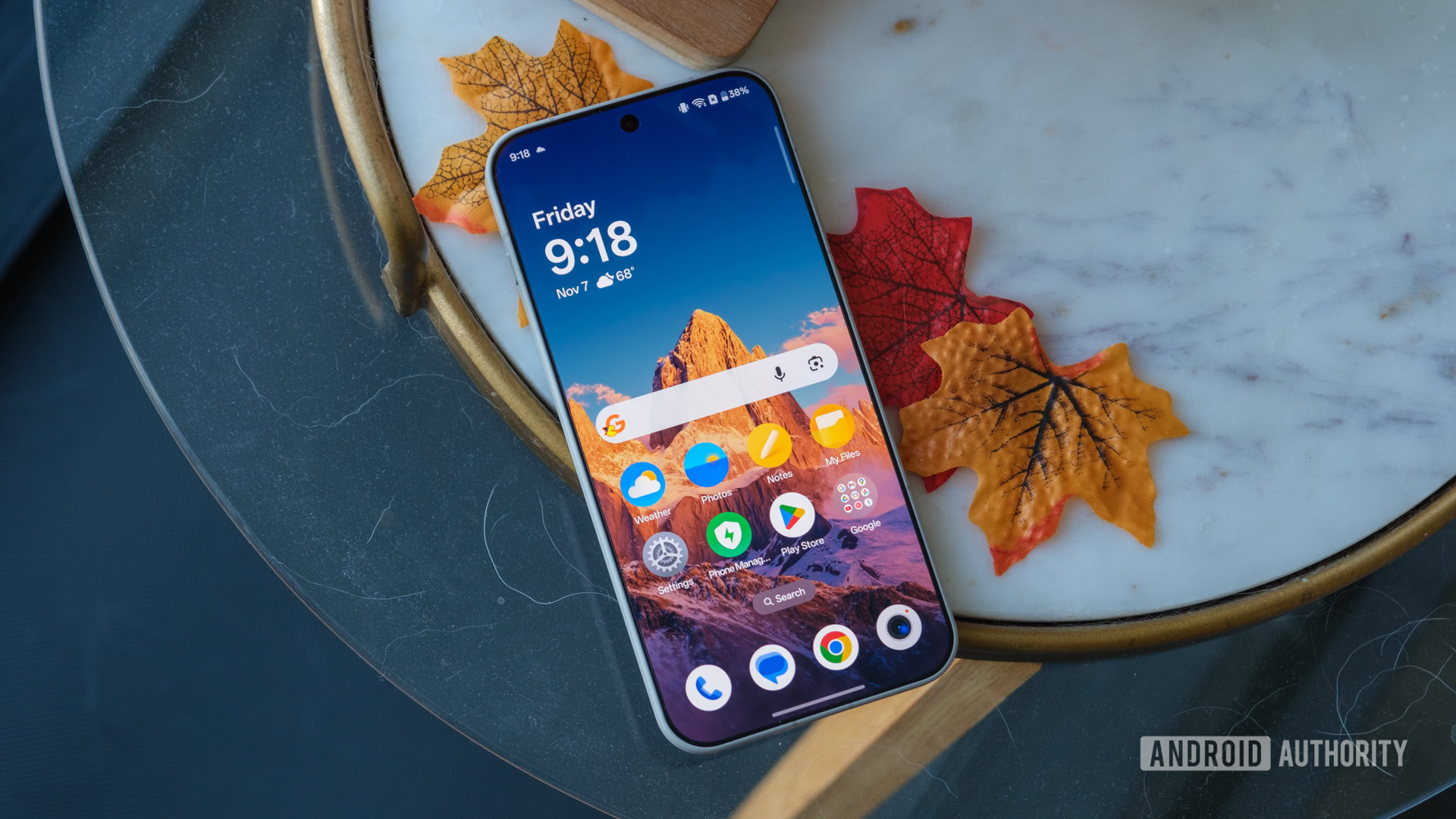
*Ryan Haines / Android Authority*
OnePlus has been having a tough few months, with its products seemingly on a downward trend and with rumors around [the company being shut down](https://www.androidauthority.com/oneplus-shutdown-rumors-3651589/) entirely in favor of OPPO (a rumor OP expectedly dismissed). But it seems like OnePlus wants to make a last‑ditch effort at survival — one that may make it look a lot desperate given how it’s playing with its own identity.
OnePlus has launched a mid‑ranger in China that aims to be a gaming phone without fully embracing a gaming persona. In parallel, the rumor mill around its upcoming flagship — [the OnePlus 16](https://www.androidauthority.com/oneplus-16-camera-performance-leak-3648311/) — is rife, indicating some interesting choices … the kind that smells of deep desperation.
### Would you notice the difference between 120 Hz and 240 Hz on a phone?
*112 votes*Trying Too Hard to Be Noticed
[Image: OnePlus 15R gaming on a 120 fps display]
Photo credit: Tushar Mehta / Android Authority
Back in the day, when 60 Hz was still the norm and 120 Hz only appeared on flagships, the jump felt like a huge upgrade—one that most users could actually notice. As we climb the refresh‑rate ladder, the visual difference starts to diminish. Going from 90 Hz to 120 Hz isn’t as dramatic as moving from 60 Hz to a higher rate.
I’ve not heard a single complaint from anyone who already has a 120 Hz phone about lacking enough hertz. Still, dedicated gaming phones are already pushing the limit with 144 Hz and 165 Hz displays, which already feels overkill. Yet OnePlus decided that still wasn’t enough and is set to launch its next flagship with a 240 Hz display. That number clearly isn’t for the benefit of real‑world users—it’s there just to make the spec sheet look cooler.
There are only a handful of Android games today that can hit 120 fps, while most titles settle for a respectable 60 fps. Those niche games are already hitting the current 120 Hz ceiling and can’t make use of any extra hertz. Even if games tried to push past that frame rate, the impact on thermal performance and battery life would be severe, making it impractical to run such games on a mobile phone without active cooling.
OnePlus is simply trying to solve a problem that doesn’t even exist.
References
Not Every Big Upgrade Is Bad
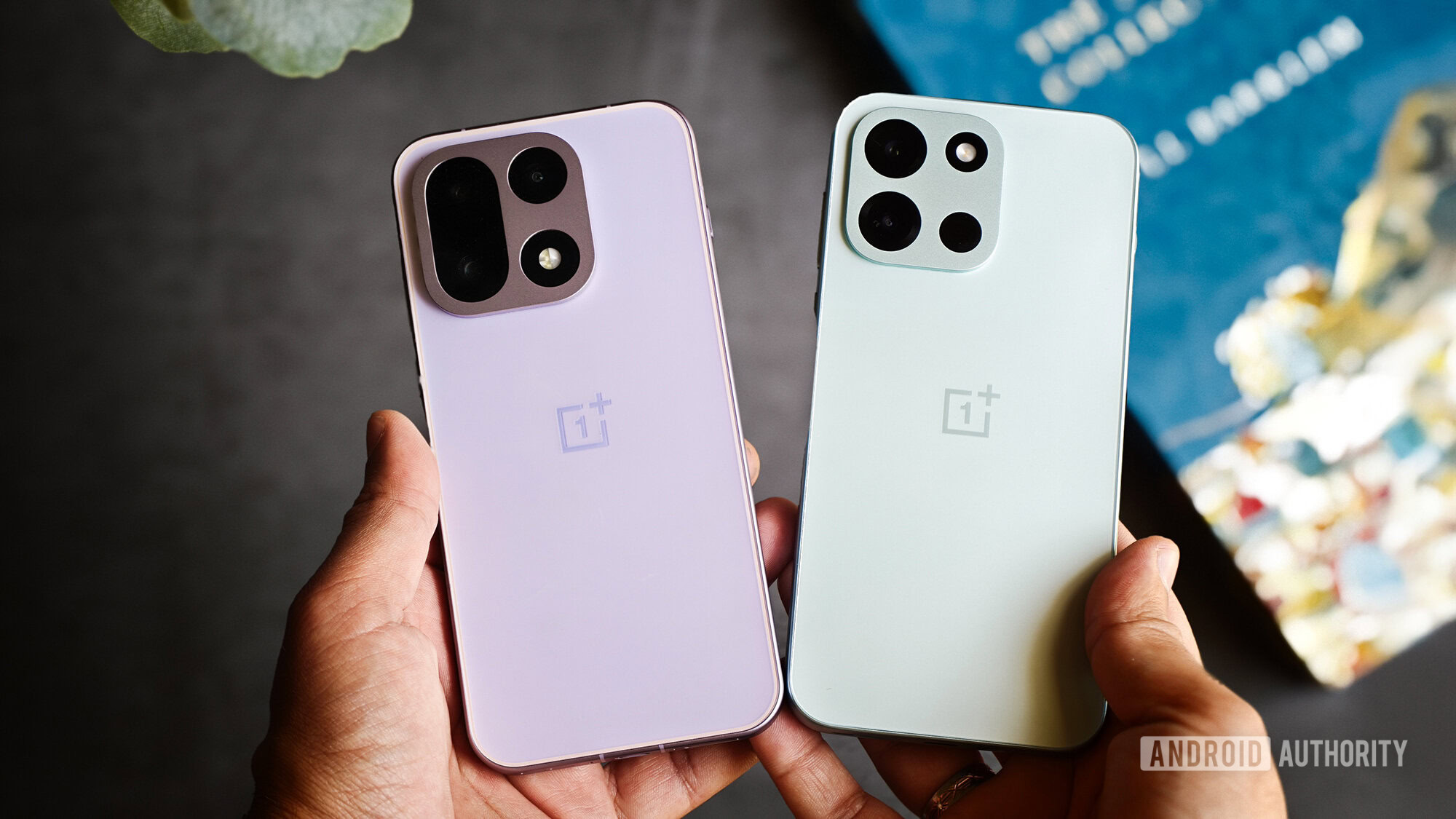
OnePlus seems to be embracing the “go big or go home” philosophy, but there’s a silver lining.
Among the rumors, the upcoming OnePlus 16 is expected to out‑shine the OnePlus 15 with a massive 9,000 mAh battery. That’s a dream for anyone tired of lugging around power banks or charging every morning. A larger battery is welcome as long as it doesn’t make the phone overly heavy or thick.
OnePlus’s reputation for super‑fast charging could make this feasible. Current 4,000–5,000 mAh batteries charge in roughly 30–40 minutes using the brand’s 100 W (or higher) chargers. If a 9,000 mAh battery can last two days with just an hour of plug‑in time, that would be a clear win.
Camera Innovation
Another intriguing rumor is the camera setup. While Samsung equips the Galaxy S26 Ultra with a 200 MP primary sensor, OnePlus is said to use a similarly high‑resolution sensor for its periscope telephoto lens. If true, this could dramatically improve detail when zooming beyond the optical limit, making the telephoto camera far more useful.
Despite these promising additions, it still feels like OnePlus is pushing extremes mainly to stand out.
Does OnePlus know what it wants to be?
[Image: OnePlus 15 with iOS‑like quick settings]
Ryan Haines / Android Authority
Whatever the OnePlus 16 turns out to be based on these leaks, it surely doesn’t feel like a balanced product. OnePlus is pushing every single aspect of the phone to its limits—to a point where it has gone from being thoughtful to feeling like a collection of headline features. That’s not a good image to project for a flagship smartphone; a brand that is trying too hard to impress reeks of desperation.
Back in the day, you would pick up a OnePlus phone for top‑notch performance and a software experience that found a balance between the simplicity of a Pixel and the feature‑filled nature of Samsung, while everything else was just good enough. But OnePlus broke that image long ago. Right now, it’s trying to chase too many things at once just to get your attention.
Trying to get ahead in the spec race has pushed OnePlus to flirt with gaming phones (see Android Authority article). Clearly, the OnePlus 16 isn’t going to be a gaming phone, so who is it trying to cater to with its super‑high refresh‑rate screen that has no real‑world implications compared to literally any other phone on the market?
For as long as I can remember, the tech community has slammed OnePlus for offering passable cameras rather than going full throttle. Even its parent company’s flagships have proper flagship‑class image performance, but OnePlus has always fallen short.
Instead of addressing such feedback (hopefully the OnePlus 16 makes up for it), the shift to a spec sheet that earns OnePlus bragging rights shows why it is falling behind in this smartphone race. From the looks of it, I doubt anything will change this year.
Thank you for being part of our community. Please read our Comment Policy before posting.