
Your next Galaxy Watch update could save you from a nasty fall
Source: Android Authority
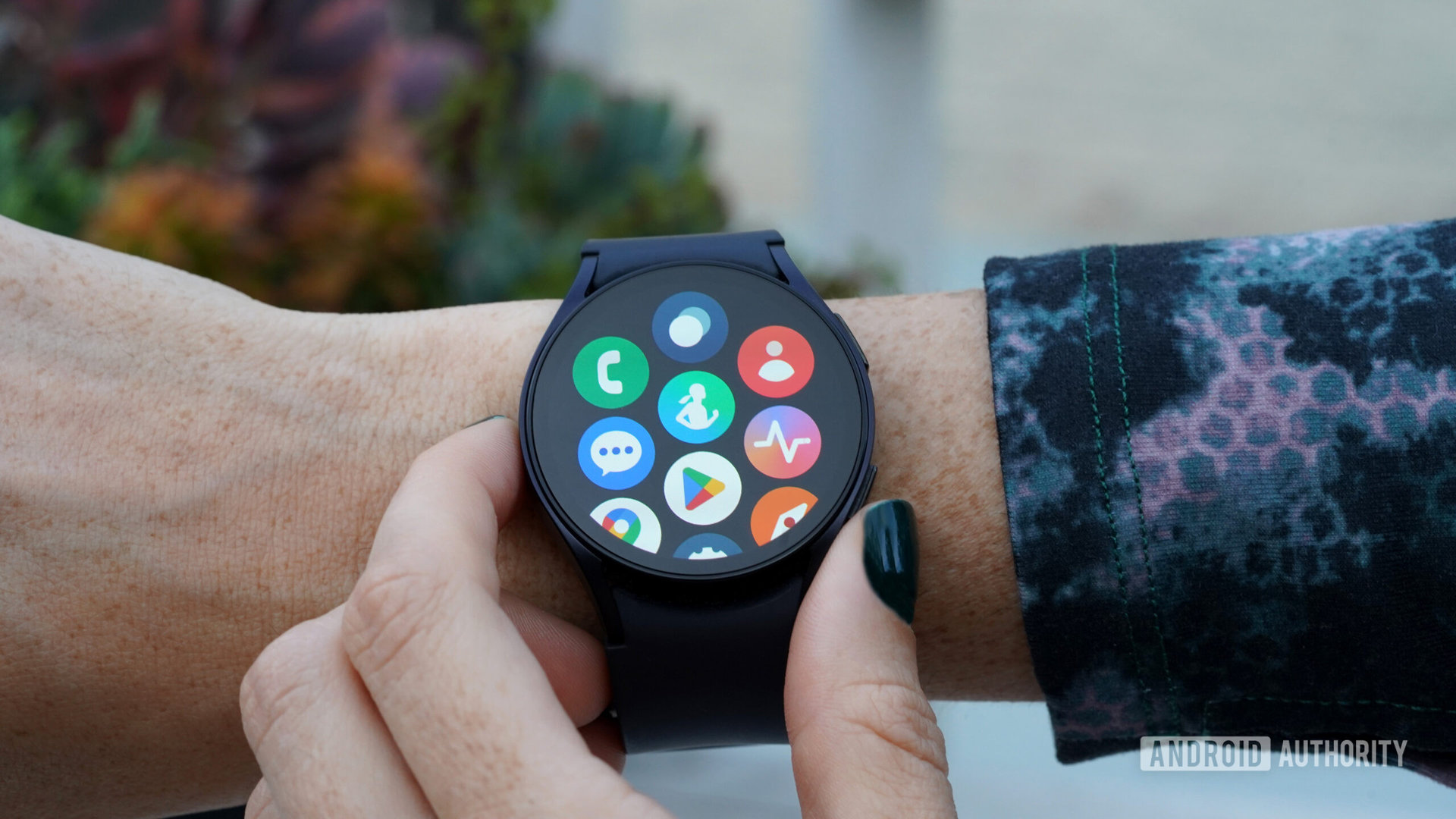
Kaitlyn Cimino / Android Authority
TL;DR
- A Samsung‑commissioned study suggests the Galaxy Watch 6 can predict fainting episodes up to five minutes before they happen.
- The study focused on vasovagal syncope (VVS), a common condition caused by sudden drops in heart rate and blood pressure.
- Researchers used the Galaxy Watch 6’s PPG sensor and AI analysis to detect warning signs before users fainted.
Background
Samsung wants your smartwatch to do more than count steps and buzz with notifications. Its latest research suggests the Galaxy Watch could eventually warn users before they faint.
In a new clinical study, Samsung reports that the Galaxy Watch 6 could predict vasovagal syncope (VVS)—a common fainting episode—up to five minutes before it happens. The company partnered with Chung‑Ang University Gwangmyeong Hospital in South Korea, and the early results are promising.
What is VVS?
Vasovagal syncope is a type of fainting caused by a sudden drop in heart rate and blood pressure, often triggered by stress, pain, exhaustion, or prolonged standing. The blackout itself is usually brief, but the subsequent fall can lead to fractures, concussions, or worse.
Study Design
- Participants: 132 patients with symptoms related to fainting.
- Device: Galaxy Watch 6 using its photoplethysmography (PPG) sensor (also used for heart‑rate tracking).
- Method: The PPG sensor monitored heart‑rate variability; an AI model analyzed the data for patterns that precede fainting.
Results
The findings, published in European Heart Journal – Digital Health, show:
- Prediction accuracy: 84.6%
- Clinical sensitivity: 90% (correctly identified most real cases before they occurred)
Availability
The fainting‑prediction feature is still under research and is not available for download yet. Samsung has not indicated whether it will arrive via a software update or only on future Galaxy Watch models.
Outlook
Samsung plans to collaborate with additional medical institutions and expand its focus on preventive care. However, regulatory approval and further clinical testing are required before the feature can reach consumers.