
USB-C fast charging is still a nightmare, but this phone finally gets it right
Source: Android Authority
Robert Triggs / Android Authority
Overview
My thoughts on the state of USB‑C and gadget fast charging are well documented by now; an interoperability nightmare that causes not just a headache for users but has also spun a web for manufacturers that few have successfully untangled. The problem is multifaceted: the overabundance of charging protocols (both proprietary and standardized universal) and battery‑health considerations make fast charging incredibly difficult to implement properly.
After years of trying to match chargers and cables with gadgets, I’d given up on anyone building a project that can work with all this legacy mess. At least that’s what I thought until I spent a couple of weeks getting to know the new Xiaomi 17 Ultra.
Do you still find USB‑C fast charging a headache?
27 votes
Support All the Things
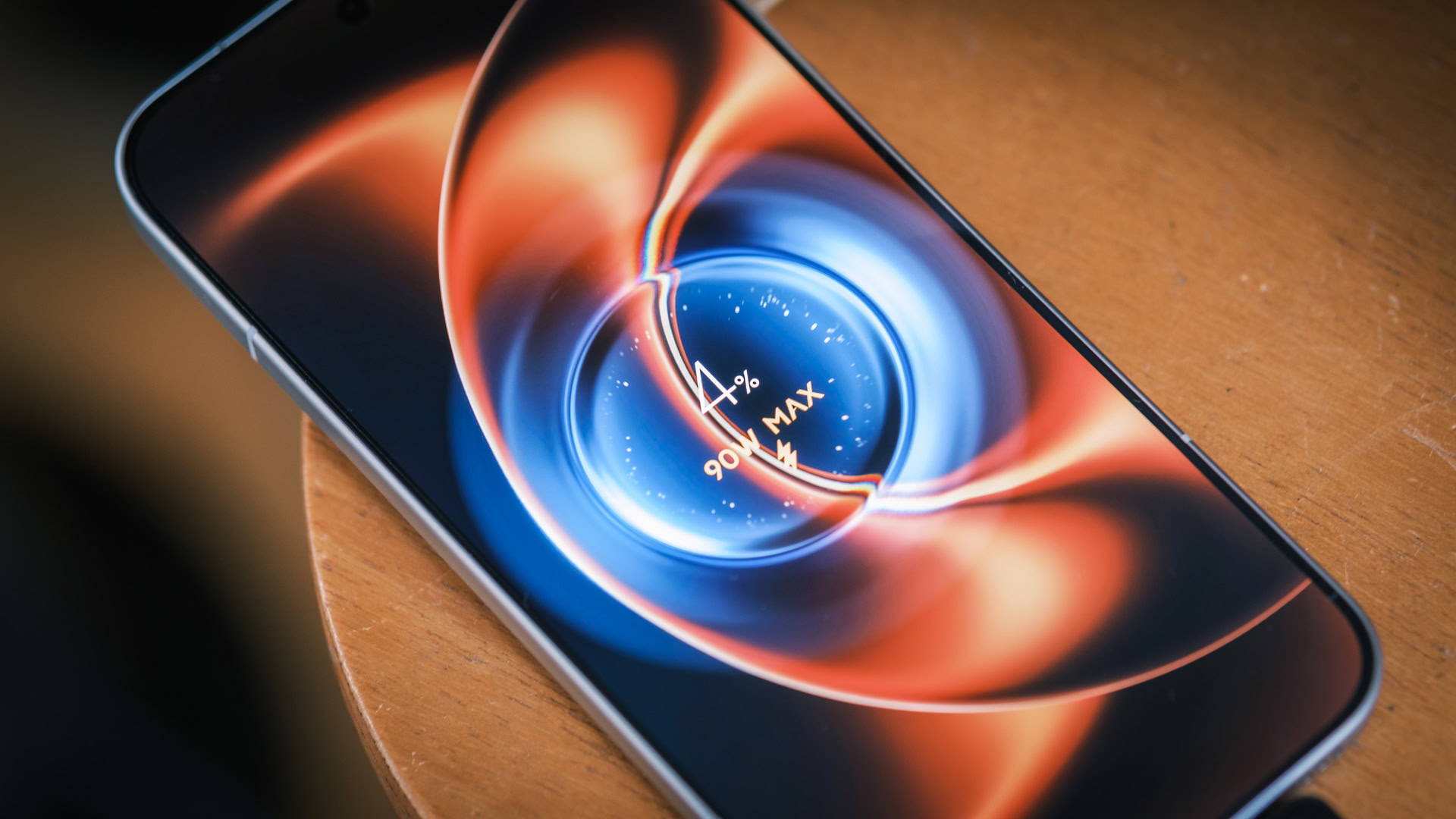
Xiaomi has been doing fast‑charging well for a while now. Its proprietary HyperCharge plugs are blazingly fast and temperature‑aware, but the phones still ship with an outdated USB‑A cable. The good news is that the high‑end models support universal standards, including China’s Unified Fast Charging Standard (UFCS) and the broader USB Power Delivery (USB‑PD) specifications.
- Up to 90 W on last year’s Ultra flagship
- Up to 100 W on the latest flagship I’ve tested
This means the Xiaomi 17 Ultra can be charged as quickly as possible with a wide array of plugs—something many Western brands still struggle to achieve. While Apple, Google, and Samsung (the new Galaxy S26 Ultra only just introduced 60 W support) often rely on a single fast‑charging protocol, Xiaomi’s approach puts them to shame, especially given its massive 6 000 mAh Si‑C battery.
What Really Impresses Me
The baseline fast‑charging performance is now the bare minimum, but Xiaomi’s software integration makes the whole ecosystem feel polished.
| Feature | What It Does | Where It Appears |
|---|---|---|
| Boost Mode | Prompted when battery ≈ 30 % | — |
| 80 % Charge Limit | Limits charging to 80 % by default to extend battery lifespan. | Settings → Battery → Charge Limit |
These prompts give users clear, actionable choices rather than hiding the logic behind opaque firmware.
How Power Delivery Varies
- Screen off & idle – up to 70 W (full power of a 100 W‑capable charger)
- Screen on, light use – 15 W–50 W
- Screen on, heavy use (gaming, 4K video) – drops to ≈20 W or lower, even in Top Speed mode
Reducing power while the phone is in use may feel counter‑intuitive, but it protects the battery. Fast charging generates heat, and intensive tasks generate heat as well. Keeping the temperature moderate prolongs overall battery health.
Bottom Line
If you need a rapid top‑up without sacrificing long‑term battery health, Xiaomi’s approach hits the sweet spot:
- Multiple charging standards (UFCS, USB‑PD) for universal compatibility
- User‑friendly prompts that guide you toward the safest, fastest option for the current situation
- Smart throttling that balances speed, heat, and longevity
Combined with the 80 % charge‑limit feature, the Xiaomi 17 Ultra offers a fast‑charging experience that feels both powerful and responsible.
References
- USB Power Delivery – What You Need to Know (Android Authority)
- Silicon‑Carbon Batteries Explained (Android Authority)
- Boost‑Charging Features (Android Authority)
- 80 % Battery Charging Limit (Android Authority)
Superb but Not Quite Perfect
Robert Triggs / Android Authority
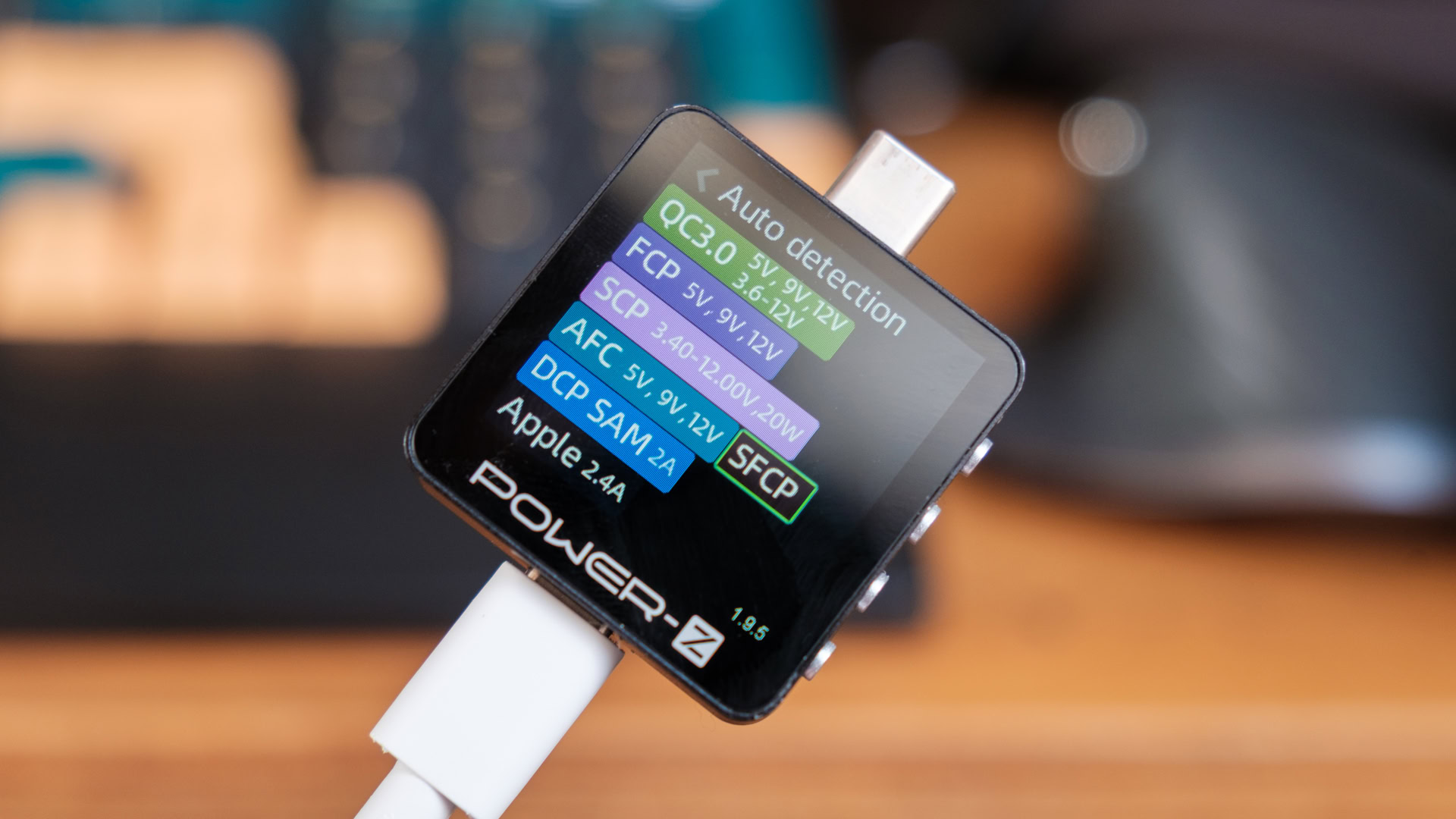
All that said, I don’t think Xiaomi’s fast‑charging software implementation is quite perfect. For starters, the phone displays a nice “90W Quick Charging” prompt when plugged into one of its own chargers, but it doesn’t show the same prompt for equivalently fast USB‑PD sources.
It isn’t a huge deal—perhaps there’s something in Xiaomi’s proprietary protocol that makes this easier to implement. Still, a clear indication would help remove the opacity of fast‑charging protocols and let users know for sure that their plug is optimally fast‑charging their handset.
Unfortunately, the lock‑screen shows a misleading “Mi Turbo Charge” graphic when I power the phone via a 100 W USB‑PD PPS charger, which makes no sense whatsoever.
Missing Feature: Bypass Charging
Xiaomi is also missing a key feature that I really like on other phones: bypass charging. This is handy for keeping temperatures under control during gaming sessions, for example. While Xiaomi’s temperature‑ and use‑aware approach helps, bypassing the battery entirely is simply better in some situations.
Bypass charging is the one key feature Xiaomi’s flagships are still missing.
Overall Verdict
The Xiaomi 17 Ultra supports top‑tier fast‑charging protocols, offers a wealth of battery‑health features, and provides ample customization options to tailor the setup to your liking. It isn’t perfect, but it is arguably the closest any manufacturer has come to making fast charging effortless while protecting long‑term battery health.
Finally, someone has cracked the USB‑C fast‑charging formula. Now we’ll just have to wait another decade for everyone else to catch up. I’m looking at you, Apple and Google.
Xiaomi 17 Ultra
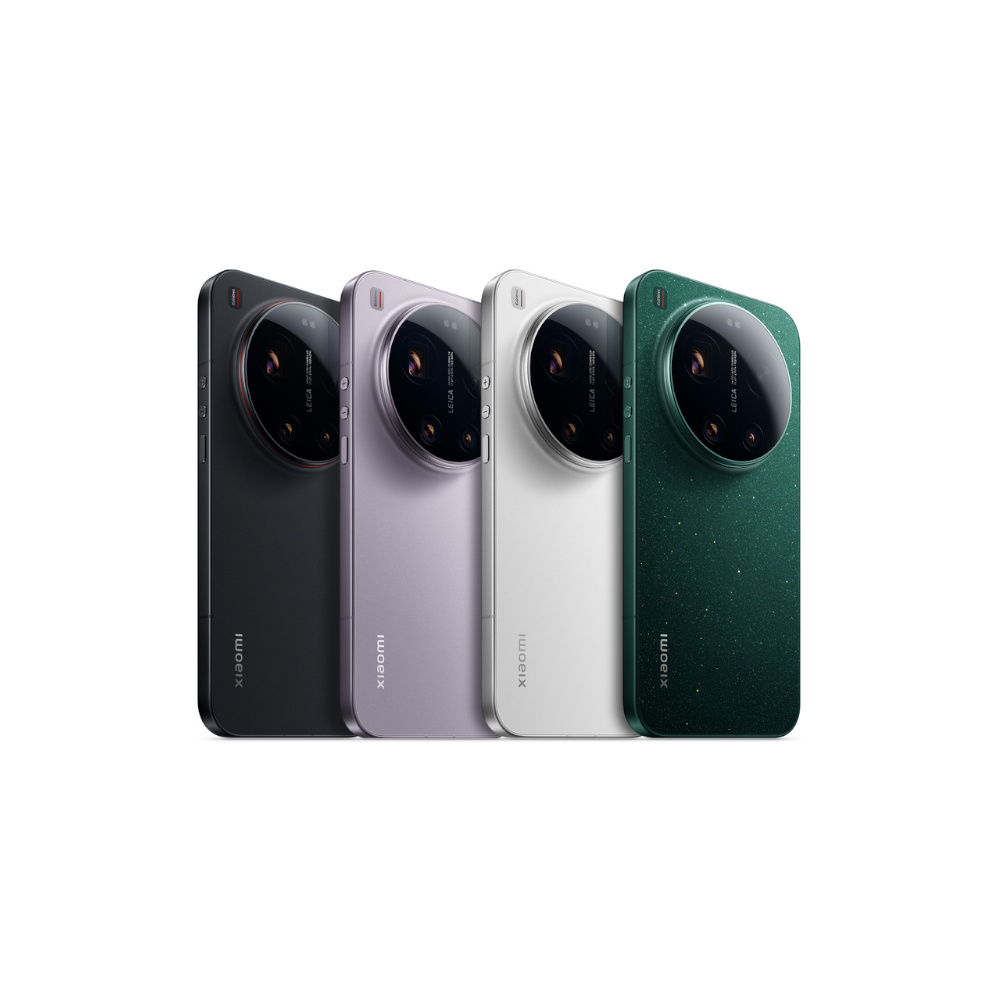
- 200 MP Leica camera
- 6,800 mAh battery
- Super‑fast universal charging
MSRP: €1,499.00
Highlights
- 200 MP Leica camera – thinnest Xiaomi Ultra model to date.
- First Ultra model with a flat display, continuing the design language of the Xiaomi 17 series.
- Triple‑camera system:
- 14 mm ultra‑wide lens
- 23 mm Leica 1‑inch ultra‑dynamic camera
- Leica 200 MP 75‑100 mm optical‑zoom telephoto camera
Follow
Thank you for being part of our community. Please read our Comment Policy before posting.