
Unpowered SSD data retention test shows promising results after six years — results show no data corruption on USB sticks, challenging conventional wisdom
Published: (March 10, 2026 at 07:00 AM EDT)
2 min read
Source: Tom's Hardware
Source: Tom’s Hardware
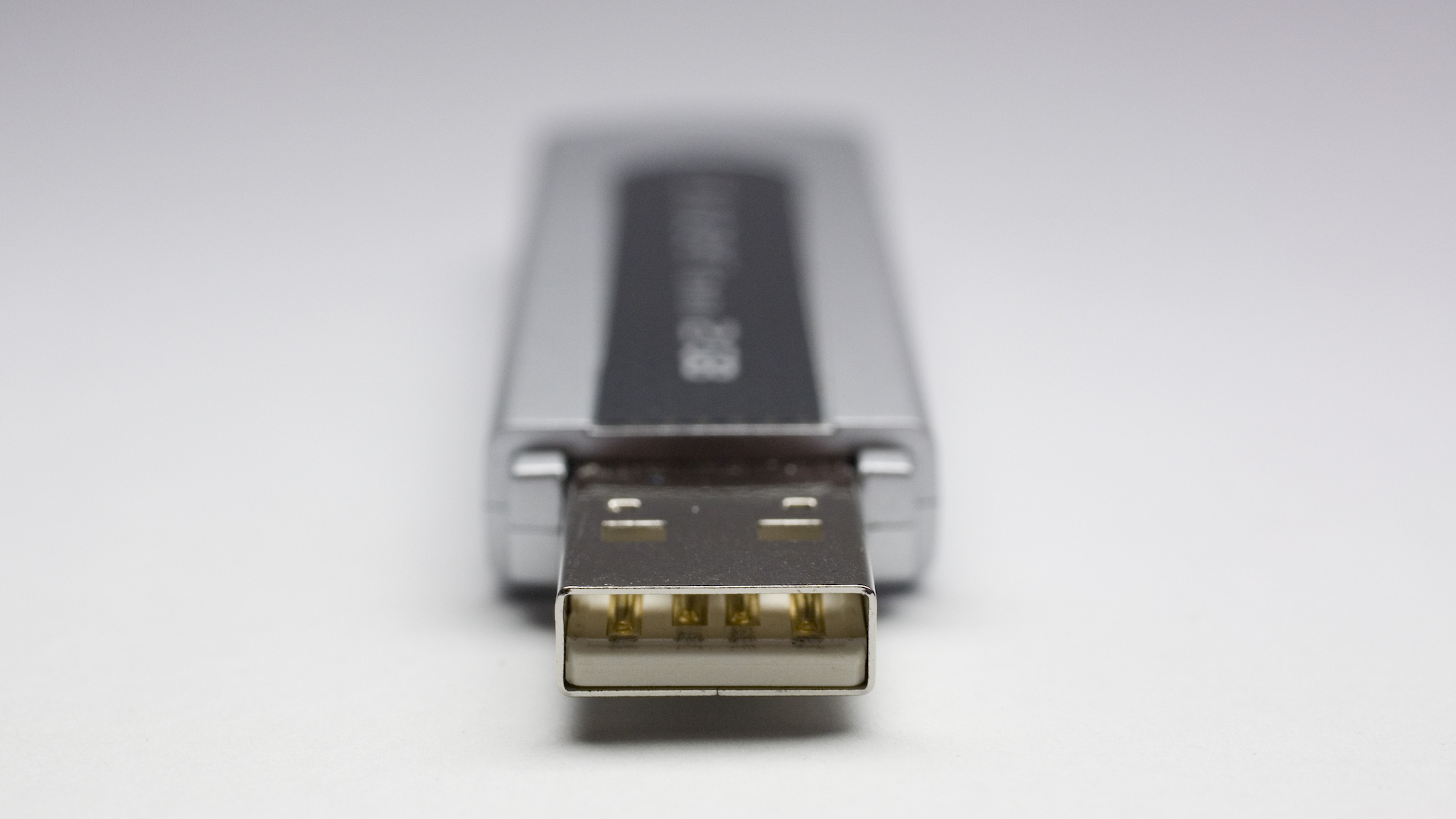
Image credit: Getty Images
Background
Conventional IT wisdom treats USB flash drives as disposable units, warning against storing important data on them. The concern centers on the expected short lifespan of the NAND flash, especially when unpowered. An enterprising tech blogger and Redditor conducted a small‑scale, six‑year unpowered data retention test, and the results are surprisingly positive.
Vance’s Six‑Year Test (Test #5)
- Methodology: Each year, Vance adds one more drive to the test, rewrites any drive that remains error‑free, and checks for bit flips.
- Results: After five drives have been tested over six years, zero bit rot has been observed. All drives remain readable, challenging the belief that USB sticks become unreadable after six months to a year.
Other Small‑Scale Tests
Carnildo’s One‑Year Study
Redditor Carnildo tested three lightly‑used drives (one PNY and two Lexar) purchased on discount:
| Drive | Storage Condition | Outcome |
|---|---|---|
| Attic (sub‑freezing) | Unpowered, extreme cold | Data corruption (most failures) |
| Standard‑temperature room | Unpowered | Data corruption |
| Periodically read | Active | Least failures |
All three drives showed corruption after one year, suggesting that drive quality and storage environment are critical factors.
Industry Standards and Limitations
- Flash memory manufacturers are expected to follow the JEDEC JESD47 standard, which includes a sustained test simulating 10 years at 55 °C.
- This standard is not binding for consumer USB sticks; compliance is typically enforced only through vendor contracts, QVLs, or industry‑specific requirements (e.g., automotive, aerospace).
- Consequently, off‑brand consumer USB drives may not adhere to these longevity guarantees.
Recommendations
- Prefer higher‑spec drives from reputable vendors.
- Store drives at room temperature with controlled humidity.
- Maintain regular backups to mitigate potential data loss.