
The RAMpocalypse has bought Microsoft valuable time in the fight against SteamOS
Source: Ars Technica
Op‑ed: Valve has made a dent in Windows’ gaming share, but can it keep going?

Valve’s Steam Deck OLED – Credit: Valve
Valve and its SteamOS operating system have finally done what a host of companies (including Apple) have been trying to achieve for decades: chip away at Windows’ dominance in PC gaming.
Windows still reigns… for now
According to Valve’s own Steam Hardware Survey, over 92 % of PCs run some version of Windows. The trend, however, shows a slow but steady decline:
| Years ago | Windows share |
|---|---|
| 5 years | just over 96 % |
| 10 years | just under 96 % |
| 15 years | 96 % |
| Earlier | Steam existed only on Windows |
Linux is gaining ground
Between April 2021 and now, Linux’s share has risen from under 1 % to over 5 %. Most of that is not native SteamOS (Valve does not break it out separately), but Arch Linux—the base distribution for SteamOS—accounts for about 0.33 % of the total.
Valve’s strategy of making Windows games run on Linux via Proton, rather than forcing developers to ship Linux‑native ports, has produced organic, word‑of‑mouth growth—something the company failed to achieve in the early 2010s when it tried to take on Windows directly.
Recent developments
- SteamOS expansion – Official support was added for several third‑party handhelds and other hardware, and some manufacturers began shipping devices with SteamOS pre‑installed.
- Game compatibility – Developers are now testing titles not only for Steam Deck compatibility but also for broader SteamOS compatibility.
- Steam Machine – Late 2025 Valve announced a new “Steam Machine” (a console‑like device) aimed at competing with traditional game consoles and low‑end gaming PCs.
Microsoft’s response (or lack thereof)
- Handhelds – Windows handhelds have largely relied on clunky third‑party software to mimic the Deck’s optimized interface.
- Competing UI – Microsoft’s first attempt at a competing interface arrived years after the Steam Deck and only on two Xbox‑branded systems.
- OS transition – The rollout of Windows 11, with higher system requirements and a reputation for being less user‑friendly, coincided with Valve’s push, making it harder for Microsoft to retain users who might be looking for alternatives.
Valve’s progress shows that a non‑Windows ecosystem can slowly grow, but whether it can sustain momentum against Microsoft’s entrenched position remains to be seen.
Evaporated Steam

Credit: Valve
Valve’s Steam Machine was poised to expand on the Steam Deck’s success, but both projects are now in limbo.
Supply‑chain crunch
Valve’s attempt to compete directly with Microsoft and traditional PC hardware makers has hit a wall. Since late 2025, the market for PC components has been strained by:
- Massive cost increases for memory, storage chips, and GPUs.
- Supply shortages driven by the generative‑AI boom, which is gobbling up silicon capacity.
- Tariff pressures that were already pushing prices upward before they became illegal under the Trump administration.
These factors hit low‑margin hardware hardest. Game‑console price cuts—already a thing of the past thanks to the death of Moore’s Law—have turned into price hikes. Companies such as Raspberry Pi and Framework have raised prices multiple times this year, and even Apple is feeling the squeeze despite its buying power.
For Valve, the crunch has:
- Indefinitely delayed the Steam Machine (the “first half of the year” launch window is still being used as a placeholder).
- Rendered the four‑year‑old Steam Deck largely unavailable; third‑party handheld makers have also delayed or raised prices, cutting off a key source of new SteamOS users.
Even if the Steam Machine eventually launches, it may not be priced competitively enough to attract a broad audience.
Hardware updates
The only new Valve hardware shipped this year is the Steam Controller, which the company openly admits “doesn’t have RAM in it.”
Credit: Andrew Cunningham
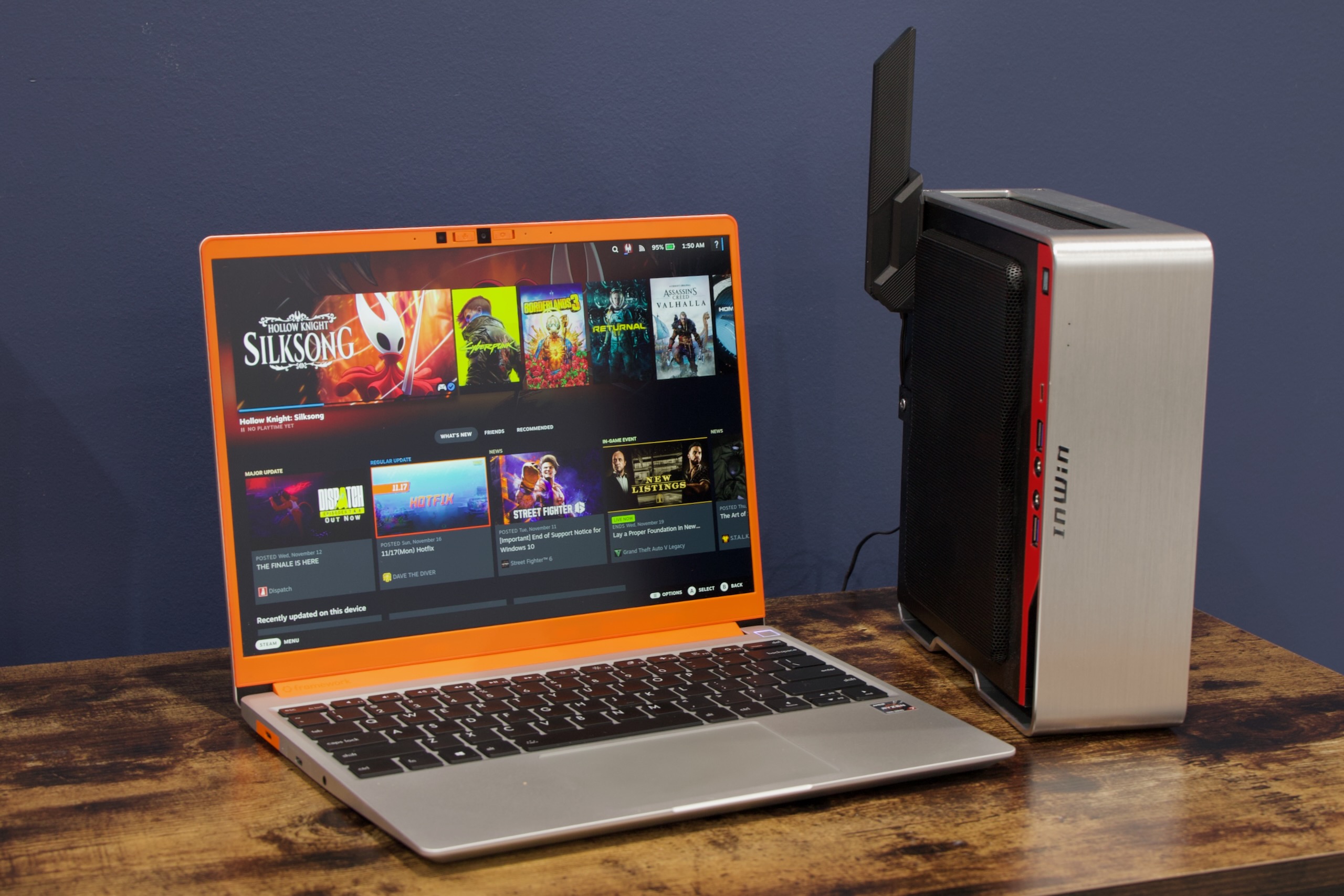
Linux can run on virtually any platform, and Valve’s work on SteamOS continues, but the hardware push is temporarily stalled.
Software progress
Valve’s software side has not stopped. In the past month the company reported significant performance improvements on GPUs with 8 GB (or less) of memory, keeping the SteamOS ecosystem viable even as hardware shipments lag.
Outlook
Valve appears to have been ready to execute a hardware‑first strategy that the current supply‑chain disruption has upended. This gives Microsoft a brief window to recover at a potentially vulnerable moment for Valve’s Linux‑gaming ambitions.
Microsoft Is Trying (or Trying to Try)
There’s plenty to grumble about in modern Windows: ads, a long list of pre‑installed apps, updates that occasionally break things, and the all‑encompassing generative‑AI push. The complaints have gotten bad enough that Microsoft has publicly committed to making things better (Ars Technica, April 2026), though it remains to be seen whether it accomplishes this goal.
According to reporting from Windows Central, this turnaround effort is known internally as “Windows K2.” (source). It isn’t a replacement for Windows 11, but a wide‑reaching initiative to improve reliability, performance, and security while shifting the development pace toward stability and software quality rather than rapid feature releases.
Gaming Performance
Gaming performance is a specific priority. Tests from Ars Technica and other outlets have shown a small but consistent lead for SteamOS when running the same games at the same settings, especially on systems like the Steam Deck that rely on integrated graphics and shared memory. Microsoft is reportedly using SteamOS’s performance as a target and is planning “foundational changes” to close the gap between Windows and Valve’s OS.
Other Focus Areas
- Reduce the frequency of Windows Update restarts.
- Improve core features such as File Explorer and the Start menu.
- Remove ads.
- Lower memory usage and improve performance on low‑end systems.
Collectively, this effort to polish Windows could make Windows 10 upgraders happier and reduce the curiosity among enthusiasts about switching to Linux.
Xbox Mode
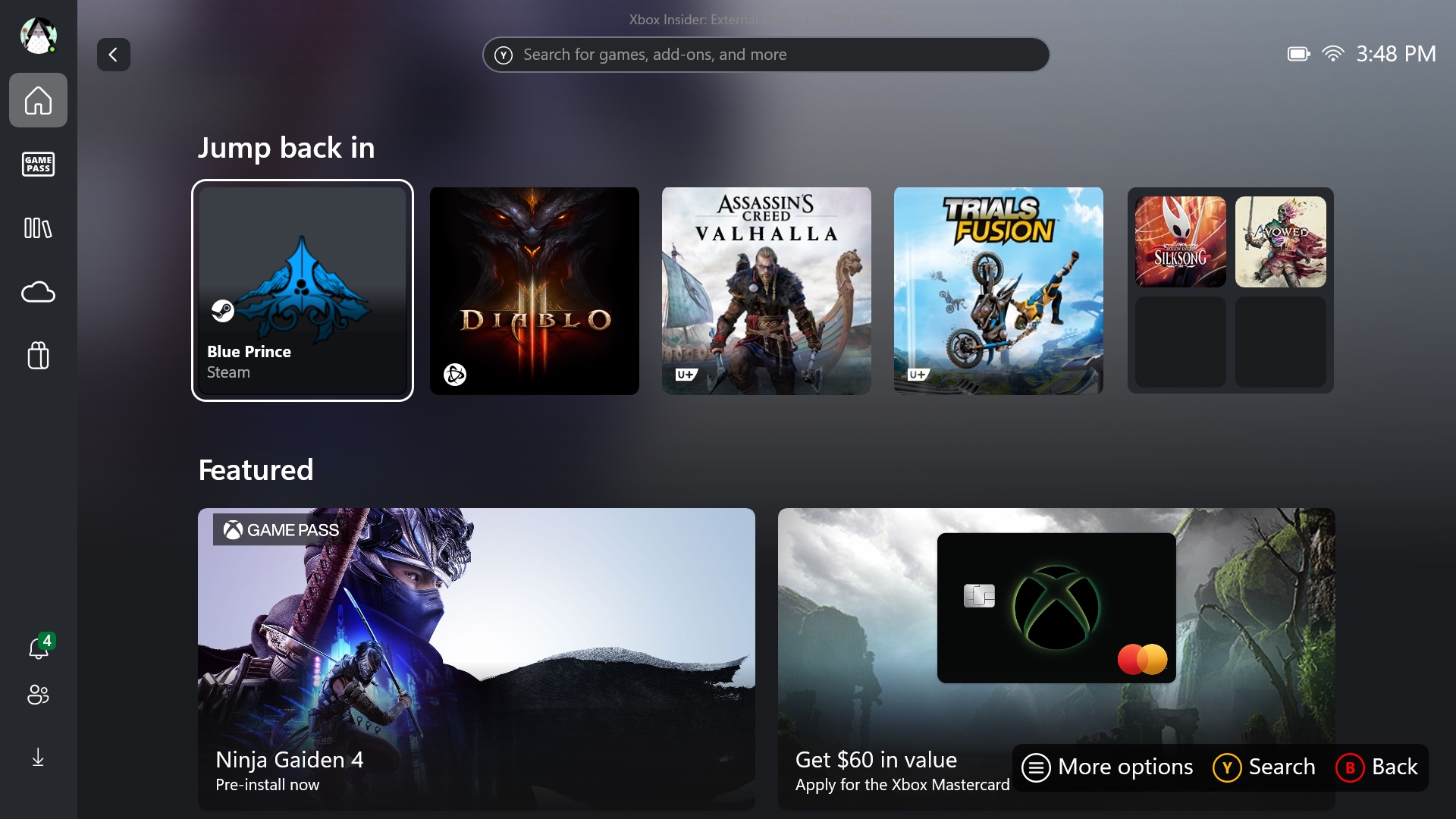
Microsoft’s streamlined, controller‑centric Xbox Mode is also beginning to roll out to all Windows 11 users, rather than being confined to Asus’s Xbox‑branded handhelds. In Xbox Mode the standard Windows UI doesn’t load at all, freeing memory and other system resources for games. This is a definite plus at a time when the best advice for upgrading your PC is “don’t.”
Our experience with the initial release of Xbox Mode was that it felt less streamlined than SteamOS; games often needed additional configuration at first launch, and the interface wasn’t always good at listing all installed games across multiple stores. After the public release, we’ll need to revisit it to see which (if any) of these problems have been fixed.
Why It Matters
Valve’s current hardware troubles give Microsoft more time to get things right—time that could have been wasted during the early years of the Steam Deck. If you’re thinking of switching to Linux but are used to Windows, an improved version of Windows removes one reason to switch. Conversely, if you can’t afford a Steam Deck or Steam Machine, you might spend that money on a Windows‑based machine instead.
Keep an eye on the Steam Hardware Survey stats over the next couple of years. Windows may continue to dominate (over 90 % of gaming PCs) thanks to familiarity and Microsoft’s improvements, or Valve’s work on Proton and related technologies could dent Microsoft’s PC‑gaming monopoly.
Credit: Kyle Orland
About the Author

Andrew Cunningham is a Senior Technology Reporter at Ars Technica, focusing on consumer tech, computer hardware, and in‑depth OS reviews. He lives in Philadelphia and co‑hosts the weekly book podcast Overdue.