
The jury in the OpenAI case has ruled against Elon Musk
Source: Engadget
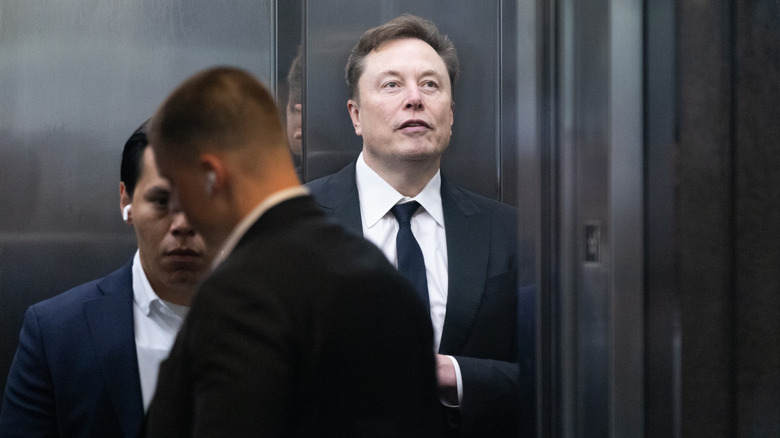
Benjamin Fanjoy/Getty Images
Background
Musk filed his lawsuit in 2024, accusing Sam Altman and Greg Brockman of “stealing a charity” after his departure from OpenAI in 2018. The complaint alleged breach of charitable trust and unjust enrichment.
Jury Verdict
After three weeks of testimony, a jury ruled against Elon Musk, finding that the statute of limitations had already passed when he sued the two executives. Although the jury served only an advisory role, Judge Yvonne Gonzalez Rogers adopted the jury’s finding and dismissed Musk’s claims as untimely. Musk may appeal, but the judge indicated she would dismiss an appeal “on the spot.”
Testimony Highlights
- Altman’s credibility – Musk’s lawyers referenced a recent New Yorker profile and pressed Altman on his honesty. When Altman answered “I believe so,” lead counsel Steven Molo pressed for a definitive “yes.”
- Allegations from former staff – Altman was asked about statements from former OpenAI employees, including former CTO Mira Murati, who described Altman as saying “one thing to one person and completely the opposite to another.” Altman claimed he had not seen their testimony.
- Musk’s demeanor – Musk described the questions as “designed to trick me.” He was absent from the courtroom during closing arguments despite an order to remain available for testimony. OpenAI counsel William Savitt noted Musk’s absence, remarking that Musk was “in parts unknown,” later revealed to be a diplomatic trip to China with former President Trump.
Trial Developments
Musk sought to reverse OpenAI’s conversion to a for‑profit entity and to remove Altman and Brockman from leadership positions. Early in the case, there was speculation that negotiations with the California and Delaware Attorneys General might give Musk a chance to achieve his goals. However, Judge Rogers expressed strong hesitation to overturn the public‑official‑driven conversion. When Musk requested a preliminary injunction to stop the conversion, the judge described the request as “extraordinary and rarely granted” (see the filing here).