
The ‘Father of Sega Hardware' has passed away, designed all of Sega's consoles — Hideki Sato worked his way up from engineer to become Sega’s acting president, spending 33 years at the company
Source: Tom’s Hardware
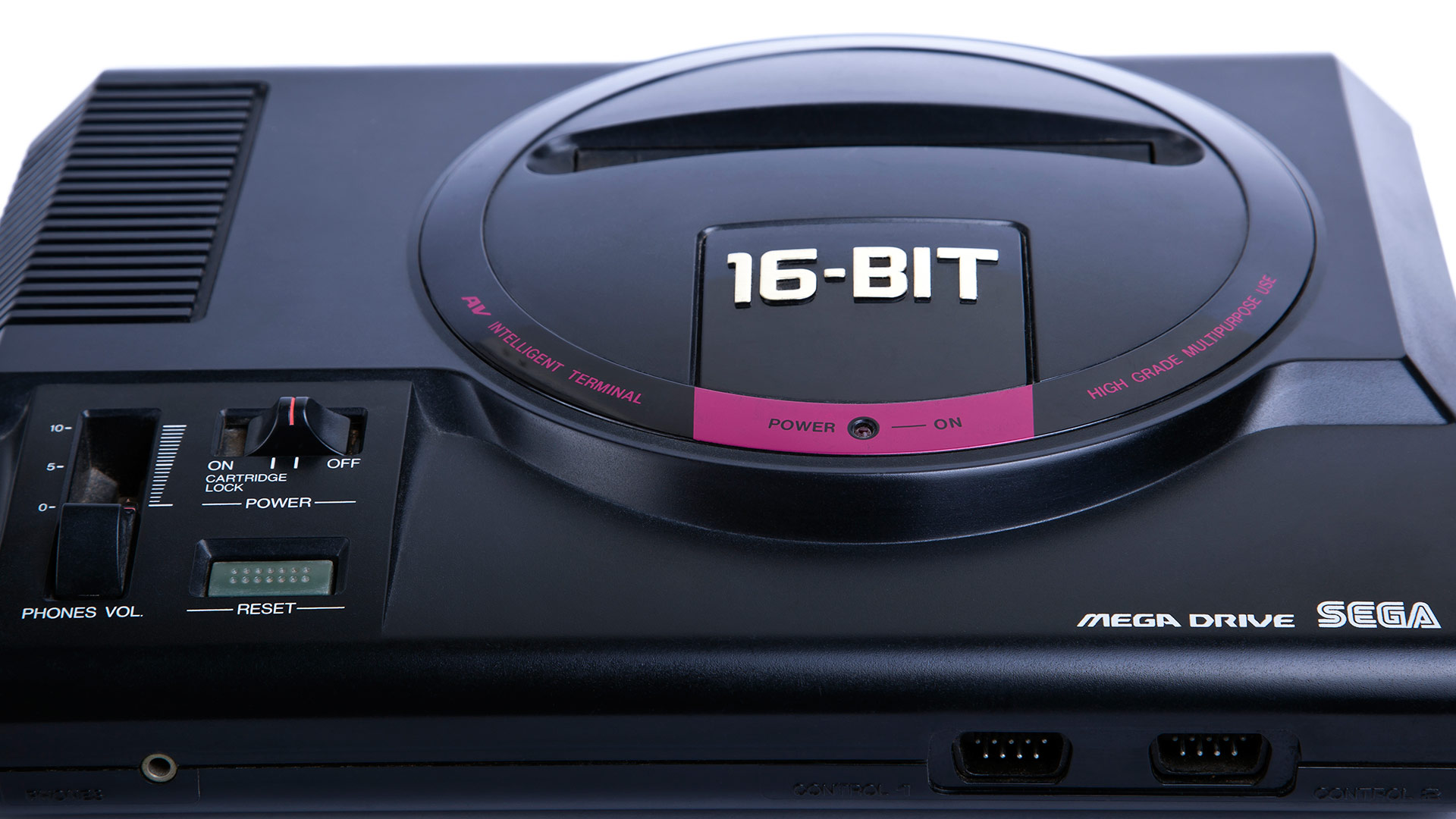
Image credit: Getty Images
Early Career
Hideki Sato began his career at Sega in 1971 as an engineer, just a few years before the company released its first electronic coin‑op arcade machine, the Pong‑Tron (1973).
Console Development
SG‑1000 and Master System
Sato and his R&D team developed Sega’s first home console, the SG‑1000, which launched in 1983 alongside Nintendo’s Famicom (NES in the West). The team released several revisions of the SG‑1000 before introducing the Sega Master System in 1986.
Genesis / Mega Drive
The most famous Sega console, the 16‑bit Genesis (known as Mega Drive outside North America), was powered by an MC68000 processor and launched in 1988/89, sparking the 16‑bit wars before Nintendo’s SNES arrived in 1990/91.
Game Gear and Add‑ons
In 1990 Sega released its first handheld, the Game Gear. Throughout the early 1990s a variety of add‑ons extended the life of the Genesis platform.
Saturn and Dreamcast
Sato’s team later defined the 32‑bit era with the Sega Saturn, competing against Sony’s PlayStation. The Dreamcast, Sega’s final console, launched later; by this time Sato’s role had shifted to executive oversight rather than direct hardware design.
Executive Roles and Later Life
Sato continued to rise within Sega, serving as acting president from 2002 to 2003. He later held chairman and advisory positions before leaving the company in 2008. After Sega, he became a professor at Tokyo University of Science, lecturing on engineering and gaming hardware history.
Death
Hideki Sato passed away on Friday, February 13, at the age of 75. His death came just weeks after the passing of Sega co‑founder David Rosen.