
Student hacked Taiwan high-speed rail to trigger emergency brakes
Published: (May 5, 2026 at 01:34 PM EDT)
2 min read
Source: Bleeping Computer
Source: Bleeping Computer
Incident Overview
A 23‑year‑old university student in Taiwan was arrested for interfering with the TETRA communication system used by the country’s high‑speed railway network (THSR). On 5 April, the student halted four trains for 48 minutes by transmitting a high‑priority “General Alarm” signal, which triggered the emergency braking procedures.
Technical Details
- Target system: TETRA (Trans‑European Trunked Radio) communication network that has been in use for 19 years on the THSR line.
- Method: The student used software‑defined radio (SDR) equipment and handheld radios to impersonate legitimate beacons. He first intercepted and decoded TETRA radio parameters, then programmed them into the handheld devices.
- Accomplice: A 21‑year‑old provided critical THSR parameters that enabled the attack.
- Vulnerability: The system’s parameters had not been rotated for nearly two decades, allowing the hacker to bypass seven verification layers.
The police later determined that the signal originated from a radio beacon that had not been assigned for duty, suggesting unauthorized cloning.
Investigation Findings
- CCTV footage and TETRA network logs led investigators to the suspect’s residence.
- Seized items included 11 handheld radios, an SDR, and a laptop.
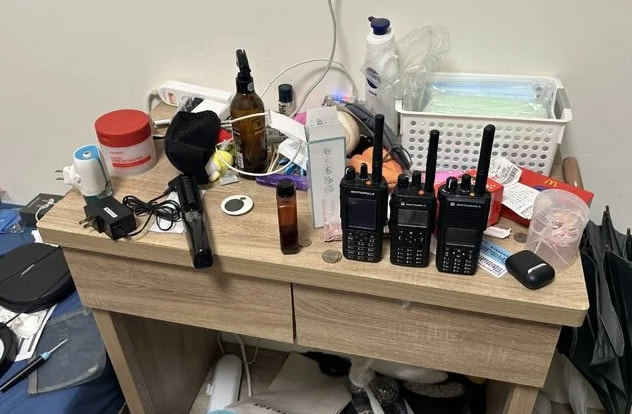
Handheld radios were seized at Lin’s residence
Source: udn.com
Legal Consequences
- The suspect, identified by the surname Lin, was arrested on 28 April.
- He faces charges under Article 184 of the Criminal Law, which carries a maximum sentence of 10 years imprisonment.
- Lin was released on bail of NT$100,000 (≈ US$3,280). His lawyer claims the transmission was accidental, a contention authorities find unconvincing.
Reactions
The incident sparked criticism from Taiwanese politicians, who accused responsible bodies of negligence.