
Productivity apps failed me when I needed them most
Source: Android Authority
Dhruv Bhutani / Android Authority
I’ve joked before that in the war between me and productivity, I keep winning. But behind the humor is genuine anxiety about not getting enough done daily and failing to achieve my goals.
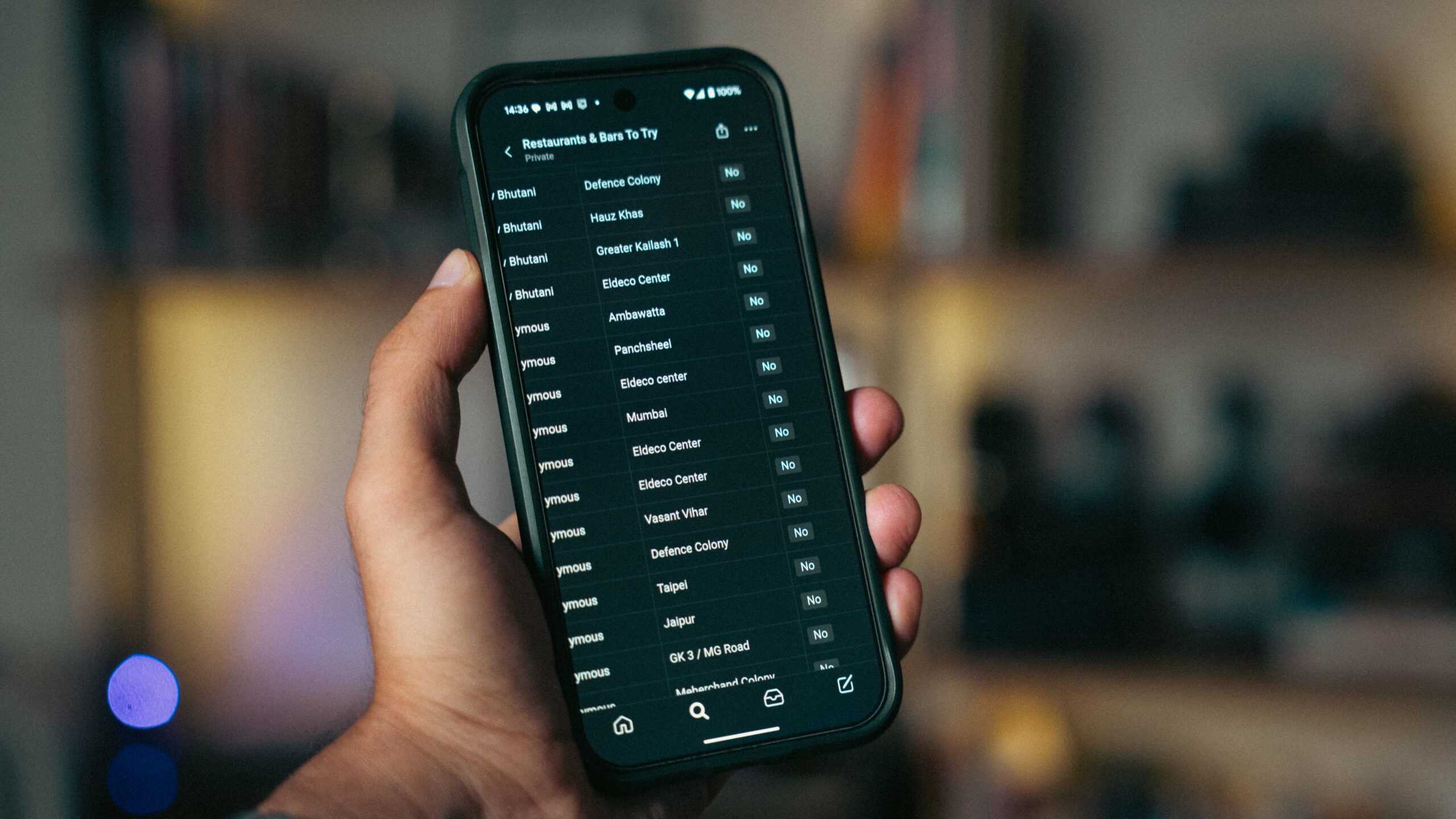
Over the past few years, I’ve increasingly turned to productivity apps to help me manage tasks, deadlines, and the things I often forget. However, my experience has left me largely skeptical of the results they promise.
Which of these issues do you run into when using productivity apps?
5 votes
My productivity feels like it has been under siege
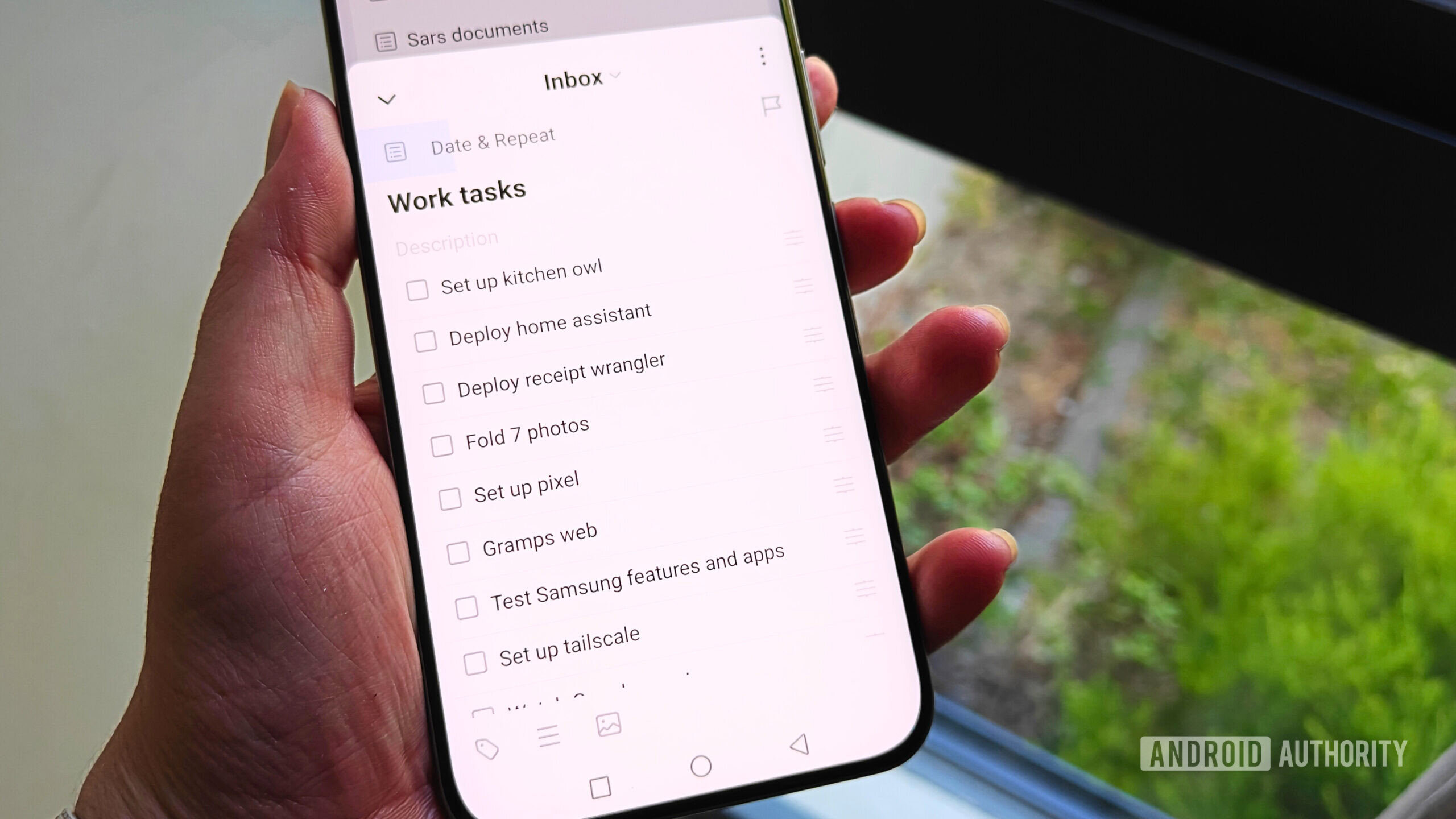
Photo credit: Megan Ellis / Android Authority
My life has been defined by periods of high achievement, but also extreme burnout. While I usually managed to rally in the past, this last year has been particularly challenging.
- Health setbacks – My chronic migraines worsened, making it harder to finish tasks.
- Medication side‑effects – The drugs I take for migraines and fibromyalgia increased my executive dysfunction and fatigue.
- ADHD – My attention and memory have always been affected, but I’ve started forgetting simple things more often.
Because of these health challenges I struggled to keep track of tasks, even as my budget shrank and I had to handle more responsibilities on my own.
- Multiple workspaces – Working for several sites meant juggling many tasks across different platforms.
- Household duties – With a tighter budget I took on all chores, garden work, and meal preparation despite my condition.
- Errands – Grocery deliveries and other services became unaffordable, so I had to run more errands myself.
I needed to do more than ever before while having less energy and feeling constantly burned out. Consequently, I tried to enhance my productivity systems to keep track of things and help me manage.
Productivity apps made promises, but didn’t deliver
Edgar Cervantes / Android Authority
The system I had been using for years involved TickTick, Asana, Google Keep, and Google Calendar. Under increased strain, though, this system started to falter.
- TickTick grouped my overdue tasks together in a daily notification, which led to me avoiding the app entirely.
- Google Keep’s simplistic categorization made it difficult to find the notes and checklists I actually needed.
- Asana sent multiple emails and summaries per day, making it hard to see which tasks were due that day.
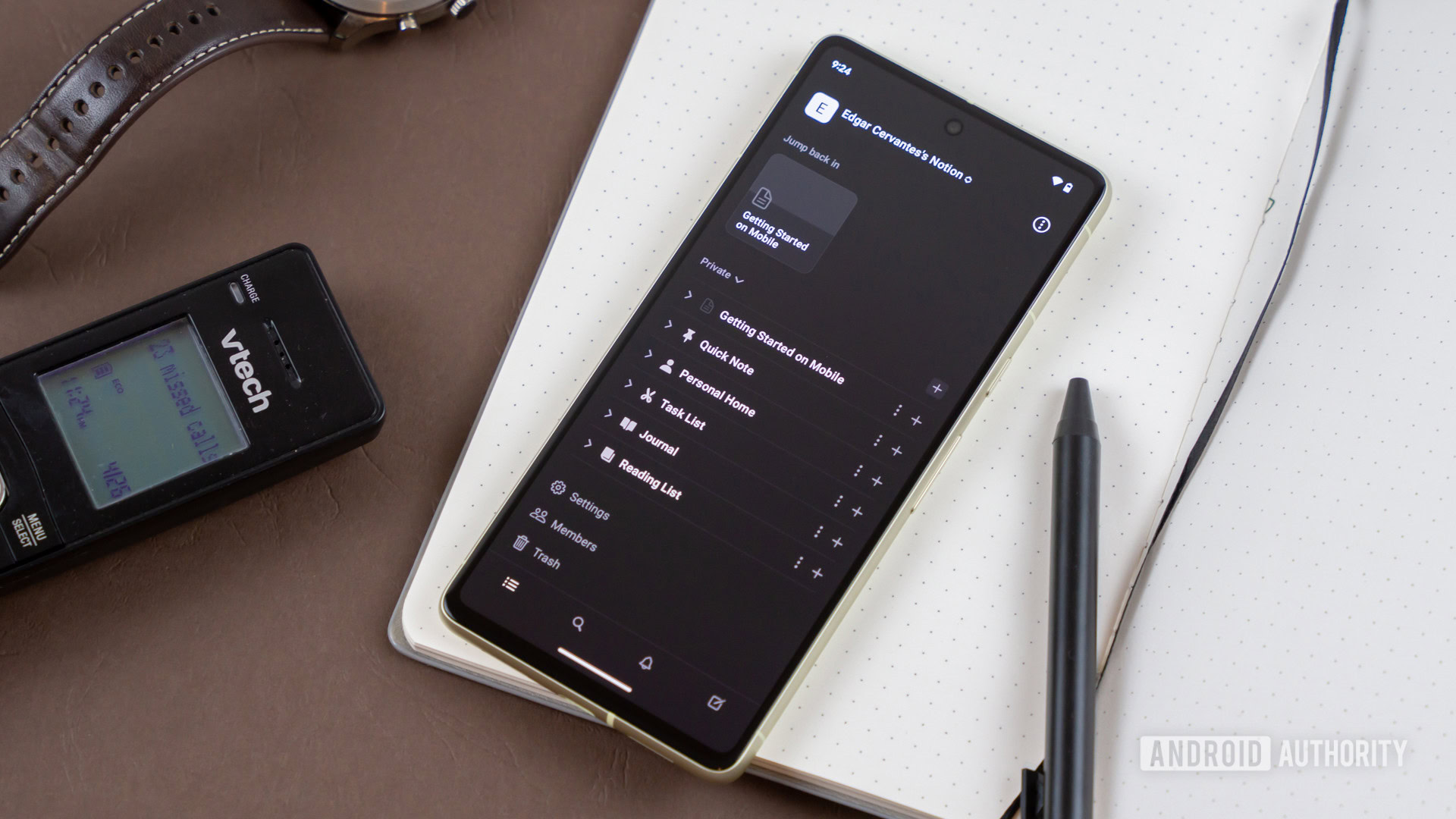
I started to look at other apps that could possibly help me, including Notion and Obsidian. Notion promised zero busywork and an infinitely flexible workspace, but I found myself feeling constantly overwhelmed. Learning the platform’s various features felt like a second job. I set up some useful templates, but my use fell away because of mobile‑responsiveness issues. Even when Notion finally rolled out an offline mode, it wasn’t automatic or intuitive.
With Obsidian, plugins are core to unlocking more functionality, but many community‑developed plugins are no longer maintained, resulting in broken features. Obsidian’s local‑first approach also didn’t work well for me, and a free syncing solution like Syncthing quickly led to version conflicts.
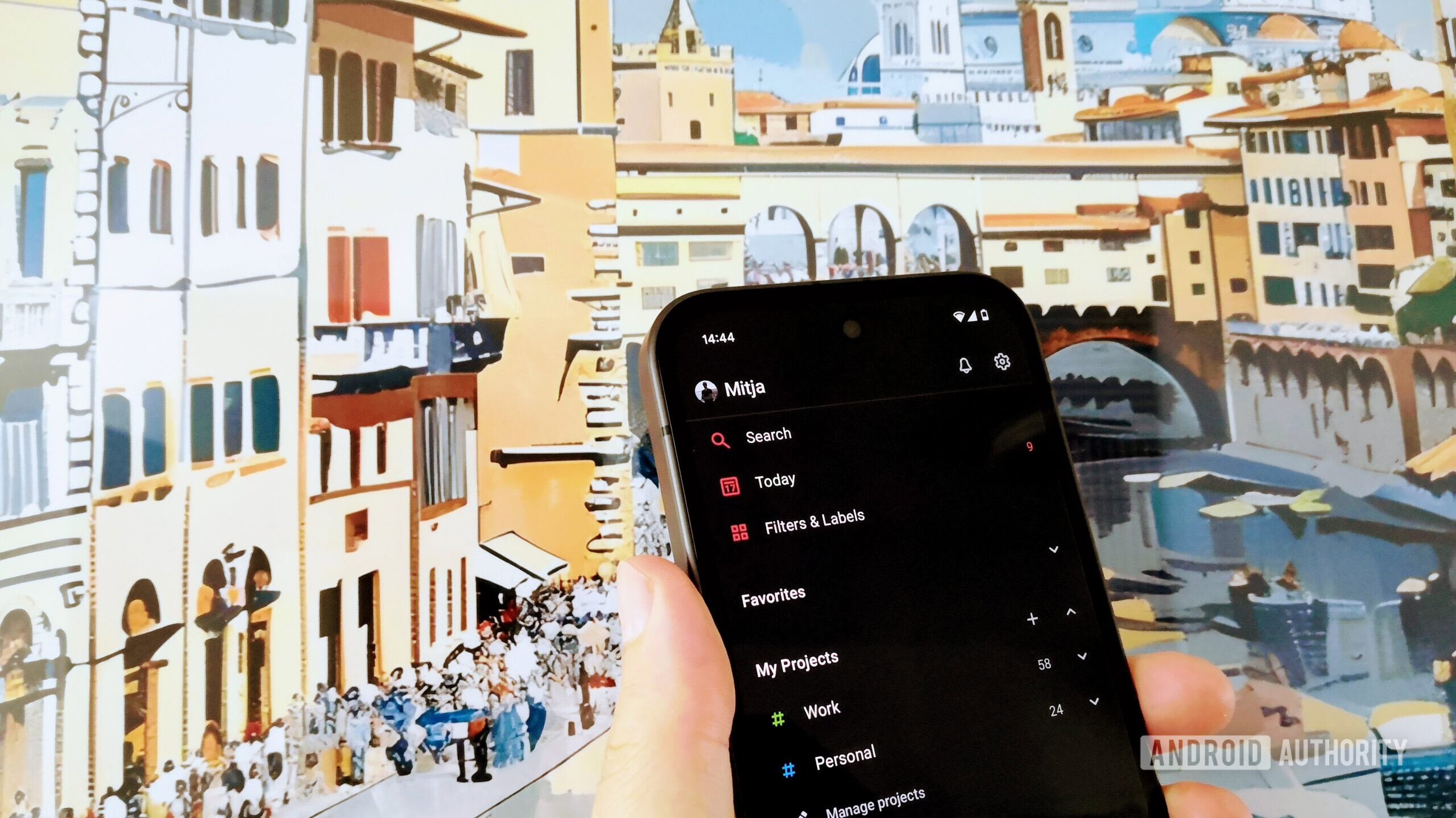
I enjoyed Amplenote’s Task Score system, but disliked its inflexible workflow. Todoist had interesting features, but its most useful settings were buried, and its incessant emails eventually put me off the service completely.
Mitja Rutnik / Android Authority
Social media algorithms quickly honed in on my dilemma. Targeted advertising latched onto my adult ADHD diagnosis (likely from my Reddit and YouTube history). I was hopeful that productivity apps aimed at neurodivergent people would work better for me, but most weren’t meaningfully different.
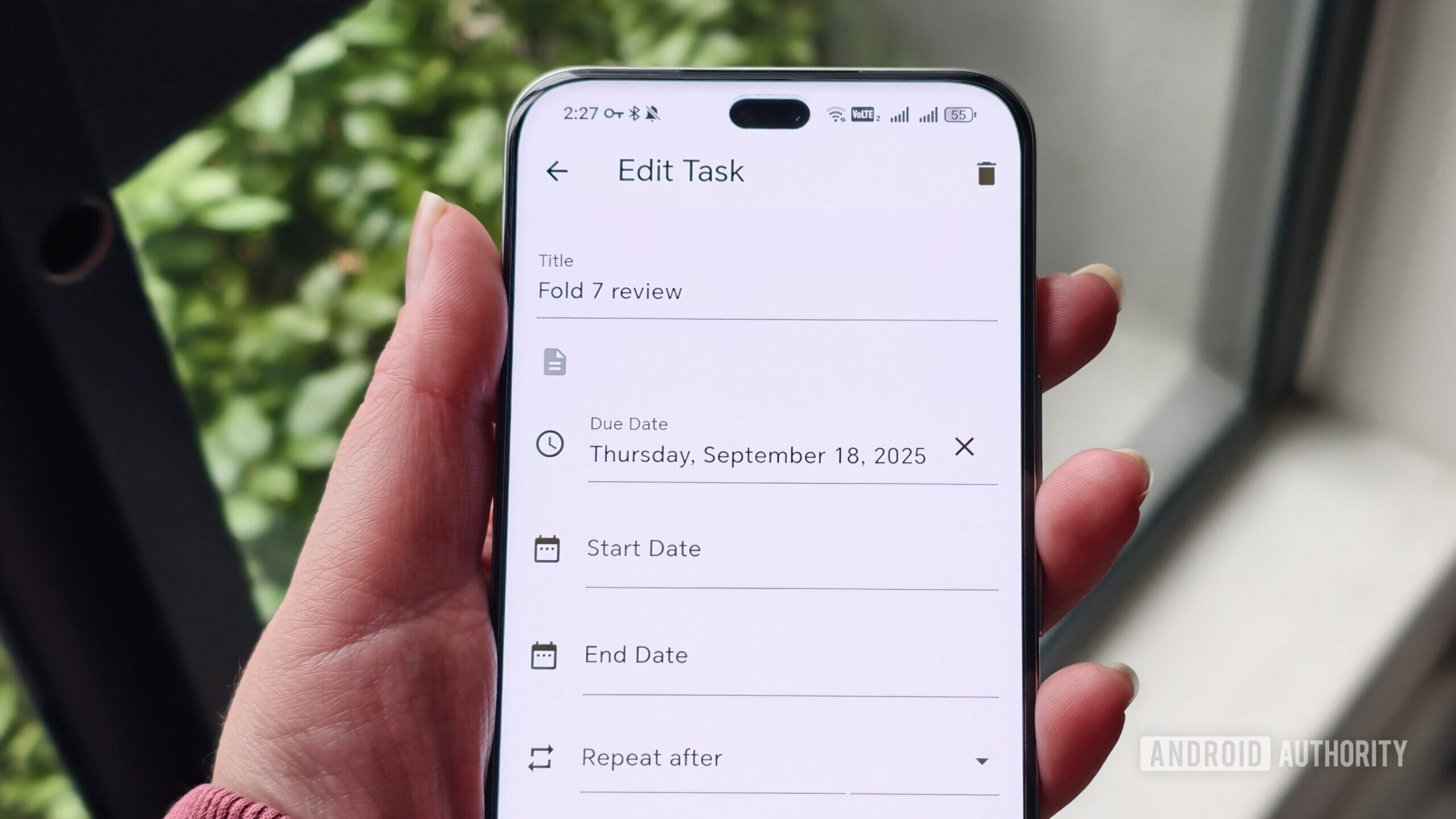
Many “ADHD‑focused” apps are essentially the same as generic task managers, and some even worsen task paralysis. TickTick, for example, has guides aimed at ADHD users and promotes certain features, but its cluttered UI and hidden settings often made me miss useful updates.
Routine‑oriented suggestions and Pomodoro timers are common, yet they can be unrealistic for someone with ADHD or autism. Strict schedules don’t align with the way my brain processes time, and frequent breaks can disrupt hyperfocus. Breaking tasks into smaller chunks helps, but tracking all those sub‑tasks can create overwhelm.
Megan Ellis / Android Authority
A balanced app for executive dysfunction should have an uncluttered UI, optional/customizable notifications, and minimal hidden settings—something I have yet to find.
Some AI tools market themselves as perfect for neurodivergent users. I tried Neurolist, only to discover it’s a premium app masquerading as free. Creating a task for a single article generated 12 AI‑suggested sub‑tasks, turning the process into a time sink.
Fabulous also targets neurodivergent users, advertising terms like “chronic procrastination” and “task paralysis.” Its website claims it will “help you become a better person,” which felt generic. After navigating surveys, entering my email, and enabling notifications, I was met with a paywall and a non‑customizable goal: drinking water, followed by relentless upgrade prompts.
The ADHD‑focused version, Clarify, required a similar onboarding process, buried task‑creation features, and presented ADHD as a “superpower,” an oversimplification I found unhelpful.
That’s when I gave up on looking for a solution that truly understood my needs, but I didn’t give up on finding ways to be more productive.
The Things I Changed That Actually Helped

Megan Ellis / Android Authority
A common trend across the apps I tried was a one‑size‑fits‑all approach. Most “focus” tools boiled down to Pomodoro timers, and planner features were often difficult to use when exhausted. Gamification and surface‑level nods to neurodiversity felt patronising.
What I Realised
- I already understood my own needs, so I needed to trust my instincts rather than force myself into a workflow that didn’t help.
- I started giving myself grace—even if that meant not completing a task on time.
- I let editors know when a submission would be late instead of rushing while unwell.
The first thing I did was practice self‑compassion, which gave me clarity about what I really needed help with.
Practical Changes I Made
-
Split tasks between apps
- Time‑sensitive tasks → TickTick
- General, low‑priority tasks → apps I check occasionally
This kept my urgent list short and reduced overwhelm.
-
Adopted a self‑hosted note‑taking app
- Replaced Google Keep with Jotty Page (more organised UI).
-
Leveraged inbox‑style features
- Super Productivity lets me dump tasks into an inbox without a reminder or date, and set recurring tasks.
- Drawback: I can’t mark tasks as completed retroactively, which sometimes leaves “forgotten” items lingering.
-
Specialised apps for niche reminders
- Subby – bill reminders
- Planta – plant‑watering schedule
-
Used an app that supports past‑date completion
- Donetick lets me complete tasks retroactively and automates scheduling, easing the cognitive load of future chores.
Bigger Takeaways
- Productivity isn’t just willpower. It intersects with health, responsibilities, support systems, mental health, stressors, and finances.
- Some apps make promises they can’t keep; many are genuinely helpful, but the market is noisy.
- Experimentation is fine, but we need honest conversations about how effective these solutions really are.
Current Status
- I still experience migraines that affect my productivity, though new medication has reduced their frequency.
- By ditching the hustle‑and‑grind mentality and practising compassion, I’ve carved out space to discover what truly works for me.
Follow
Thank you for being part of our community. Please read our Comment Policy before posting.