
Norwegian gov't consumer watchdog calls out ‘enshittification’ of video games, connected devices, and others — claims hardware deliberately degraded after purchase
Source: Tom’s Hardware

Image credit: Canon Europe
Overview
On 27 February, Norway’s Forbrukerrådet (the Norwegian Consumer Council) released an 80‑page report titled “Breaking Free: Pathways to a Fair Technological Future.” The report argues that many tech companies systematically degrade hardware and software after purchase to extract additional revenue from locked‑in consumers. The practice is labeled “enshittification.”
The full report is available here.
What is “enshittification”?
Enshittification is described as a three‑stage cycle:
- Attraction – Companies launch a genuinely useful product or service to gain users.
- Degradation – Through software updates or remote commands, functionality is reduced, often to favor business customers or to push paid features.
- Squeezing – Both consumer and business groups are pressured to pay for restored or additional capabilities, maximizing shareholder returns.
Digital products are especially vulnerable because manufacturers can modify them remotely after sale.
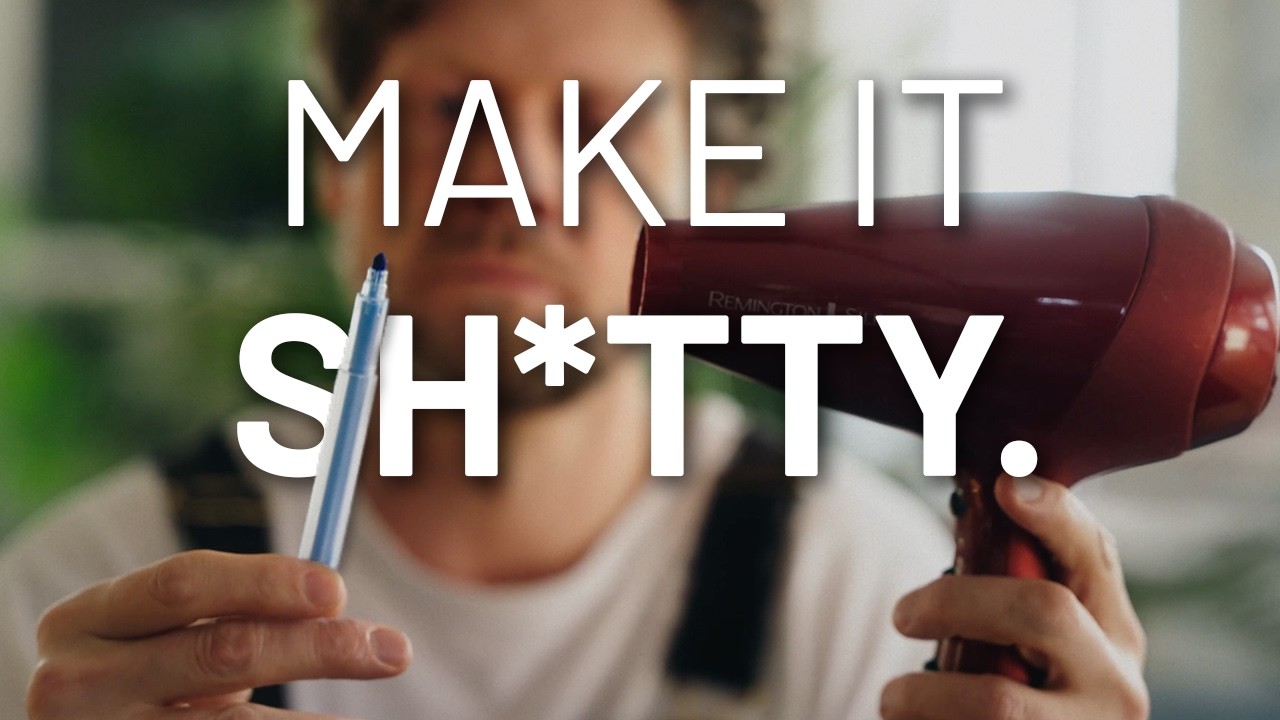
A short video created by the council explains the concept:
Affected Categories
Connected Devices & Appliances
- Printers – Ink‑cartridge ecosystems are restricted, and firmware updates can disable features.
- Smart home devices – Features may be removed or locked behind subscriptions after purchase.
- Washing machines & other appliances – Software updates can render devices inoperable or limit functionality.
Vehicles
- Connected cars – Functions such as remote start, over‑the‑air updates, or performance modes can be gated or removed.
- Tesla’s Full Self‑Driving (FSD) – As of 14 February 2026, FSD is available only via a monthly subscription, ending new sales of the feature.
Video Games
- Freemium titles – Forced ad breaks and in‑game virtual currencies turn once‑off purchases into recurring revenue streams.
- “Stop Killing Games” campaign – Gamers are pushing for legal provisions to prevent publishers from disabling games that consumers have already bought.
Right‑to‑Repair Implications
The EU Right‑to‑Repair Directive, effective 31 July 2026, will require manufacturers to:
- Reduce parts pairing.
- Allow third‑party repairs.
This poses a significant challenge to printer manufacturers and other ecosystems that rely on proprietary consumables and service networks.
Open Letter to EU Policymakers
Alongside the report, Forbrukerrådet and 28 co‑signers—including the Electronic Frontier Foundation, Access Now, and Cory Doctorow—sent an open letter on 27 February urging:
- Stronger enforcement of the Digital Markets Act.
- Robust application of the GDPR.
- Rejection of the European Commission’s “Digital Omnibus” package, which they argue could dilute existing consumer protections.
The letter can be accessed through the council’s official communications.
EU Digital Fairness Act
The European Commission has placed the EU Digital Fairness Act in its 2026 work programme, with a proposal expected in Q4 2026. The act aims to:
- Ban dark patterns.
- Regulate influencer marketing.
- curb addictive design.
- Prevent unfair personalization across digital products and services.
Public Consultation
A public consultation that closed in October 2025 received roughly 3,000 responses within the first two weeks, many from gamers advocating for safeguards against post‑purchase disabling of titles.
All links and references are retained from the original source.