
Nest Cam footage recovered in kidnap case sparks privacy fears
Source: Android Authority
Stephen Schenck / Android Authority
TL;DR
- The FBI recovered Nest doorbell footage in the disappearance of Nancy Guthrie, even though there was no active Google Home Premium subscription on the camera.
- Google’s documentation says non‑subscribers only get about three hours of event history, raising questions about how the video was still accessible.
- The case has sparked privacy concerns about how long Nest camera data may exist in Google’s backend systems.
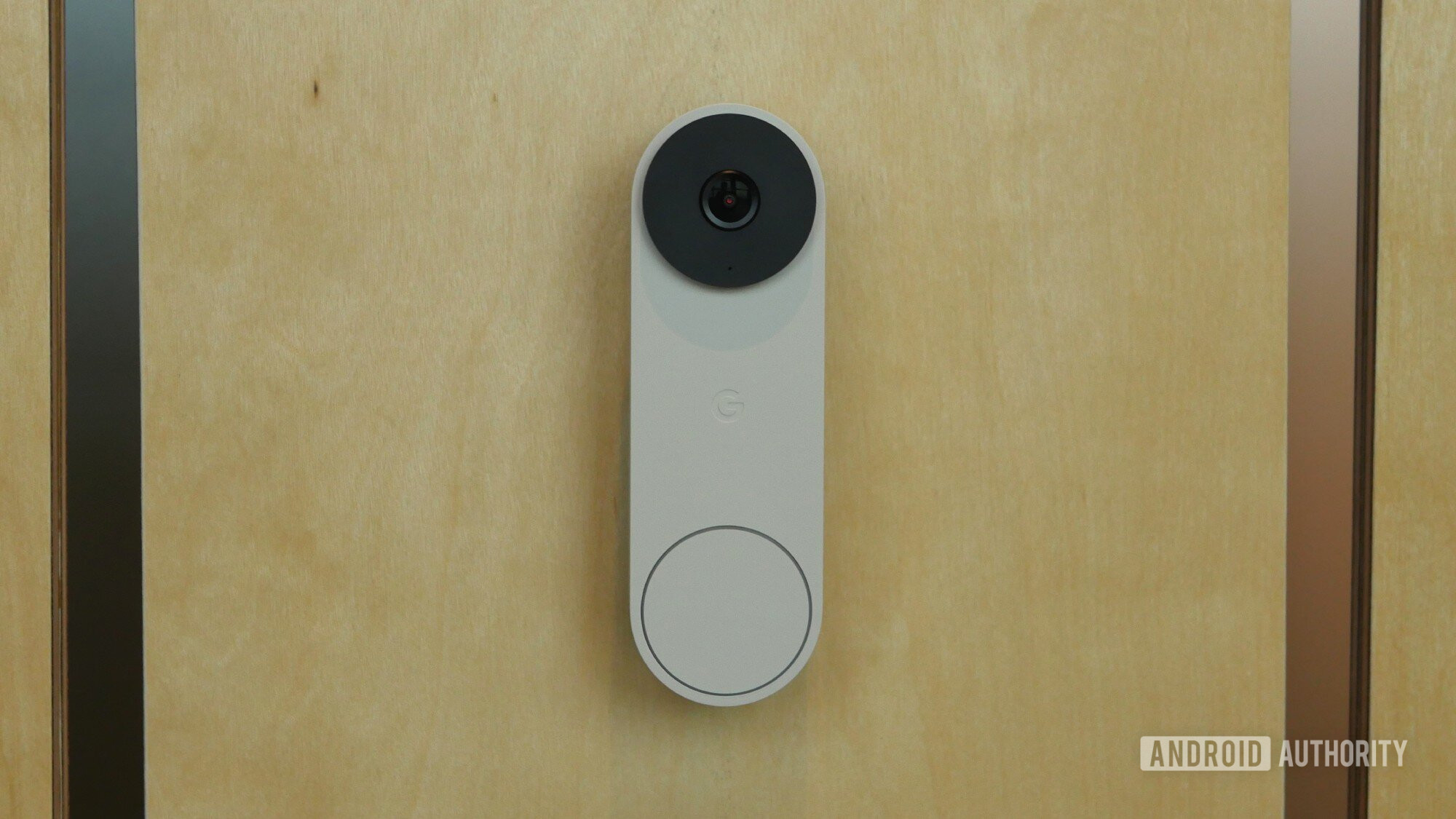
The FBI has released surveillance footage recovered from a Nest doorbell camera in the disappearance of Nancy Guthrie, the 84‑year‑old mother of “Today” show host Savannah Guthrie. While the footage sheds new light on the case and is an important piece of evidence, it’s raising privacy concerns among Nest camera and Google Home users (see the discussion on Reddit) about how the company stores video recordings.
As the grainy video showing a masked individual approaching Guthrie’s front door was released, privacy advocates and users have been questioning how the footage was accessed by law enforcement. According to the FBI, the clip was recovered from “residual data located in backend systems,” despite previous statements that there was no accessible video because the camera had been disconnected and Guthrie did not have an active subscription.
A Google Home Premium subscription is required for both event‑based and 24/7 video recording, and since Guthrie didn’t have one, the footage the FBI accessed shouldn’t have technically existed.
How Google Retains Nest Camera and Doorbell Recordings
Stephen Schenck / Android Authority
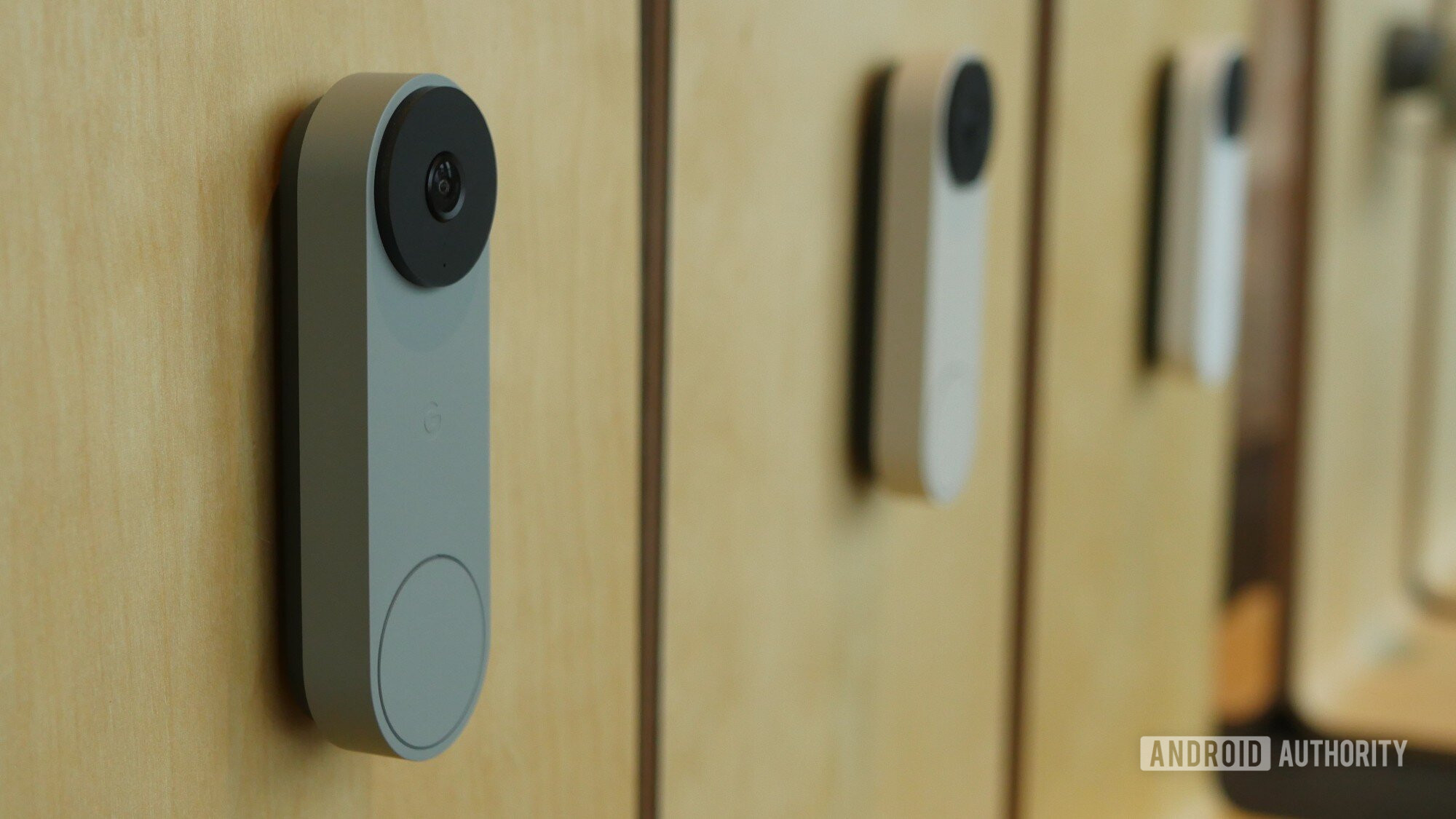
According to Google’s official documentation, its systems only retain three hours of event video previews without a subscription. To access recordings beyond that limit, users need a Google Home Premium Standard or Advanced subscription. This limitation applies to user‑visible video history and is not the same as Google’s backend retention policies.
While the company does not publish specific technical details about how long raw camera data may exist on its servers, its legal and privacy documentation includes general statements about handling requests for information from governments and courts. Nest’s privacy FAQs note that deleted data may linger in backups or be retained longer if required for legal reasons.
According to the Nest Transparency Report and Google’s broader Terms of Service, the company may disclose user data in response to valid legal requests from government agencies and reviews each request to ensure compliance with applicable laws and internal policies.
Thus, while Google’s publicly posted terms do not promise that recordings are held only for the short three‑hour window for non‑subscribers, the company reserves the right to retain data in accordance with its internal data‑retention practices. Greater transparency about the exact retention period would help users understand what to expect.