
National Robotics Week — Latest Physical AI Research, Breakthroughs and Resources
Source: NVIDIA AI Blog
NVIDIA at National Robotics Week
National Robotics Week showcases the breakthroughs that are bringing AI into the physical world and the wave of robots transforming industries—from agriculture and manufacturing to energy and beyond.
Why It Matters
- Rapid development – Advances in robot learning, simulation, and foundation models let robots move from virtual training to real‑world deployment faster than ever.
- Industry impact – Smarter robots are reshaping production lines, farms, power plants, and many other sectors.
NVIDIA Platforms Empowering Physical AI
| Area | NVIDIA Solution | What It Enables |
|---|---|---|
| Simulation | Robotics Simulation | Create high‑fidelity virtual environments for safe, scalable robot training. |
| Synthetic Data | Synthetic Data for Physical AI | Generate massive, labeled datasets to teach robots perception without costly real‑world collection. |
| AI‑Powered Robot Learning | Robot Learning | Deploy foundation models that let robots perceive, reason, and act in complex, dynamic settings. |
Stay Updated
Follow this page throughout the week for the latest coverage on NVIDIA’s Physical AI technologies and real‑world robot demonstrations.
University of Maryland Researchers Develop Robots for Complex Household Tasks
Researchers at the University of Maryland are building AI‑powered humanoid robots that can perform complex household tasks with greater autonomy.
- Goal: Create a robot foundation model that unifies perception, planning, and control.
- Platform: NVIDIA Isaac, an open robotics development suite that lets researchers generate photorealistic, high‑fidelity virtual homes filled with diverse objects and layouts. This enables robots to practice millions of task variations and safely test rare or intricate scenarios.
- Hardware:
- Training: NVIDIA RTX PRO 6000 Blackwell GPUs.
- Deployment: NVIDIA Jetson AGX Thor developer kits for efficient on‑robot inference.
By merging generative AI, sequential decision‑making, and scalable computing, the project moves us closer to general‑purpose robots that can assist people in homes, healthcare settings, and beyond.
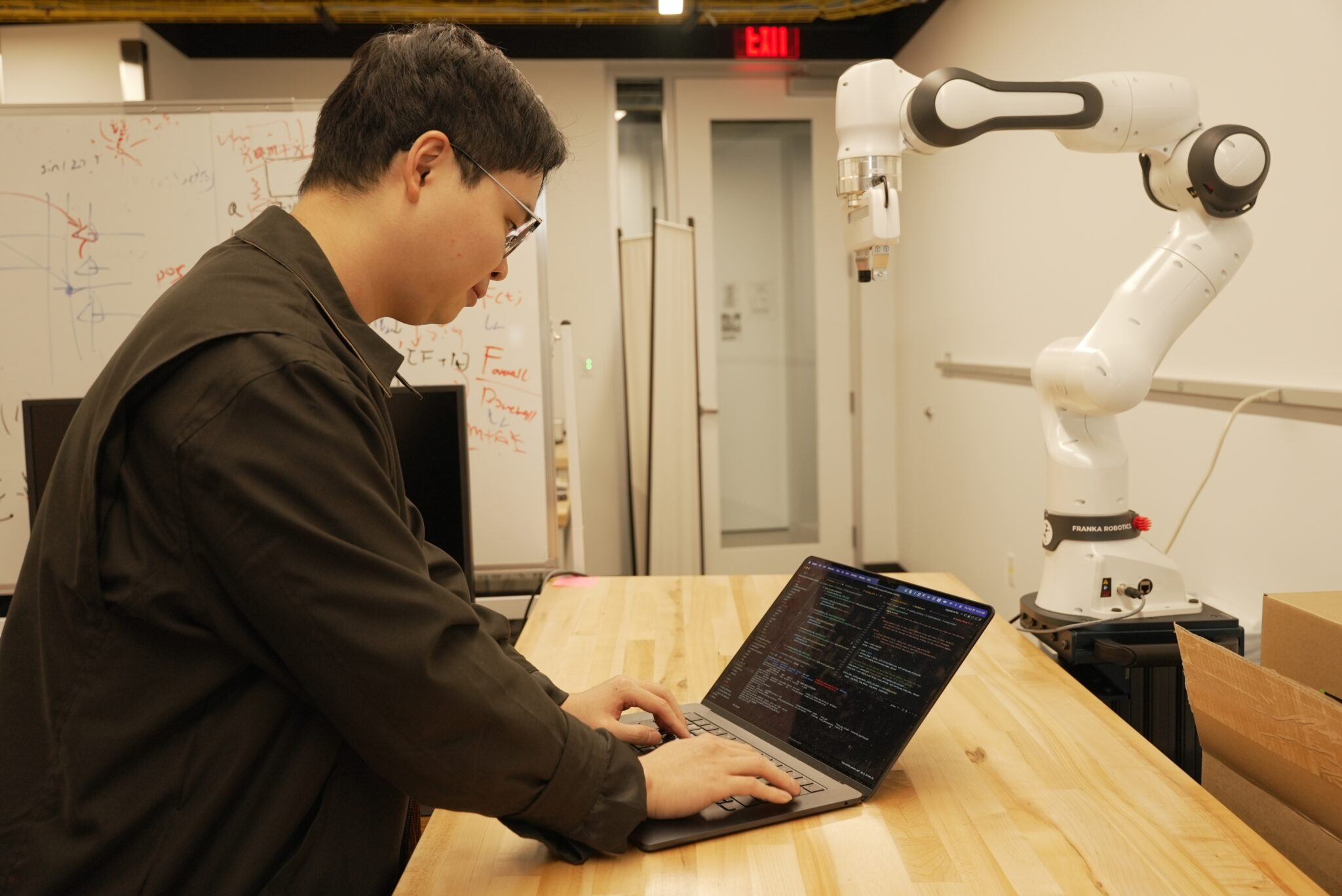
Announcing the MassRobotics Fellowship
The second cohort of the Amazon Web Services (AWS) MassRobotics Fellowship recognizes startups with compelling industrial use‑cases that combine robotics and computer vision. Fellows receive technical resources and AWS cloud credits.
Cohort members
(All are NVIDIA Inception members)
| Startup | Focus | Image |
|---|---|---|
| Burro | Autonomous agricultural robots for grape harvesting, crop scouting, and other field tasks. | 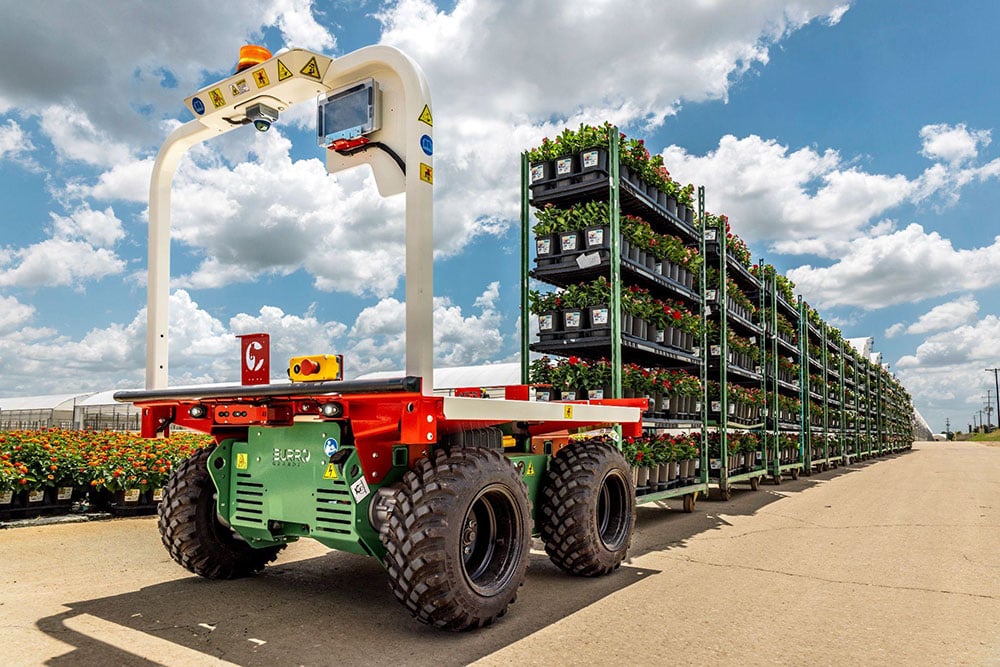 |
| Config Intelligence | Data infrastructure for general‑purpose bimanual robotics, enabling reliable two‑handed tasks in real‑world settings. | |
| Deltia | AI‑driven manufacturing intelligence that optimizes assembly lines with computer‑vision analytics. | 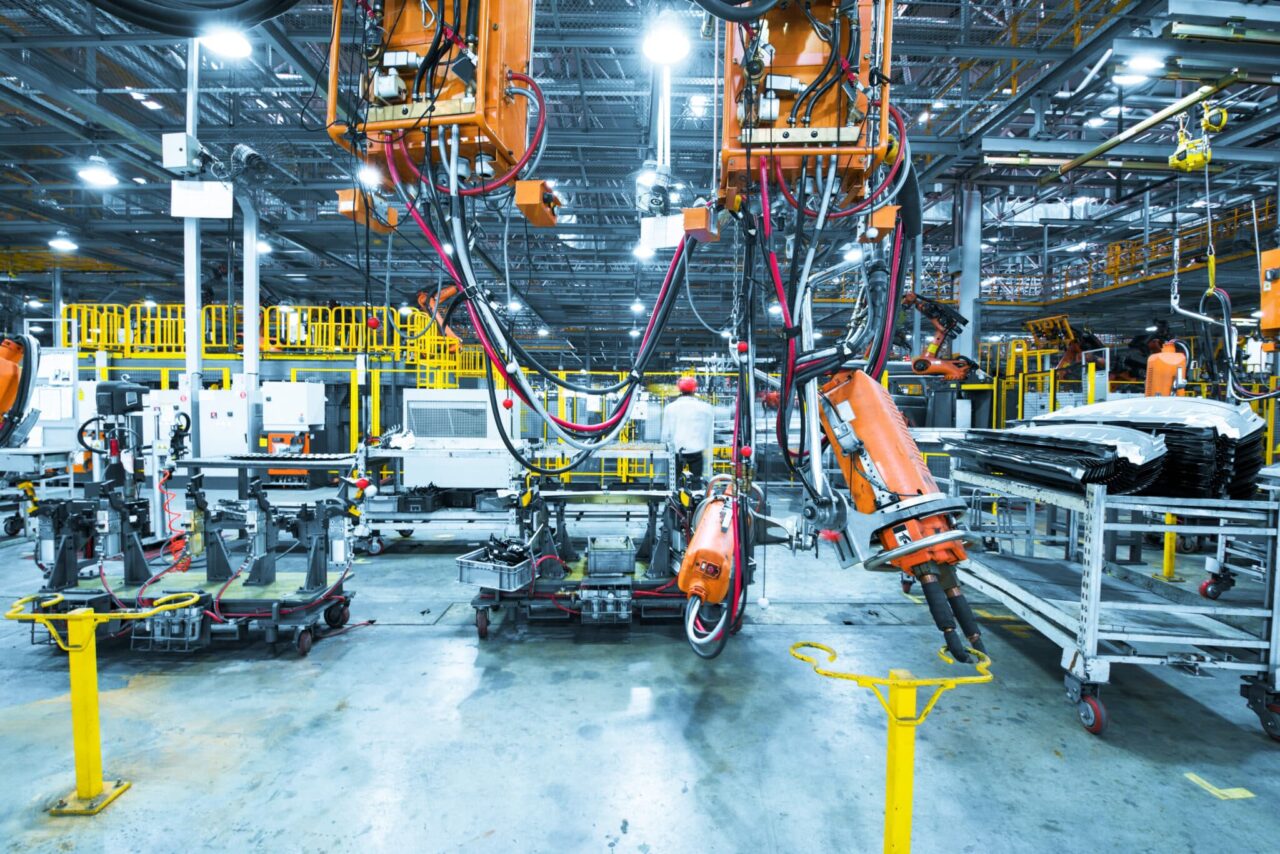 |
| Haply Robotics | Haptic control devices (“steering wheels”) for physical‑AI systems across multiple industries. | |
| Luminous Robotics | AI‑powered robots for fast, low‑cost solar‑panel installation and maintenance. | |
| Roboto AI | Data‑analytics platform that accelerates robot development by managing and analyzing robotics data. | |
| Telexistence | AI‑powered humanoid and remote‑controlled robots for retail and logistics. | 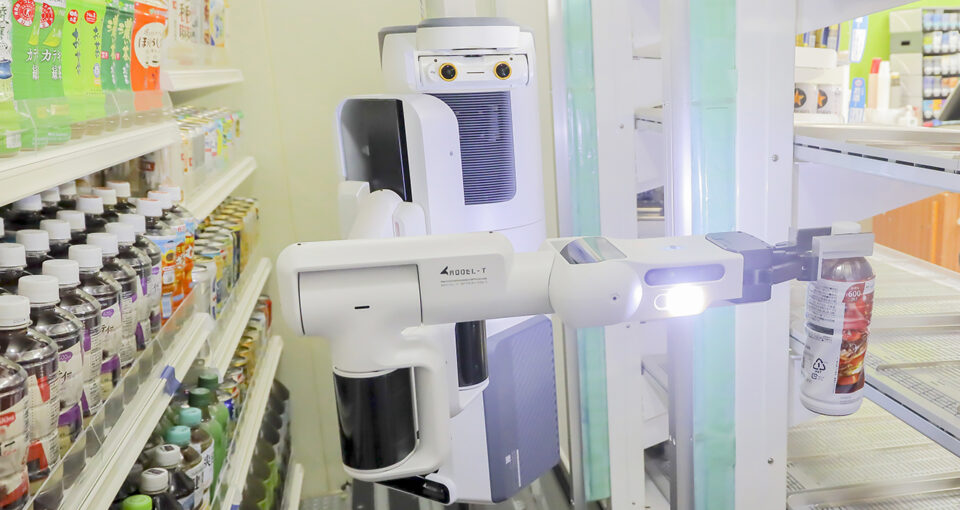 |
| Terra Robotics | Laser‑weeding robots that automate sustainable farming practices. | |
| WiRobotics | Wearable walking‑assist and humanoid robots that enhance mobility; uses assisted‑product data to train its humanoids. |
Key takeaways
- The fellowship provides technical support and AWS cloud credits to accelerate product development.
- Startups span humanoid robotics, industrial automation, haptics, and agricultural systems.
- Participation in NVIDIA Inception gives each company access to NVIDIA’s AI ecosystem and go‑to‑market resources.
For more details on the program and each fellow, visit the MassRobotics Physical‑AI Fellowship Cohort 2 page.
Accelerating How Utility‑Scale Solar Projects Are Built in the Field
Maximo – a solar‑robotics venture incubated within The AES Corporation – recently completed a 100 MW solar installation using its autonomous robot fleet. The system was built on:
- NVIDIA accelerated computing
- NVIDIA Omniverse libraries
- NVIDIA Isaac Sim framework
The project demonstrates that autonomous installations can operate reliably at utility‑scale, delivering faster build times, improved safety, and consistent quality.
Video Overview
Your browser does not support the video tag.
Key Benefits
- Speed: Significantly reduces construction timelines, helping meet the growing demand for rapid power deployment.
- Safety: Minimizes human exposure to hazardous site conditions.
- Consistency: Delivers uniform installation quality across large‑scale projects.
Visual Reference
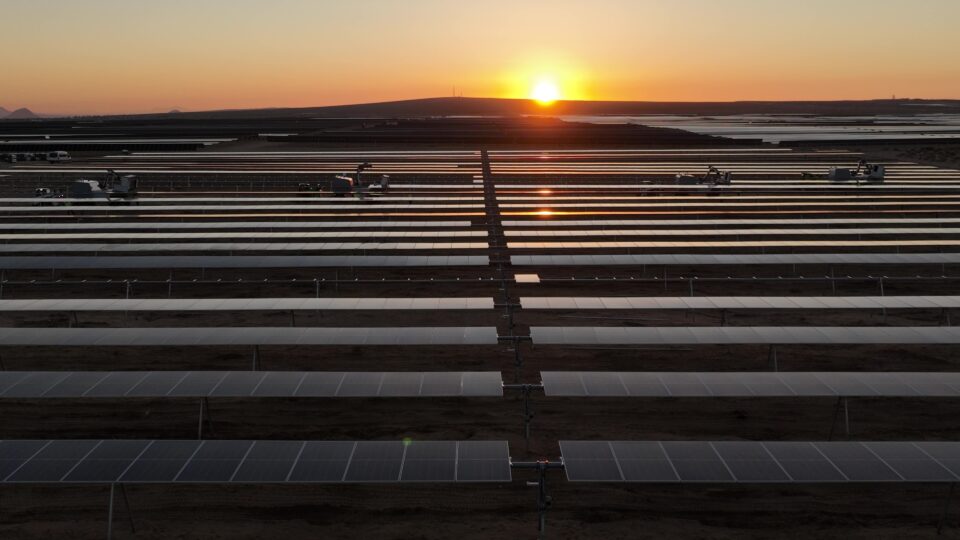
As solar expansion confronts labor shortages and soaring demand, AI‑driven field‑robotics platforms like Maximo are poised to accelerate infrastructure build‑out, cut costs, and reshape how energy projects are delivered.
Aigen Advances Sustainable Farming with Agricultural Robotics
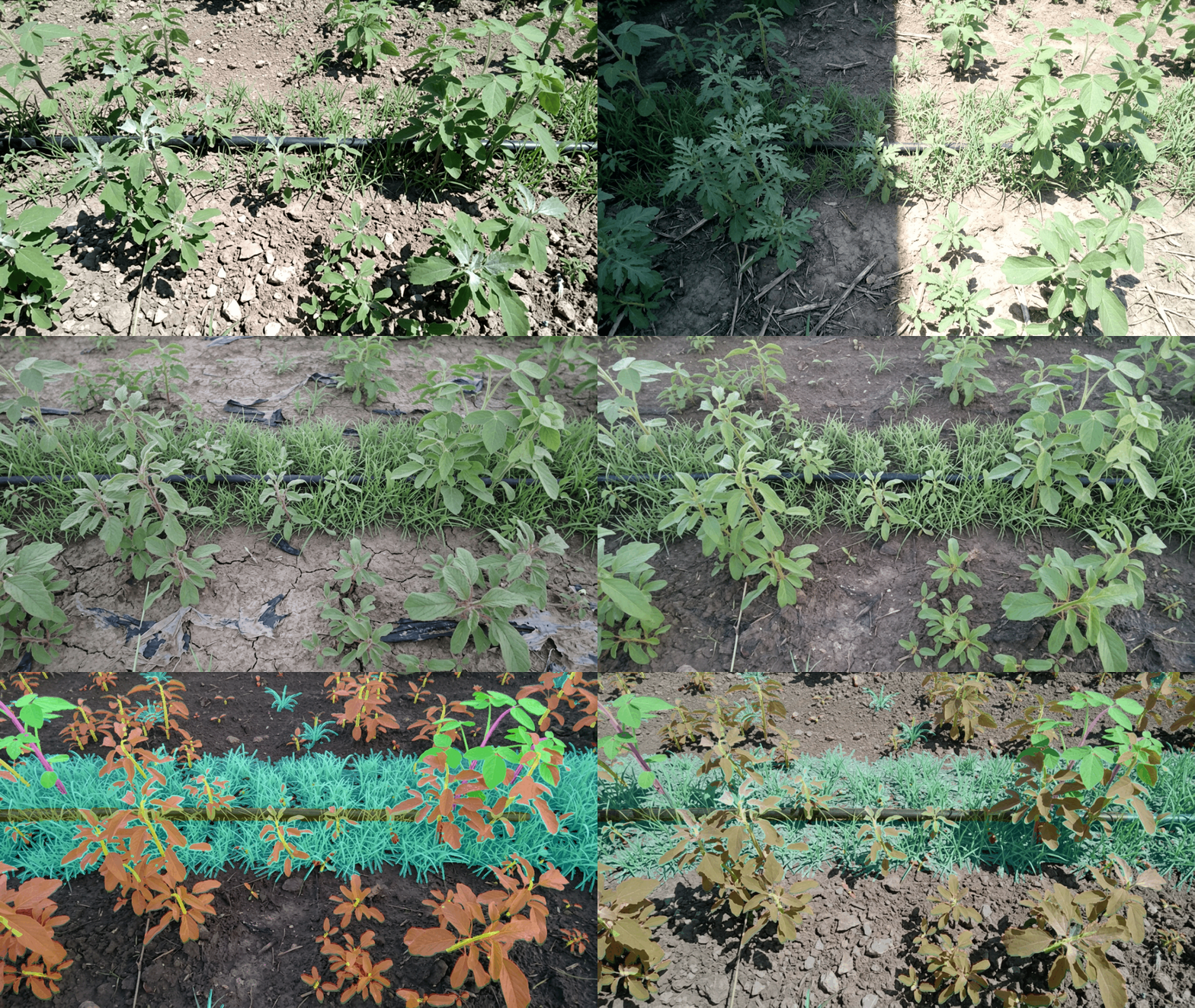
Aigen’s solar‑powered autonomous robots are helping regenerate the Earth by breaking farmers’ dependency on chemicals through precision weed control powered by vision AI.
- Clean‑energy‑driven: The fleet of solar‑powered rovers runs on an NVIDIA Jetson Orin edge‑AI module, performing real‑time crop‑vs‑weed inference.
- Data‑rich system: Leveraging the NVIDIA Inception startup program, Aigen continuously enriches its models with field data.
- AI foundation: By post‑training NVIDIA Cosmos open‑world foundation models on specialized agricultural data and using NVIDIA Isaac Sim pipelines, the system generalizes across millions of farming scenarios.
Why it matters
Farming environments are highly fragmented—different crops, soils, equipment, weeds, growth stages, and geographies. This variability makes real‑world data collection slow, expensive, and inconsistent. Aigen’s approach solves this by:
- Generating synthetic data with Isaac Sim to cover edge cases.
- Fine‑tuning Cosmos models on the synthetic and real data, creating a robust vision system.
- Deploying on‑field rovers that autonomously identify and remove weeds, dramatically reducing herbicide use.
See the rovers in action
Your browser does not support the video tag.
Impact
Using these solar‑driven rovers, farmers can:
- Grow crops more sustainably and profitably.
- Adopt regenerative practices that heal the land.
- Foster ecological balance by minimizing chemical inputs.