
Meta Ray-Ban smart glasses send ‘sensitive’ videos to human data annotators
Source: 9to5Mac
Report Overview
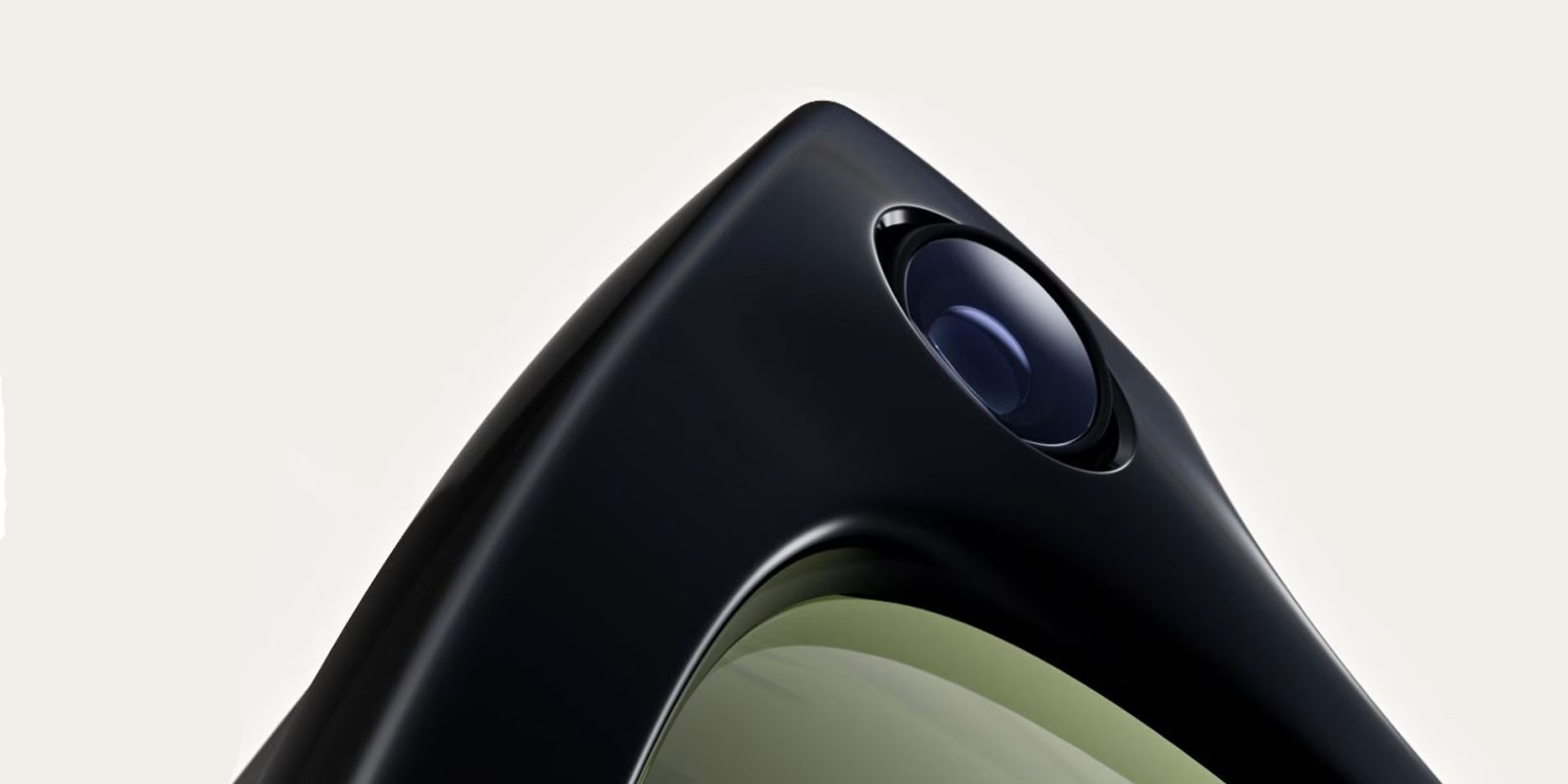
A new report says that video feeds from Meta Ray‑Ban smart glasses are sent for review by human data annotators in Kenya, and that the footage includes sensitive content that is supposed to be excluded.
Whistleblowers claim the video seen by third‑party contractors used by Meta includes everything from people having sex to bank cards.
How the Glasses Capture Video
Meta Ray‑Ban smart glasses can capture video in two ways:
- Manual recording – you activate video recording to capture point‑of‑view footage. This can be handy for hands‑free recording of experiences like a roller‑coaster ride, or incidents while driving or cycling.
- AI‑driven queries – you ask questions about whatever you are looking at through the glasses. The AI processing is handled on Meta’s servers, so the video footage must be sent there for analysis.
Findings from the Investigation
Human Data Annotators in Kenya
A report by Swedish site SVD says that footage is also sent to human data annotators whose job is to manually identify objects in the clips. A worker from a third‑party contractor based in Kenya says that this footage sometimes includes very sensitive content.
Sensitive Content Exposure
The workers in Kenya describe feeling uncomfortable at work because they are exposed to deeply private video clips that appear to come straight from Western homes. Several mention video material showing bathroom visits, sex, and other intimate moments:
“Someone may have been walking around with the glasses, or happened to be wearing them, and then the person’s partner was in the bathroom, or they had just come out naked,” an employee said.
Unclear Capture Circumstances
The circumstances in which these sensitive videos are captured are unclear. For example, there is reference to people wearing the glasses while having sex, which would appear to be a deliberate use. However, it also suggests that video footage may be sent for review even when someone is manual recording rather than using the AI feature.
Transparency and Policy Issues
There is a lack of transparency about what footage is sent to Meta when using the AI function. If you look at a car and ask Meta to identify the make and model, at what point does it stop sending footage? Is it five seconds later, ten seconds, thirty seconds? Does it stop as soon as the question is answered, or does it continue recording in case you ask further questions?
The company’s own terms of use are exceedingly vague. The terms state that “in some cases, Meta will review your interactions with AIs, including the content of your conversations with or messages to AIs, and this review can be automated or manual (human).”
When the report asked Meta for details, the company simply referred them back to the Terms of Service and Privacy Policy.
Technical Observations
Network‑traffic analysis shows the phone frequently contacting Meta servers in Luleå, Sweden, and Denmark. Former Meta employees say that sensitive data isn’t supposed to be sent for human review, but this relies on algorithmic identification of that sensitive data, which isn’t always successful.
9to5Mac’s Take
I use the glasses myself. The novelty of the AI feature wore off rather quickly, but they’re a very convenient way to shoot hands‑free POV footage. Although I’d never use them to shoot anything sensitive, I would be pretty outraged to discover that Meta is capturing manual video recordings.
The report is frustratingly lacking in hard information, but it serves as a reminder to use any AI service with caution when it comes to sensitive data of any kind – or any Meta product.
Photo: 9to5Mac/Ray‑Ban