
M5 MacBook Air will just be a spec bump, but there’s one upgrade I really want to see
Source: 9to5Mac
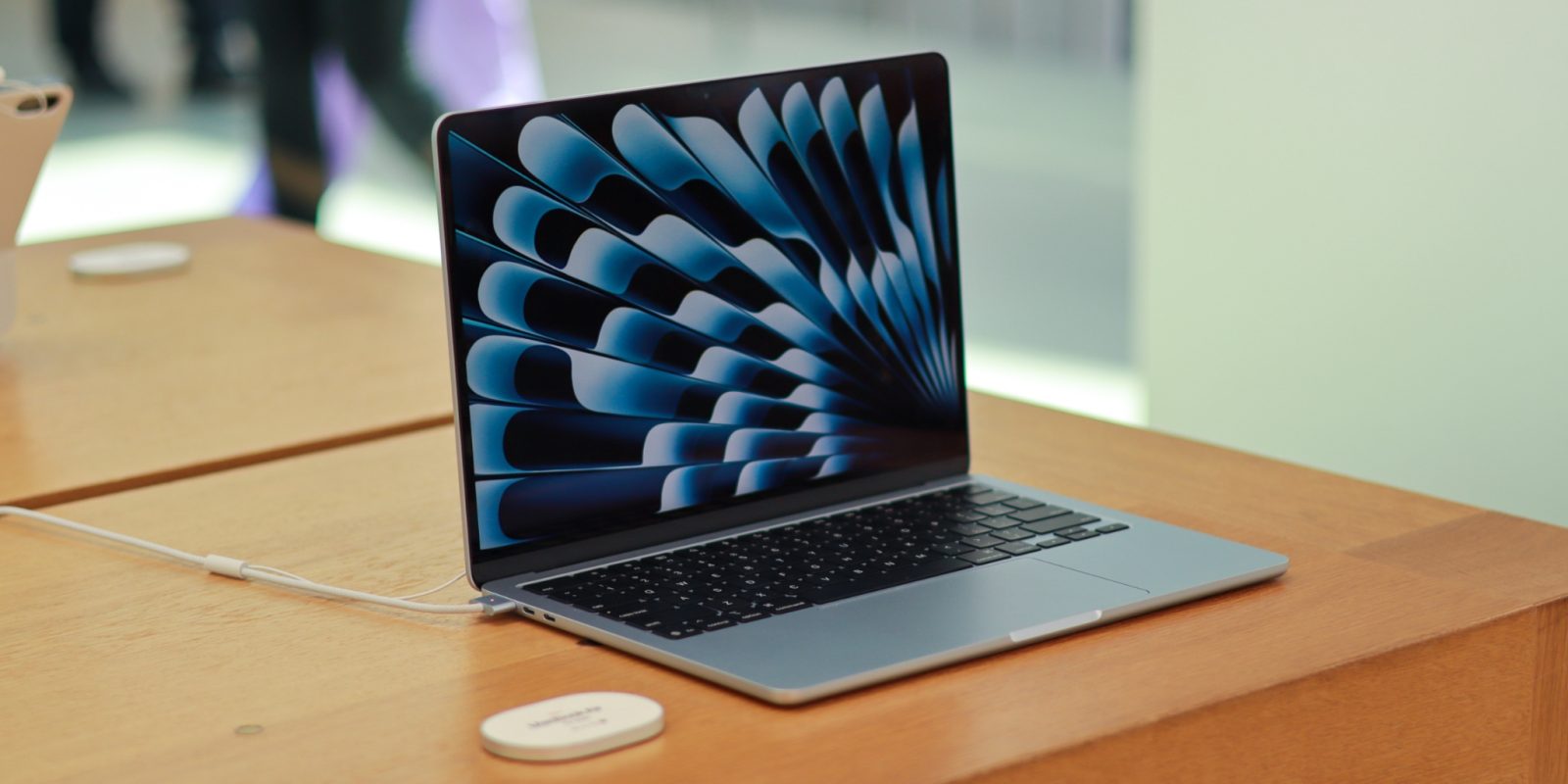
Overview
In many of its most recent hardware launches, including the iPad Pro and the iPhone 17 Pro, Apple has prioritized one thing heavily: thermals. With how powerful Apple Silicon can be, having sufficient passive cooling is important on fanless devices.
There’s one key product line that’s so far missed out on this treatment: the MacBook Air.
Previous thermal upgrades
As mentioned before, the iPad Pro and iPhone 17 Pro both received substantial thermal upgrades to address overheating complaints.
-
For the iPad Pro, Apple incorporated graphite sheets within the main housing and added copper to the Apple logo, allowing far more efficient heat dissipation. These changes delivered roughly 20 % better thermals in the new iPad Pro.
(Source: 9to5Mac – iPad Pro redesign) -
With the iPhone, Apple first introduced a new internal design on iPhone 16 for better heat dissipation, then a full redesign on the iPhone 17 Pro featuring a vapor chamber and aluminum unibody.
(Source: 9to5Mac – iPhone 16 battery replace; iPhone 17 Pro vapor chamber)
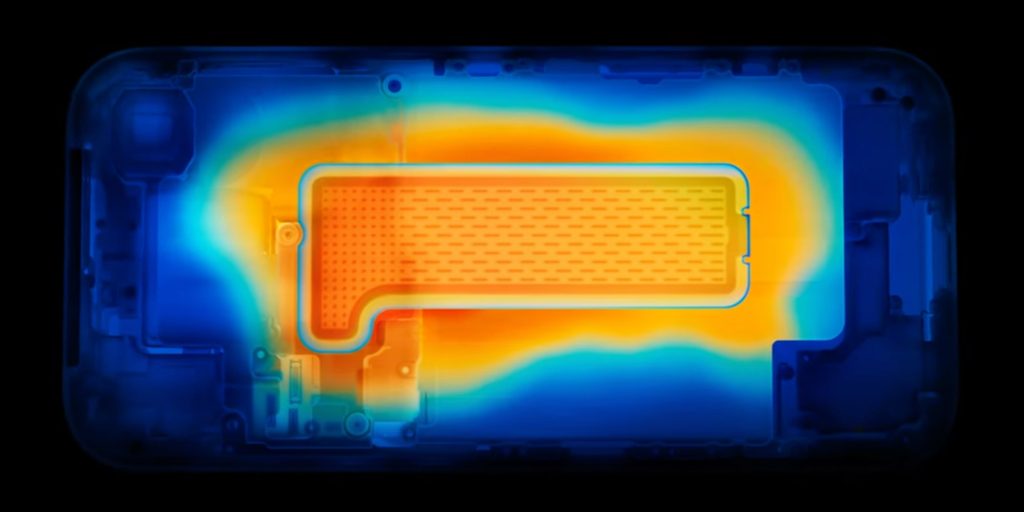
Despite these strides across the iPad Pro and iPhone, Apple never brought similar improvements to the MacBook Air, one of its thinnest and lightest computers with very demanding silicon.
MacBook Air thermal issues
Apple redesigned the MacBook Air in 2022 with a much thinner and lighter chassis, switching from a large metal heatsink to a thin graphite sheet with no real heat spreader. This change caused the M2‑based MacBook Air to thermally throttle faster than its predecessor under sustained workloads.
When Apple announced the M4 iPad Pro and its copper heat spreader in the Apple logo, many hoped a similar approach would appear in the next MacBook Air. While that hasn’t happened yet, the upcoming M5 MacBook Air could still benefit from a vapor chamber—similar to the iPhone 17 Pro—without needing a copper heat spreader.
The thermals of the MacBook Air haven’t improved despite the increasing power of Apple Silicon, leaving the device underprepared for chips like the M4 and potentially worse for the M5 if no changes are made.
Wrap up
One could argue that most MacBook Air users don’t need sustained performance, and that may be a fair point. However, if the iPad Pro can have a sophisticated cooling system while running iPadOS, there’s no reason the MacBook Air should miss out.
Apple is expected to unveil a new entry‑level MacBook model later this year with an A18 Pro chip. That device will be passively cooled, but adding better thermal management to the MacBook Air would give it a leg up compared to the budget MacBook for some buyers.