
Laptop prices expected to soar by around 40% as AI crunch takes hold — analyst says rising mainstream models priced at $900 could hit more than $1,200 due to rising memory, storage, and CPU costs
Source: Tom’s Hardware
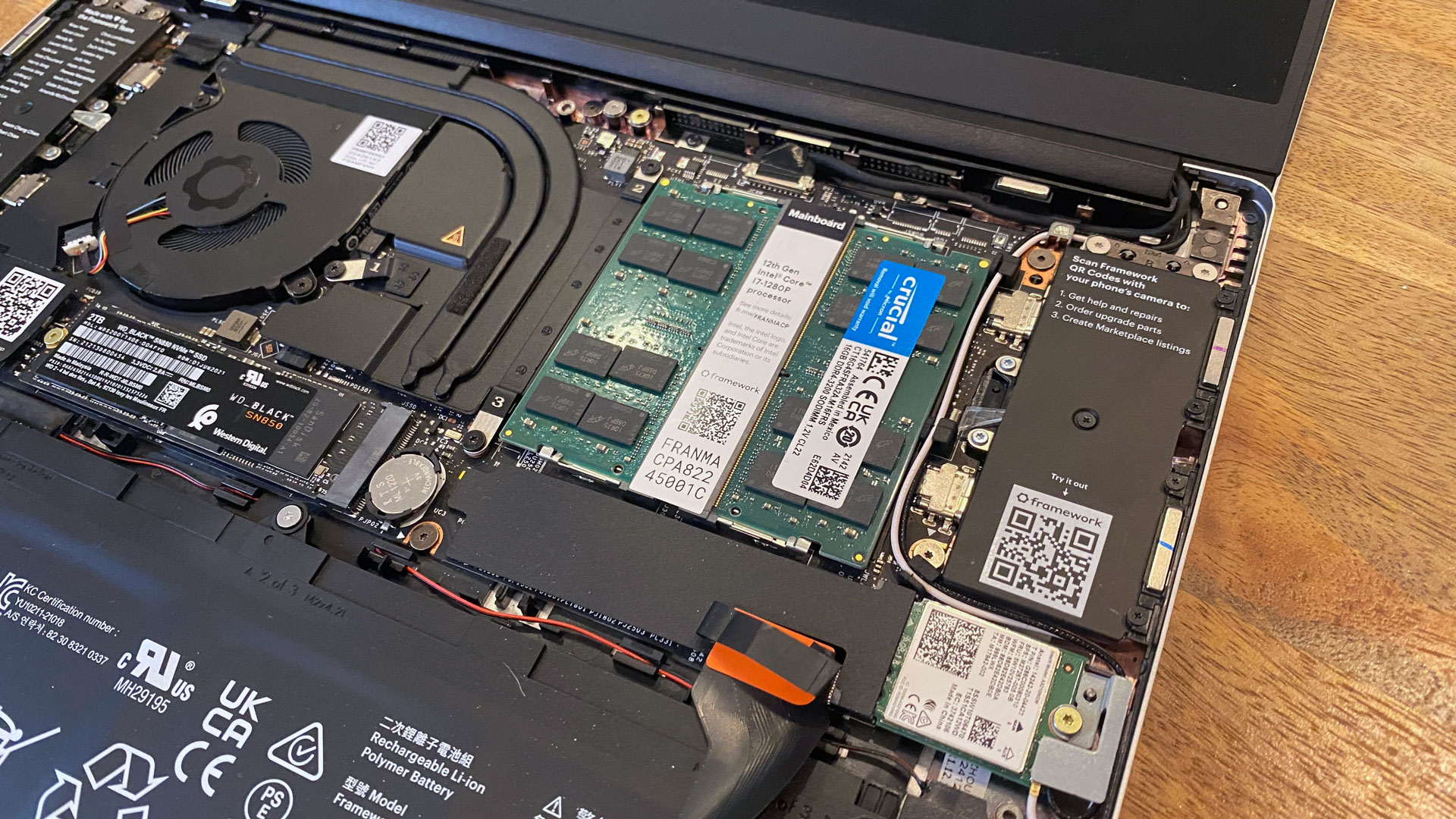
Image credit: Tom’s Hardware
Market Overview
The PC market is being pummeled by a precipitous decline and rising component costs. An industry analyst warns that these factors could push laptop prices up by around 40%. According to TrendForce, if manufacturers, distributors, and retailers maintain their margins, mainstream models that currently cost $900 could rise to roughly $1,260.
The price pressure stems from:
- Ongoing memory and storage chip shortages – see the memory spot price surge.
- Intel’s price hikes on several generations of modern CPUs – details in the Intel CPU price increase report.
Cost Breakdown
Before the shortages, RAM modules and SSDs accounted for about 15% of a mainstream laptop’s bill‑of‑materials (BOM), while the CPU contributed roughly 30%, together representing 45% of the total. Recent supply constraints have pushed this combined share to ≈58%, a 13‑percentage‑point increase that does not include the profit margins of the entire supply chain. Consequently, retail pricing is expected to rise significantly beyond the component cost increase.
Impact on CPUs
The AI boom of 2026 has also affected CPU demand:
- Both Intel and AMD reported spikes in demand, as detailed in the CPU demand surge article.
- Server CPU shortages in China have led to higher prices and longer lead times, see the China server CPU shortage report.
Agentic AI workloads require a mix of CPUs, GPUs, NPUs, and other accelerators, driving up demand across the board. In the consumer market, enthusiasts experimenting with OpenClaw have caused extended delivery timelines for high‑end Apple Mac units with massive unified memory configurations (details).
Implications for Consumers
The projected price increase poses challenges for Windows‑based entry‑level and mid‑range laptops, traditionally priced under $1,000. If the estimates hold, these models may lose price competitiveness against Apple’s offerings:
- The new M5 MacBook Air starts at $1,099 and includes 16 GB of unified memory and 512 GB of storage.
- The recently announced MacBook Neo begins at $599, offering a premium package at an affordable price point.
These Apple devices could attract budget‑conscious buyers who previously favored Windows laptops, potentially reshaping market dynamics.