
It’s time for Apple to let go of 60Hz displays
Source: 9to5Mac
Introduction
It’s been nearly a decade since the introduction of the first 120 Hz ProMotion display, if you can believe that. It was one of the flagship features of the 2017 iPad Pro. However, all this time later – Apple still treats it as a luxury feature, and I feel like it’s holding them back.
Apple finally added 120 Hz to the base iPhone 17, four years after it was introduced on the iPhone 13 Pro. That was a great change.
Loads of people will argue that 120 Hz displays aren’t noticed by the “average consumer” unless you point it out to them. Even if that is true, it’s undeniable that a 120 Hz display results in a smoother experience all around. The device feels faster and more responsive, even if the end user doesn’t know what’s causing it.
At the end of the day, Apple doesn’t make cheap products, barring a few exceptions like the base‑model iPad and potentially the upcoming budget MacBook. Why should the $599‑$799 iPad Air come with a 60 Hz display when the $649 10.5″ iPad Pro offered 120 Hz nearly a decade ago?
Apple’s mid‑range products shouldn’t provide the bare minimum
The iPad Air starts at $599 for the 11‑inch version and $799 for the 13‑inch version. The iPad Pro starts at $999 for the 11‑inch version and $1199 for the 13‑inch version—a $400 price gap.
Realistically, that gap is large enough that few people truly cross‑shop them. If there’s an iPad Pro feature you need, like the OLED‑type display or the latest Apple Silicon, you’ll likely buy an iPad Pro outright.
For most people, however, budget matters. Even if they appreciate 120 Hz, it’s unlikely they’ll splurge on the iPad Pro for that reason alone. An extra $400 isn’t exactly light.
When price gaps were smaller, keeping certain features exclusive to Pro models made sense. For example, in 2022 the 11‑inch iPad Pro was $799 versus $599 for the iPad Air.
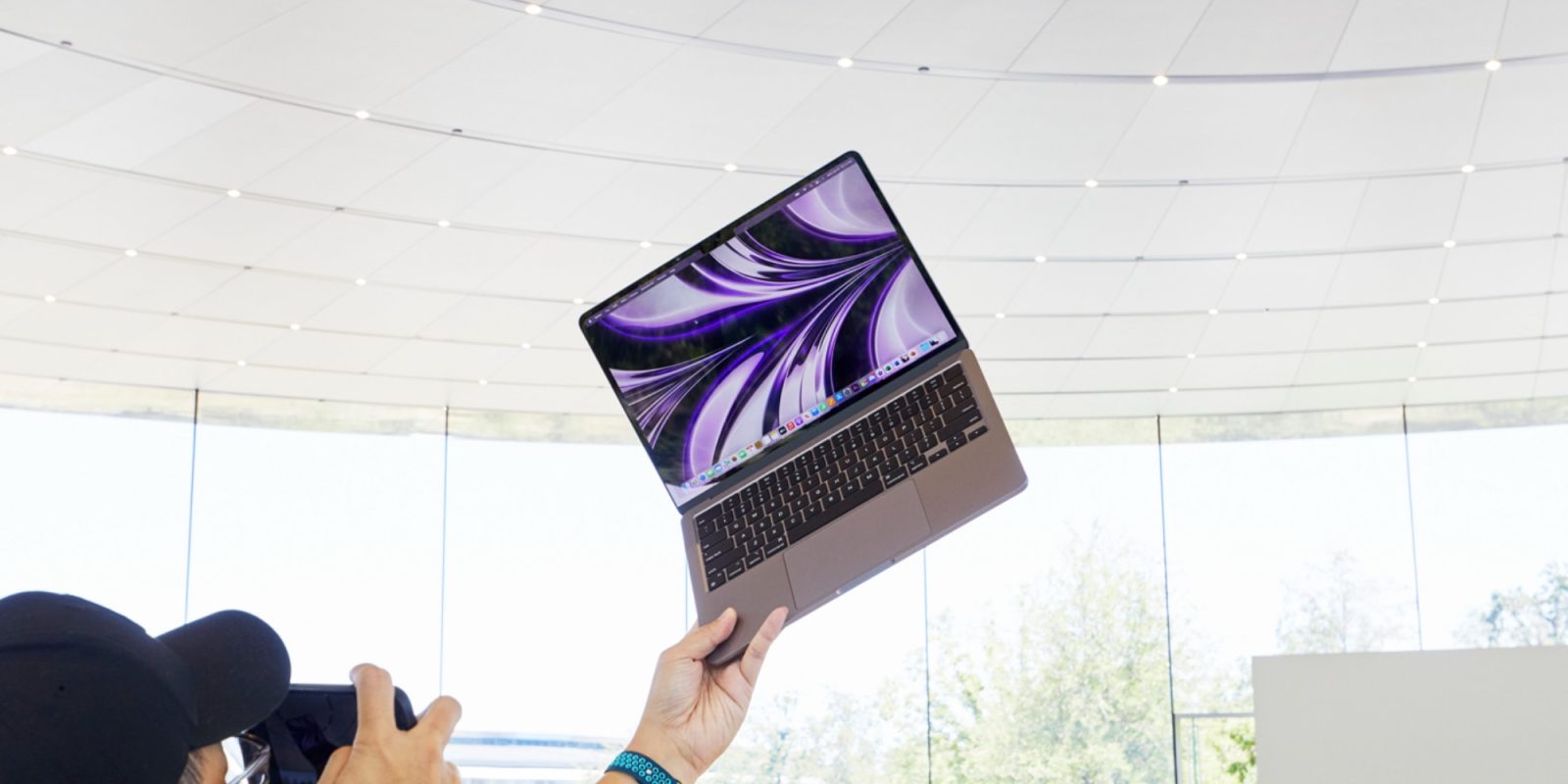
The same logic applies to the MacBook Air. When the MacBook Air is $999 and the cheapest MacBook Pro is $1599, why should 120 Hz be exclusive to the Pro? Most reasonable people aren’t going to pay a $600 premium just for that one feature, and $999 isn’t exactly a budget price point.
Wrap up
Some feature diversity between product tiers is necessary—Apple will always want to upsell higher‑end products. But after nearly a decade since Apple produced its first 120 Hz LCD panel, it’s hard to justify nickel‑and‑diming customers on a feature that makes devices feel smoother, especially when those products aren’t the cheapest.
Base‑model iPads and the upcoming “budget” A18 MacBook will likely continue to have 60 Hz displays, which is fine for entry‑level offerings. Across the industry, most $999 laptops include 120 Hz panels. Should that be Apple’s standard?
For a company that has long prided itself on small details that greatly improve user experience, it’s puzzling why they would cheap out on display responsiveness when a 120 Hz LCD likely doesn’t add much cost to products like the MacBook Air and iPad Air. It probably wouldn’t drastically change how people view Apple’s overall product ladder, but it would improve the feel of mid‑range devices.
Even if Apple wants to further stagger its product ladder, why not at least 90 Hz? All in all, 60 Hz is starting to feel a bit long in the tooth for mid‑range products.