
OpenClaw-fueled ordering frenzy creates Apple Mac shortage — delivery for high Unified Memory units now ranges from 6 days to 6 weeks
Source: Tom’s Hardware
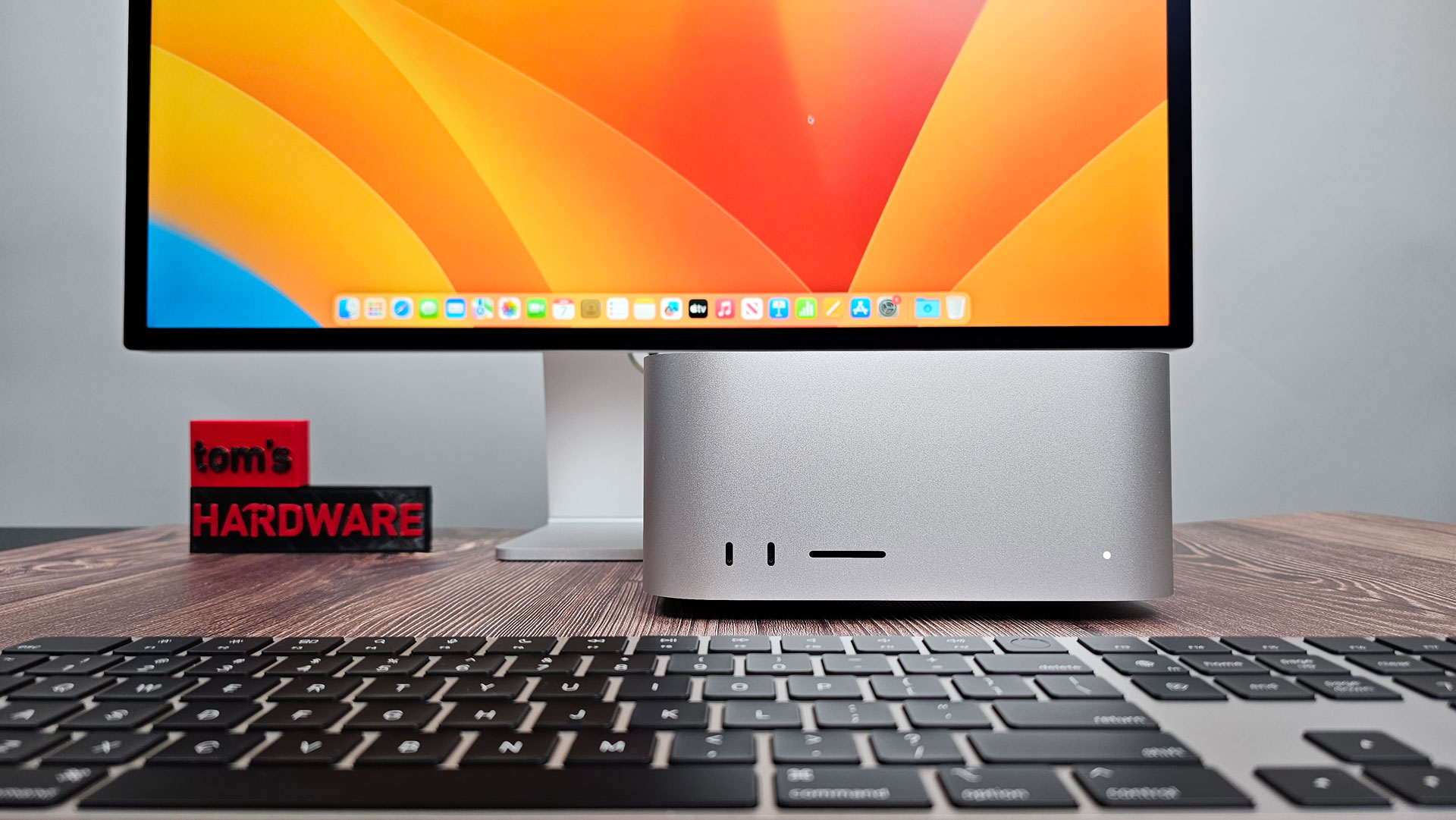
Image credit: Tom’s Hardware
Lead Times for High‑Memory Macs
Apple customers are seeing dramatically longer delivery windows for Mac models with upgraded Unified Memory. While base‑model units of the MacBook Air, iMac, and the M4 Mac mini can still ship the same day, adding more memory can push wait times out by two to three weeks—or even up to six weeks for the highest‑capacity configurations.
OpenClaw and AI Agent Demand
Alex Finn, founder and CEO of Creator Buddy, linked the shortage to demand from “the world’s first true AI agent,” presumed to be OpenClaw (formerly Clawdbot/Moltbot), an open‑source AI agent that’s gaining traction online:
“Something big is happening. First Mac Minis. Now Mac Studios. Completely sold out. When I bought 2 Mac Studios a month ago my wait was 14 days. Now the wait is 54 days.” – Twitter post, Feb 13 2026
Why Unified Memory Matters
Running large local AI models (e.g., a 70‑billion‑parameter model in FP16) can require around 140 GB of memory just for the weights, according to AI investor Ben Pouladian. Such models exceed the capacity of a single high‑end GPU (e.g., RTX 5090 with 32 GB VRAM) and would need multiple GPUs, which introduces PCIe bottlenecks.
Apple’s Unified Memory architecture sidesteps these issues:
- Shared memory pool for CPU, GPU, and NPU eliminates the need for NVLink‑style interconnects.
- Higher bandwidth than LPDDR (though still slower than HBM) ensures smoother data flow for AI workloads.
“For the last 2 years, at Eternal AI, we’ve been running clusters of Mac Studios. These Mac clusters are perfect for long‑running agentic tasks and local private LLMs. Welcome home, @openclaw 🦞” – Twitter post, Feb 13 2026
Impact on Supply
Apple’s CEO Tim Cook has acknowledged that the company is “chasing memory supply” to meet heightened customer demand:
- The memory shortage is driven primarily by AI hyperscalers and institutional buyers.
- Consumer purchases of high‑memory Macs for local AI agents add additional pressure.
Apple’s response to the shortage will likely affect its Q2 earnings, as detailed in the coverage of Cook’s comments.