
Intel's make-or-break 18A process node debuts for data center with 288-core Xeon 6+ CPU — multi-chip monster sports 12 channels of DDR5-8000, Foveros Direct 3D packaging tech
Source: Tom’s Hardware
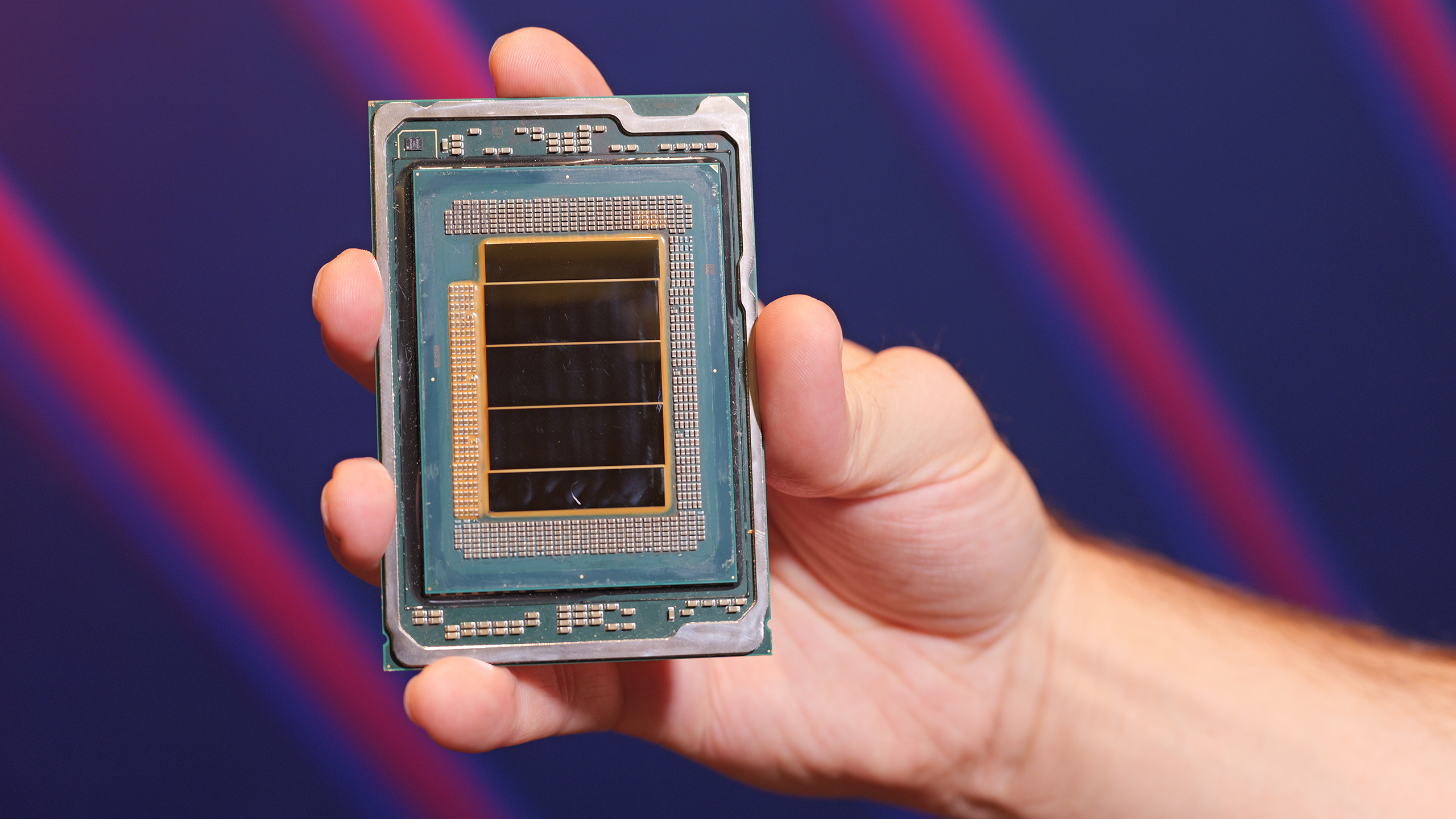
Image credit: Intel
Intel formally introduced its Xeon 6+ processors, codenamed Clearwater Forest, built on the company’s 18A fabrication process (1.8 nm‑class). The chips pack up to 288 energy‑efficient Darkmont cores and target telecom, cloud, and edge AI workloads, featuring Advanced Matrix Extensions (AMX), QuickAssist Technology (QAT), and Intel vRAN Boost.
Darkmont efficiency cores
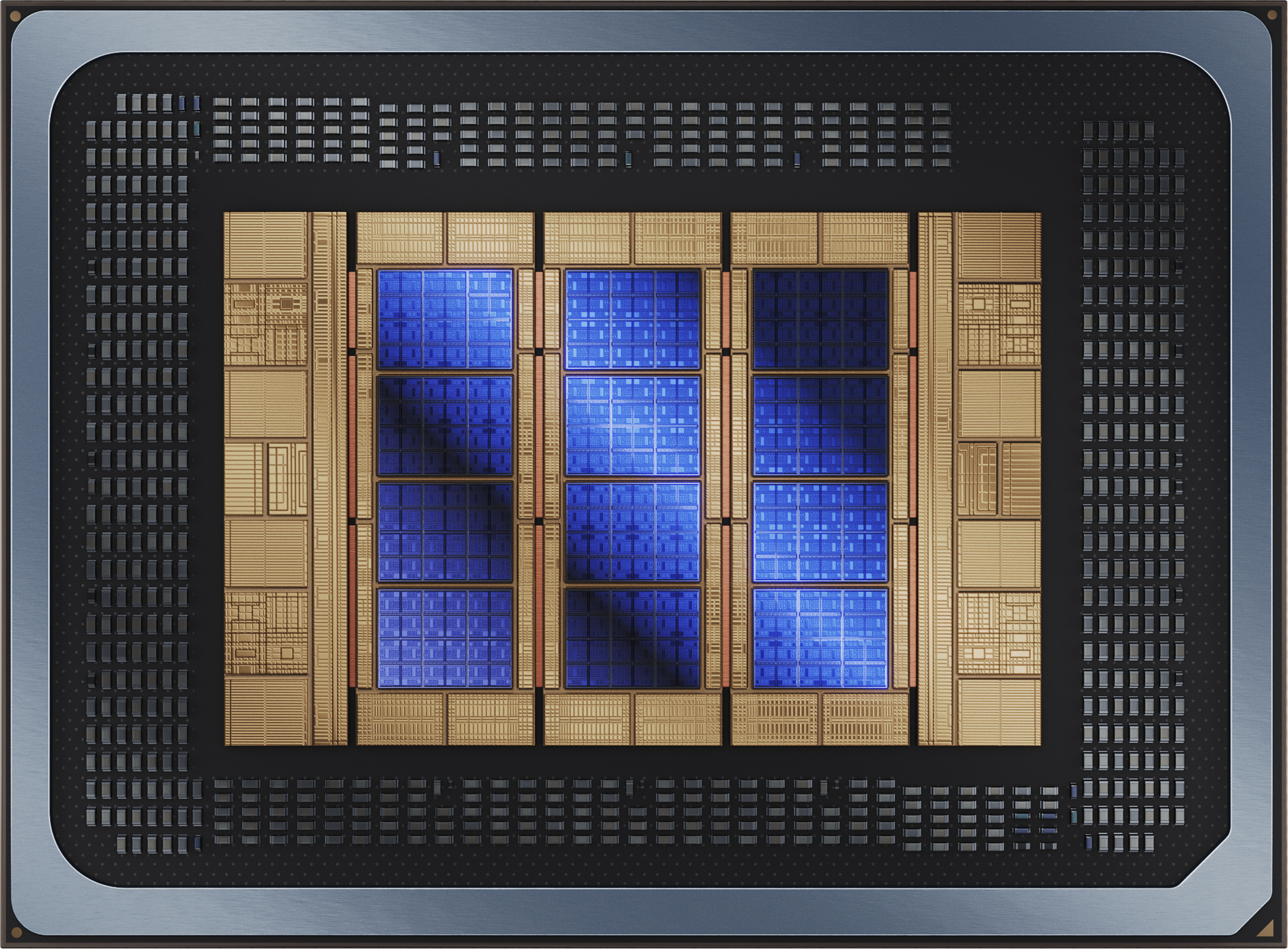
Image credit: Intel
The Darkmont cores receive several microarchitectural upgrades:
- 64 KB L1 instruction cache per core
- Wider fetch and decode pipeline
- Deeper out‑of‑order engine with more in‑flight operations tracking
- Increased number of execution ports for higher scalar and vector throughput
Cache hierarchy
Cores are grouped into four‑core blocks sharing ~4 MB of L2 cache each. The total last‑level cache exceeds 1 GB (≈1,152 MB), keeping data close to the hundreds of active cores, reducing external memory bandwidth demands, and improving performance while lowering power consumption.
Platform specifications
- Drop‑in compatible with current Xeon server socket
- 12 memory channels supporting DDR5‑8000
- 96 PCIe 5.0 lanes (64 lanes supporting CXL 2.0)
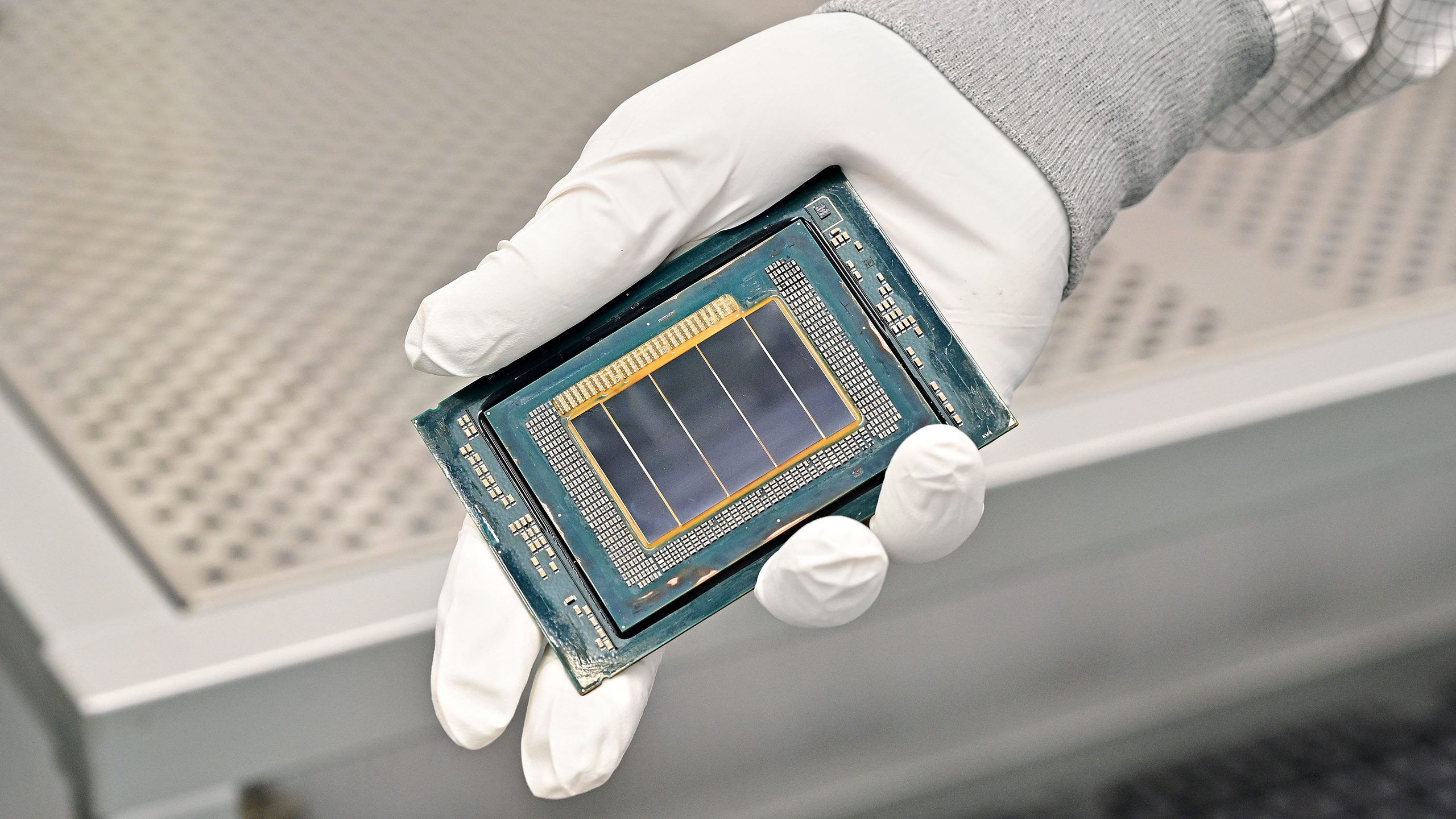
Image credit: Intel
Target workloads and positioning
Clearwater Forest is aimed at telecom and cloud operators deploying 5G Advanced and future 6G networks. By integrating matrix/vector acceleration, vRAN offloads (vRAN Boost), large caches, and extensive I/O, the CPU can handle tasks typically offloaded to separate accelerators, reducing power consumption and system complexity.
Core count and scalability
- Up to 288 cores in a single‑socket configuration
- Up to 576 cores in dual‑socket systems
This enables a single server to host dozens or even hundreds of virtual machines while maintaining power efficiency and low latency.
Availability
Systems based on Intel’s Xeon 6+ processors are expected later this year.