
Intel quietly kills controversial Software Defined Silicon initiative — GitHub repository was archived in November 2025, allegedly signaling the end of active development
Source: Tom’s Hardware
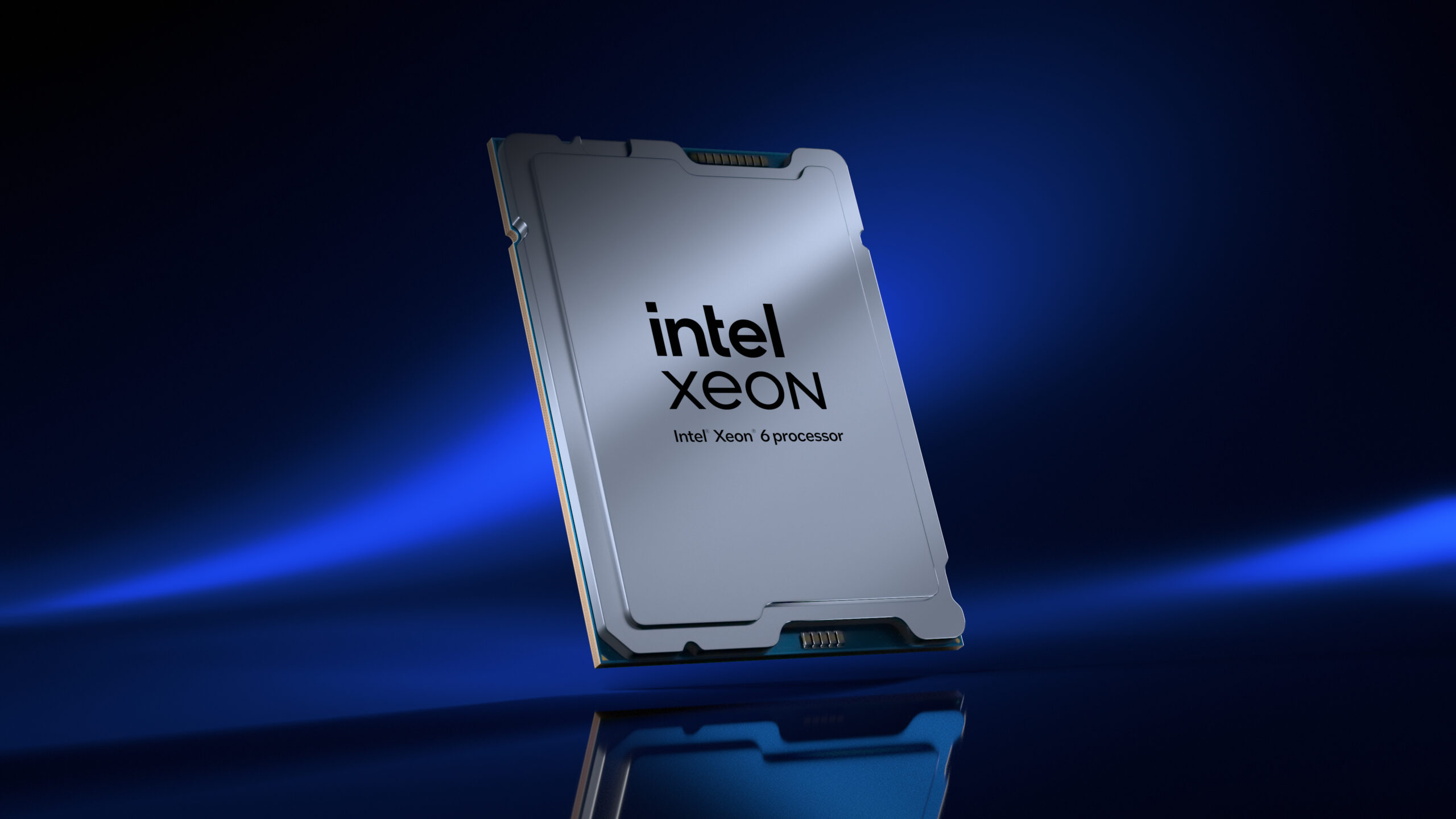
Image credit: Intel
Intel quietly ends the Software Defined Silicon initiative
Intel began work on the Software Defined Silicon initiative (SDSi) for its 4th‑generation Xeon processors four years ago, aiming to sell processors and then charge a premium for activating accelerators on demand. The program later received the official Intel On Demand name before fading from public view.
According to Phoronix, the Intel SDSi GitHub repository—containing the software components needed for Intel On Demand—was archived in November 2025, signaling the end of active development. At the same time, Intel removed most On Demand documentation from its website; only legacy PDF files remain accessible.
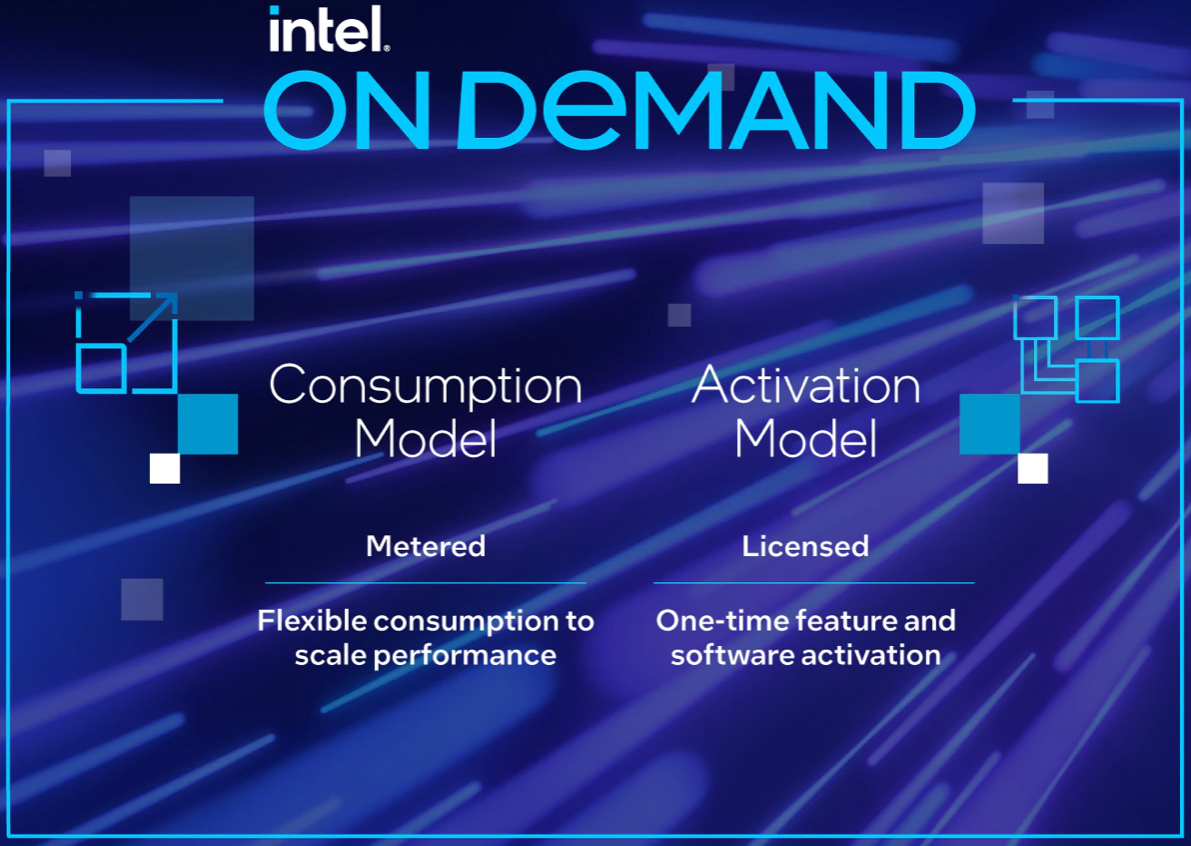
Image credit: Intel
Repository archival
- The GitHub repository that hosted the SDSi software was archived in November 2025.
- No new patches have been released for several years, indicating that Intel no longer prioritizes the project.
- Most On Demand documentation has been taken down from Intel’s site, leaving only older PDFs.
Intel On Demand overview
Intel positioned the On Demand model as a flexible way for customers to enable various accelerators in Xeon processors without purchasing higher‑tier models upfront. The supported accelerators included:
- Software Guard Extensions (SGX)
- Dynamic Load Balancer (DLB)
- Intel Data Streaming Accelerator (DSA)
- Intel In‑Memory Analytics Accelerator (IAA)
- Intel QuickAssist Technology (QAT)
The program offered two licensing options:
- Permanent enablement – a one‑time payment to unlock the feature permanently.
- Usage‑based licensing – customers pay only when they actually use the accelerator.
Industry criticism
The initiative faced notable criticism from the server community. Concerns centered on the fact that accelerator IP blocks were physically present in the silicon but remained disabled unless customers paid to activate them, effectively requiring payment for features that already existed in the hardware. This raised questions about the value proposition and whether the model would gain traction.
Given the archival of the SDSi support code and the removal of related documentation, it appears that Intel On Demand did not achieve widespread adoption.