
Instagram privacy tech is turned off today - what does this mean for your DMs?
Source: BBC Technology
Joe Tidy, Cyber Correspondent, BBC World Service – 5 hours ago


Overview
Instagram users will no longer be able to send ultra‑private direct messages, as the feature is being switched off globally. The removal of end‑to‑end encryption (E2EE) on messages marks a major U‑turn by parent company Meta, which previously championed the technology as the gold standard for user privacy.
- E2EE is the most secure form of online messaging – only the sender and the recipient can view the content.
- It has long been opposed by campaigners who argue that it enables the spread of extremist content without the possibility of law‑enforcement intervention.
Meta’s decision has been welcomed by groups such as children’s charities but condemned by privacy advocates.
What the change means
- By switching off E2EE, Instagram will now be able to access the full content of direct messages, including images, videos and voice notes.
- The platform will revert to standard encryption, which still protects data in transit but allows internet service providers (and, if required, law‑enforcement) to access the material. This is the same model used by most major services such as Gmail.
Reactions
“We are really pleased,” said Rani Govender, NSPCC. “E2EE can allow perpetrators to evade detection, enabling the grooming and abuse of children to go unseen.”
“I’m disappointed,” said Maya Thomas, Big Brother Watch. “E2EE is one of the key ways children can keep their data safe online, so we’re concerned that Meta may be caving to government pressure.”
Background
- In 2019, Meta pledged to roll out E2EE across its messaging services, declaring “the future is private.”
- The company completed the rollout on Facebook Messenger in 2023 and later made the feature optional on Instagram, with plans to make it the default.
- After seven years, Meta has decided not to proceed with the wider deployment on Instagram, leaving the platform with only standard encryption.
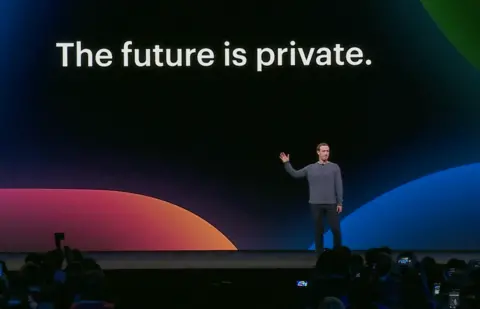
“Your private communications should be secure,” said Meta CEO Mark Zuckerberg in 2019.
Years‑long fight
Since 2019, Meta has defended its plans amid criticism while working through the technical challenge of bringing end‑to‑end encrypted (E2EE) messaging to Facebook and Instagram.
The company never announced publicly that it was abandoning the Instagram rollout. Instead, it quietly updated the app’s terms and conditions in March:
“End‑to‑end encrypted messaging on Instagram will no longer be supported after 8 May 2026.
If you have chats affected by this change, you will see instructions on how to download any media or messages you may wish to keep.”
Meta told reporters the decision was taken because too few users were opting in to use the feature. Commentators note that optional features often suffer low uptake, as requiring users to opt in creates extra friction.
Reactions
-
Victoria Baines, cyber‑security expert and professor of IT at Gresham College, said the move reflects a shift in Meta’s attitude toward privacy:
“Social media platforms monetise our communications — our posts, likes and messages — so they can serve targeted advertising.
And increasingly, companies like Meta are focusing on training AI models, for which messaging data can be extremely valuable. I think the decision is more complex.” -
Instagram has previously stated that direct messages are not used to train AI.
-
The company declined to comment further, and Instagram boss Adam Mosseri declined interview requests.
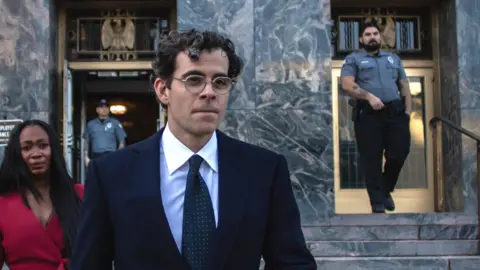
Adam Mosseri, Instagram CEO, at the social‑media‑addiction trial where Meta and Google were found liable.
Campaigners such as Big Brother Watch warn that Meta’s decision could influence the wider social‑media industry. Until recently, the spread of E2EE had been the clear direction of travel.
Current state of E2EE across major platforms
| Platform | E2EE status |
|---|---|
| Signal | Default |
| Default | |
| Facebook Messenger | Default |
| Apple iMessage | Default |
| Google Messages | Default |
| Telegram | Optional (not default) |
| X (formerly Twitter) | Optional for DMs, but critics say it does not meet industry standards |
| Snapchat | Default for photo/video DMs; plans to extend to text |
| Discord | Plans to make voice and video calls end‑to‑end encrypted by default |
Fourteen days after the March terms‑update, Instagram confirmed it would not proceed with the E2EE rollout. Commentators, including Baines, believe these decisions may slow the spread of E2EE, leaving it largely confined to dedicated messaging apps in the future.

“Tech Decoded: The world’s biggest tech news in your inbox every Monday.”