
I just tried an ultra-thin Android phone that beats the iPhone Air in 2 big ways
Source: Android Authority
Joe Maring / Android Authority
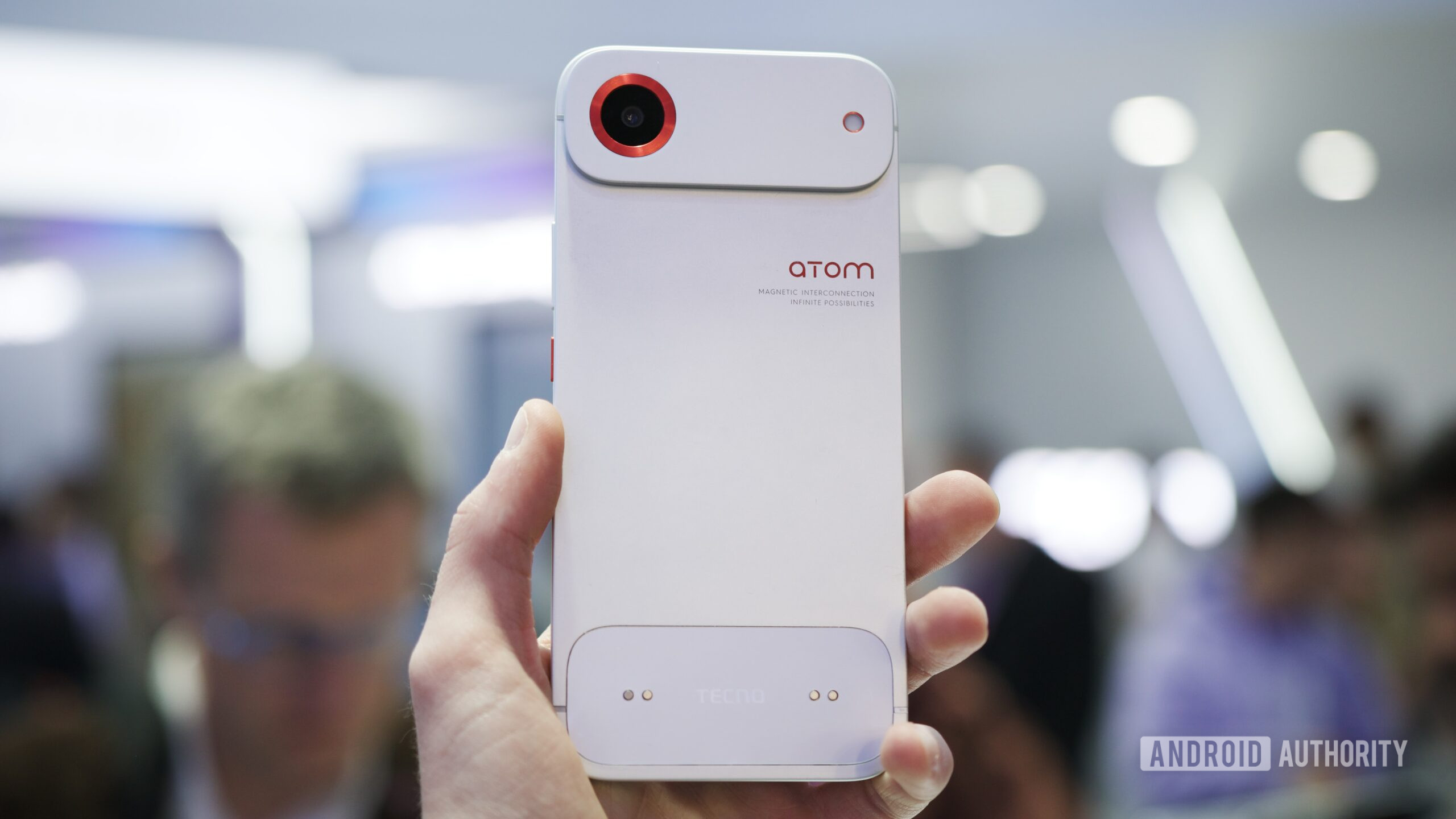
2025 was the year of thin smartphones, for better or worse. The Samsung Galaxy S25 Edge and iPhone Air tried to make the case for why we should care about ultra‑thin designs, but neither did anything interesting beyond reducing battery capacity and removing cameras. At MWC 2026, I found a new super‑thin phone that takes the thin form factor and actually gives it a purpose.
Design and Build
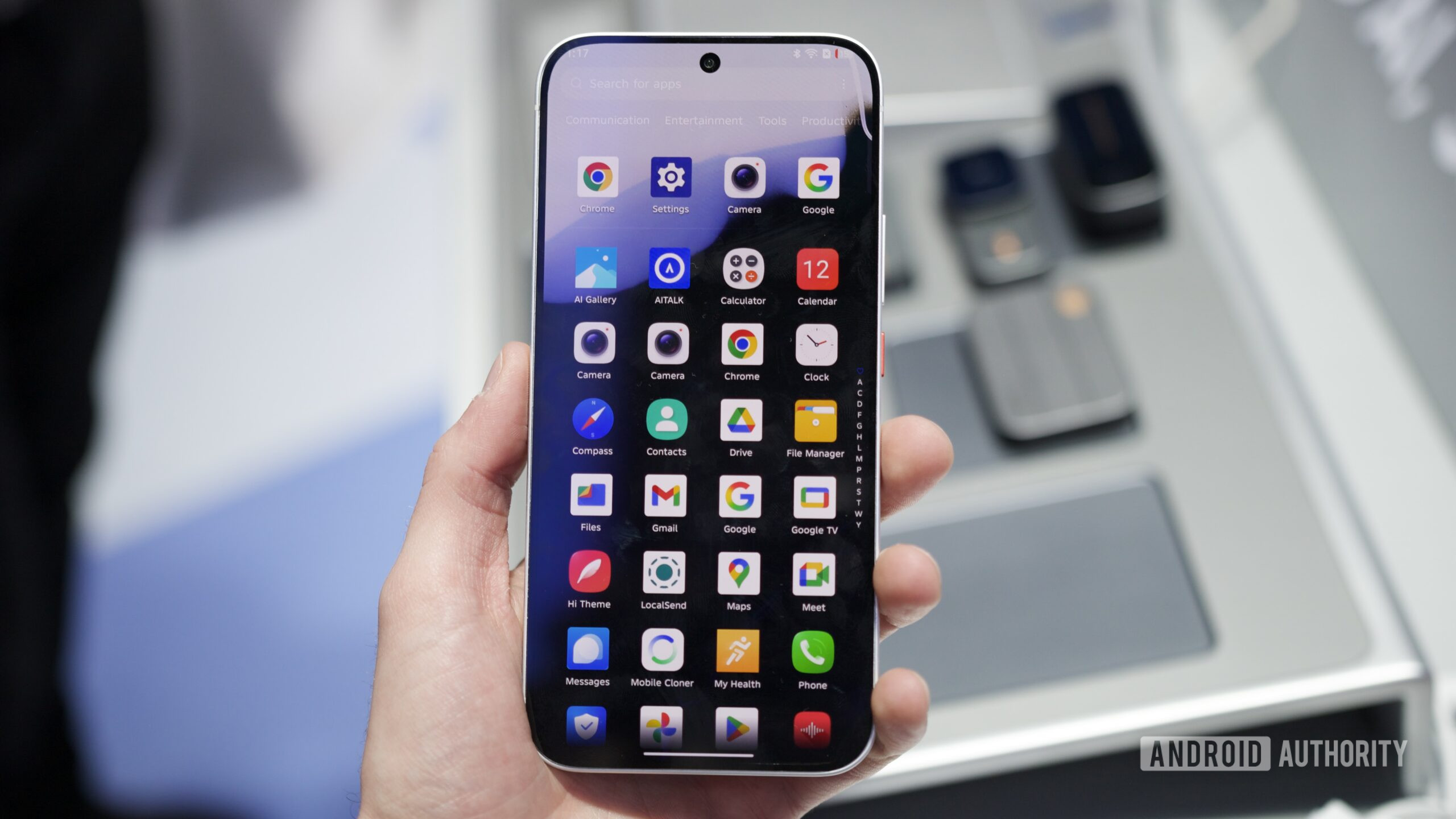
The phone comes from TECNO and, for now, is a concept device without a proper name. Visually it resembles the iPhone Air, with a camera bar at the top and similar sensor placement, but there are key differences:
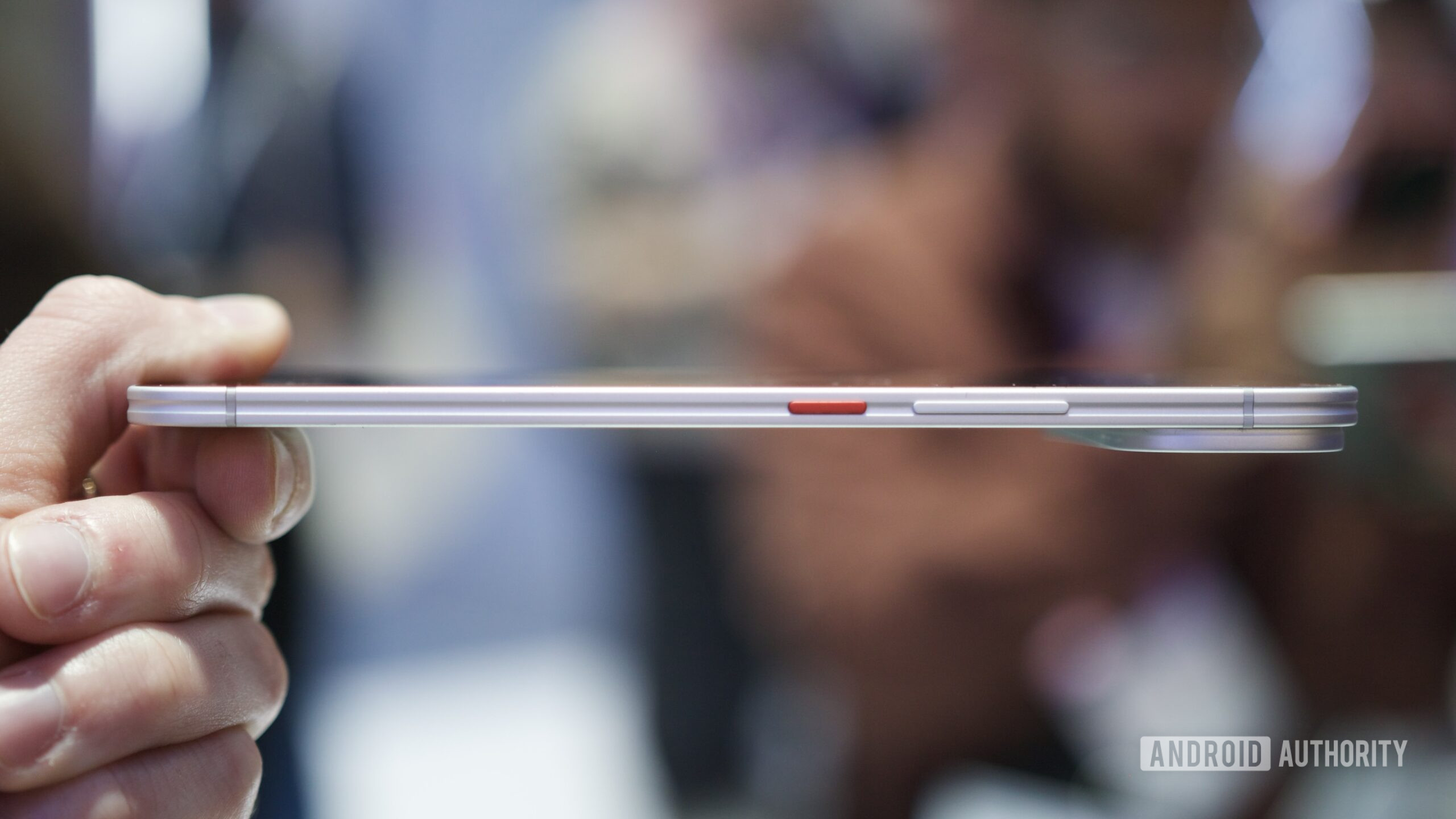
- Thickness: At just 4.9 mm thick, it is thinner than the 5.8 mm Galaxy S25 Edge and the 5.6 mm iPhone Air.
- Weight: The device feels almost weightless—lighter than the iPhone Air—yet it functions like any other Android phone.
- Port‑less: Because of its extreme thinness, there is no space for a USB‑C port or any other connector; the phone charges exclusively via wireless charging.
Joe Maring / Android Authority
Modular Magnetic Interconnection Technology
TECNO’s most intriguing feature is its modular system, which uses a magnetic attachment method called Modular Magnetic Interconnection Technology. A variety of modules can be snapped onto the back of the phone:
- Basic accessories: Wallet and kickstand modules.
- Battery packs: A 3,000 mAh module that can be stacked with another identical module for a combined 6,000 mAh boost.
- Camera modules: Additional sensor and lens units, including telephoto and action‑camera options, each with their own buttons.
These modules add functionality without significantly increasing bulk—something that even Apple’s MagSafe or Google’s Pixel Snap accessories struggle to match. The ability to swap camera sensors, for example, goes far beyond the capabilities of current magnetic accessory ecosystems. Future possibilities could include modules that add extra storage or RAM.
Joe Maring / Android Authority
Outlook
It’s important to note that TECNO’s phone remains a concept. It may eventually become a commercial product, or it may stay as a design study. Regardless, it offers an exciting glimpse into what the company is exploring for the future. After a brief hands‑on experience, the potential of a ultra‑thin, modular Android device feels compelling, and I look forward to seeing how TECNO—or any other manufacturer—might bring such ideas to market.