
Here’s why Sonos killed its Google TV Streamer competitor
Source: 9to5Google
Background
Sonos’s sitting CEO, Tom Conrad, explains why the rumored streamer codenamed “Pinewood” never made it to production. Even if it had, it was supposedly going to cost four times as much as competing devices.
In an interview with Bloomberg, Conrad discusses Sonos’s current offerings after a rocky couple of years marked by a failed app rollout that left speakers and other products with bugs and experience‑breaking issues.
The Pinewood Streamer Project
The project, dubbed Pinewood, was intended to be a competitor to Apple TV and Google Chromecast, offering a streamlined streaming experience with deep integration into Sonos’s ecosystem. Early reports suggested:
- A release window in mid‑2025.
- Pricing between $200–$400, positioning it as a premium device.
- Compatibility with proprietary Sonos speakers and soundbars without the need for additional cabling.
- Functionality as an eARC device for transmitting audio from consoles and other sources.
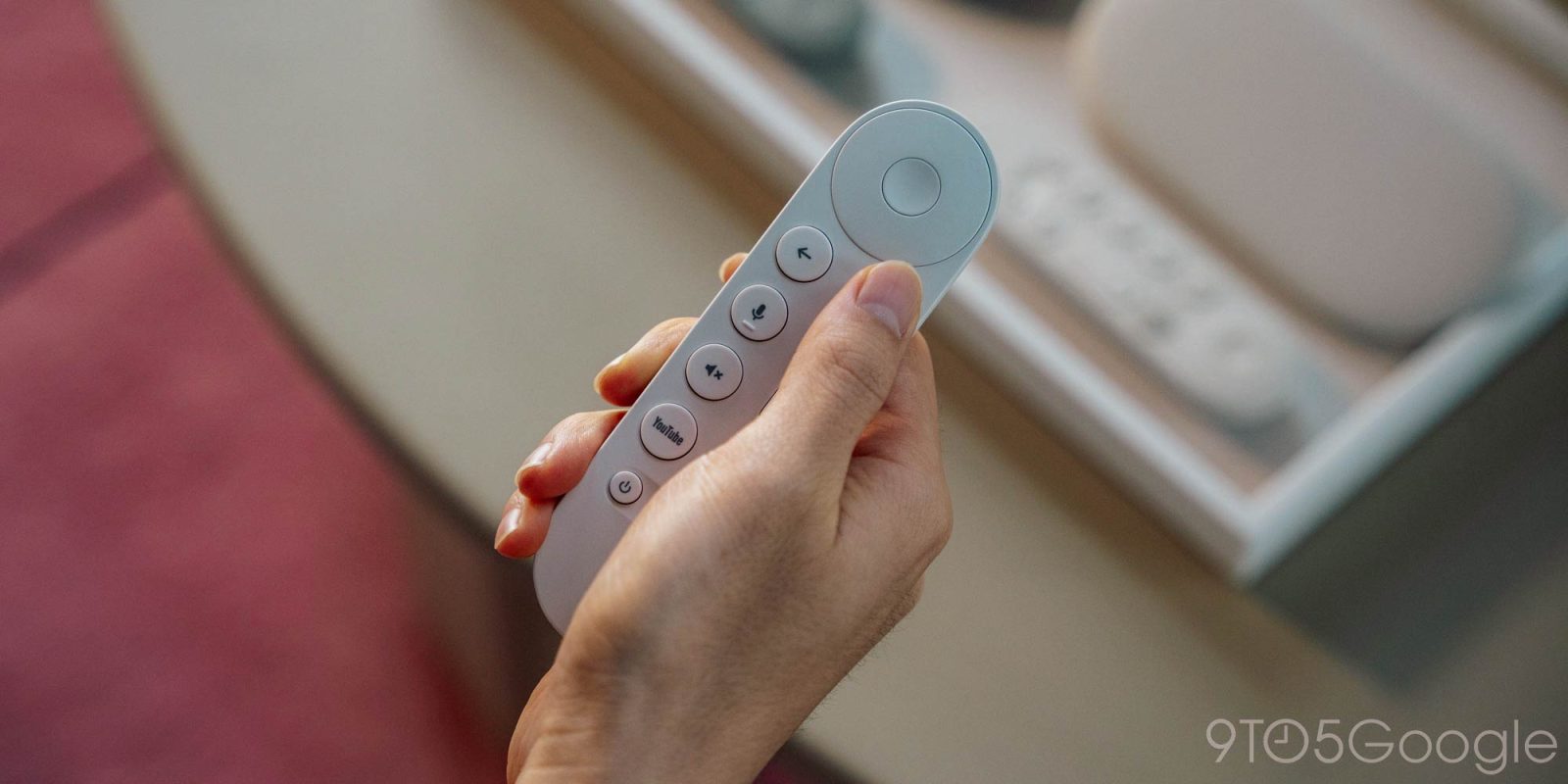
For context, the Google TV Streamer (4K) retails for $99, while the Nvidia Shield 4K launched at $199.
Why Sonos Cancelled Pinewood
According to Conrad, several factors led to the decision to dismantle the streamer project:
- Staffing limitations: The team needed to complete Pinewood was never fully assembled, and the set release date became unattainable.
- Strategic refocus: New, simpler software and hardware groups were created to prioritize quality across Sonos’s existing product line.
- Resetting expectations: The company wanted to “execute it well” rather than launch a half‑finished product, so the project was axed in favor of a broader company reset.
What’s Next for Sonos
Despite the cancellation, Sonos appears to be on an upward trajectory. The company recently announced a new $300 portable speaker (9to5Google article), which aligns with its refreshed product portfolio.
H/T 9to5Mac
FTC: We use income‑earning auto affiliate links. More.