
Hard drive pricing in the UK is so high saomeone flew to the US to buy drives, saving money despite flight and hotel costs — HDD deal seeker saved more than $2,000 by taking a trip
Source: Tom’s Hardware
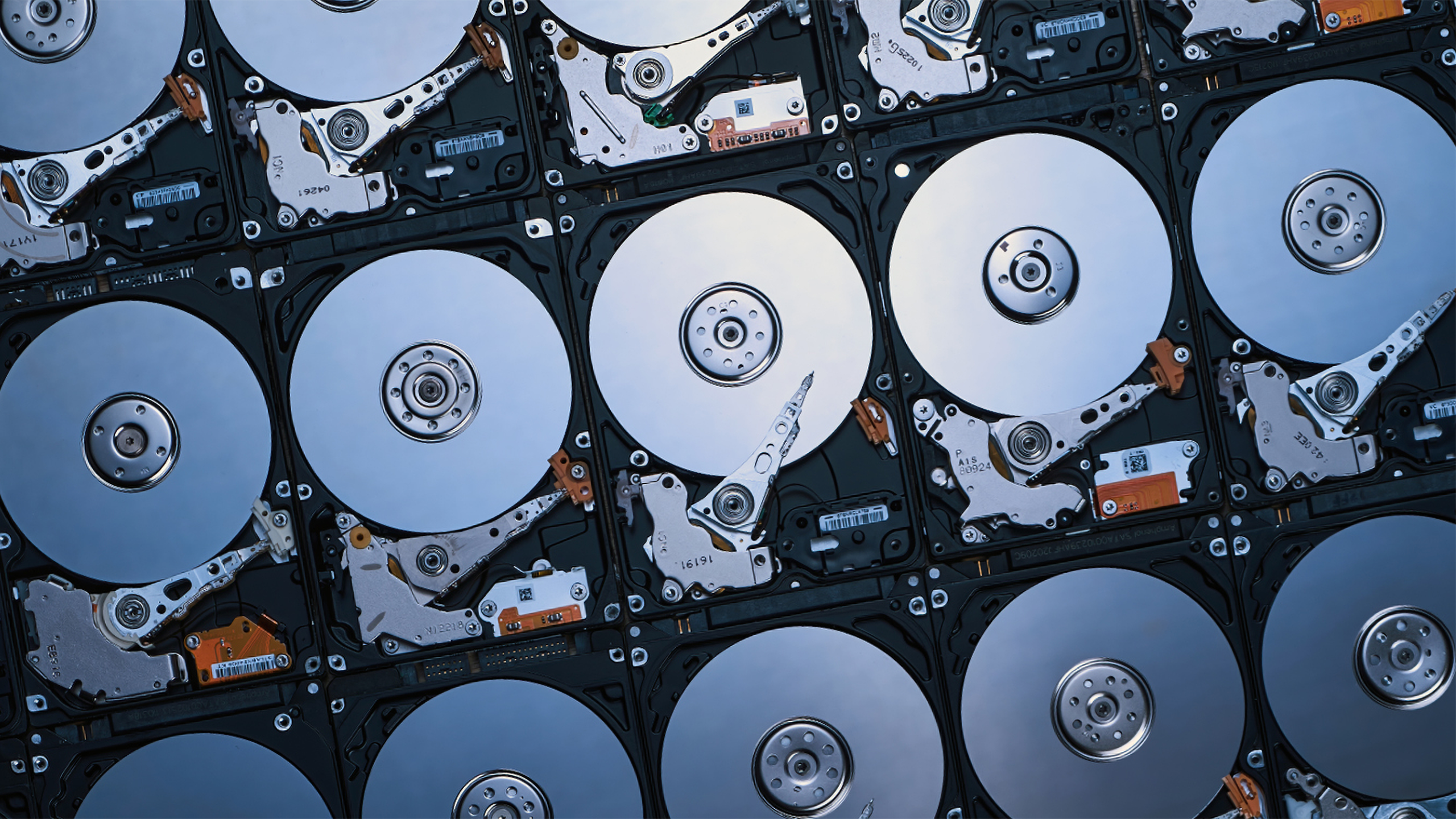
Image credit: Western Digital
Overview
A Reddit user on the r/DataHoarder subreddit shared how they saved money on hard drives by flying to the United States instead of buying them in the United Kingdom. After monitoring the price of 28 TB drives in the UK and seeing them rise, they decided to purchase ten drives in the US after New Year’s. Because Best Buy and B&H Photo each limit purchases to five drives, the user bought five from each store, then booked a flight and a hotel in New York.
Original Reddit post: Decided to fly to the US to buy some hard drives (r/DataHoarder)
Price Comparison
We checked Amazon listings for the Seagate IronWolf Pro 28 TB HDD in both regions:
| Region | Price (per drive) |
|---|---|
| United States | $609.99 – Amazon.com |
| United Kingdom | $980.46 – Amazon.co.uk |
Sources:
- US listing:
- UK listing:
The price gap exceeds $370 per drive, which translates to a potential saving of $3,700 for ten drives.
Travel Costs & Net Savings
- Round‑trip flight (London Heathrow ↔ JFK): < $700
- Four‑night hotel near JFK: ≈ $700
- Pocket money & incidentals: $300
Total travel expense: ≈ $1,700.
Even after accounting for travel, the net saving is roughly $2,000. The Redditor noted they redeemed points for both the flight and hotel, which would increase the actual savings.
Verification Process
To avoid scams, the user:
- Recorded serial numbers of each drive at purchase (Best Buy & B&H).
- Tested every drive in the hotel using SeaTools, CrystalDiskInfo, and file copy operations.
- Packed the ten drives (with foam inserts) in carry‑on luggage, while placing the original packaging in checked luggage for warranty purposes.
Market Context
Hard‑drive prices have risen sharply:
- Prices have surged by 46 % since Q3 of last year (Tom’s Hardware analysis).
- Western Digital reports its 2026 production capacity is already sold out (source).
Despite being slower than SSDs, HDDs remain essential for AI hyperscalers’ near‑line storage. SSDs can be up to 16× more expensive than HDDs for large‑scale deployments (Tom’s Hardware). This cost differential drives data centers toward HDDs, further tightening supply and raising consumer prices.