
Google shares how Android 17 is making everything run smoother
Source: Android Authority
TL;DR
- Google is introducing a new system in Android 17 to reduce the time software threads spend waiting for each other to complete.
- By revising how access to memory is temporarily locked, DeliQueue lets threads run with fewer interruptions.
- This could result in a 4 % reduction in apps dropping frames, or as high as 7.7 % across the Android system UI.
You may not even be consciously thinking about it, but you probably notice something is off when your Android phone isn’t running as smoothly as it could be. Swiping, navigating the system UI, and jumping between apps can feel a bit janky, with occasional frame drops that manifest as stuttering or less‑smooth scrolling. With Android 17, Google is introducing changes that aim to make this phenomenon less pronounced.
What is MessageQueue?
The Android Developer Blog explains that MessageQueue is a core component of the system that Android apps use to display their UI. Historically, software threads could temporarily lock the queue while they worked with it. This locking could cause one thread to wait longer than necessary for another to release the lock, leading to missed deadlines and dropped frames.
DeliQueue – a lock‑free solution
Google’s answer is to transition MessageQueue to a lock‑free data structure. The new system, called DeliQueue, supports far more granular restrictions on specific memory locations rather than locking the entire queue.
“This is like pulling a ticket at a deli counter – your number is determined by when you showed up, but the order you get your food in doesn’t have to match.”
By avoiding a single‑thread‑at‑a‑time lock, threads no longer have to sit idle waiting for others to release the lock. This reduces bottlenecks that cause janky, stuttering performance.
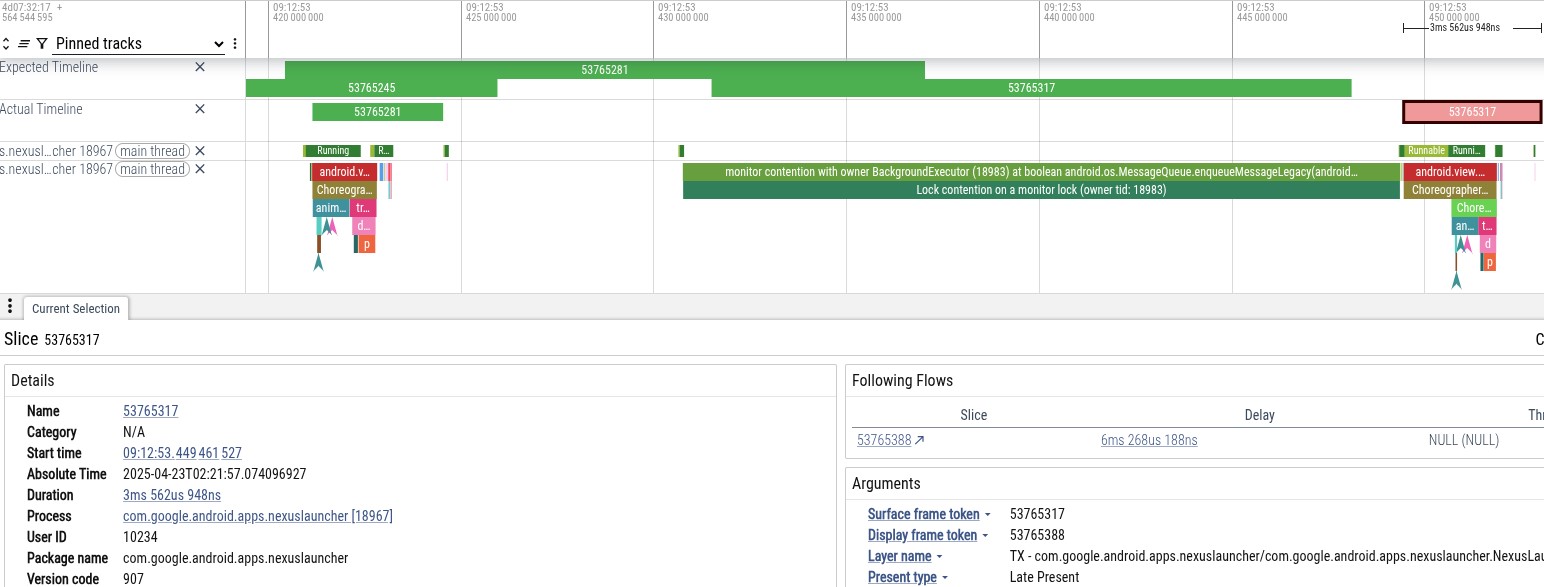 Anatomy of a dropped frame.
Developers will still need to test their apps to ensure compatibility with DeliQueue, but Google has already performed extensive testing and fixed the two bugs that surfaced during that process.
Expected performance improvements
In Google’s internal tests, the new lock‑free queue delivered:
- 4 % reduction in missed frames for apps.
- 7.7 % reduction in missed frames for the system and launcher UI.
While the gains are modest, they represent a step forward in overall responsiveness, and users may also notice slightly faster app start‑up times.