
Galaxy S27 Ultra without a 3x camera would be a hard skip for photographers
Source: Android Authority
Samsung Galaxy S27 Ultra – Will It Drop the 3× Zoom Camera?
According to a new report, next year’s Samsung Galaxy S27 Ultra might drop the lackluster 3× zoom camera (source), moving the flagship to a triple‑camera system instead of the long‑running quad‑array that Ultra flagships are known for.
With the extra space, Samsung is reportedly revamping its main sensor with a variable‑aperture design while doubling down on a 5× lens that will sport its own 200 MP sensor.
Sounds reasonable on paper, but this rumor has me more than a little concerned.
While Samsung’s 3× telephoto has never been a must‑have feature, many reviewers agree that today’s 3× lenses are among the best tools on the best camera phones list.
Would Samsung be right to drop 3× zoom from the Galaxy S27 Ultra?
12 votes
What the competition is doing
All three phones bundle a large 200 MP primary sensor with a 3× telephoto lens that offers:
- Wide apertures and OIS
- Excellent portrait compression and blur
- Strong detail at moderate distances
- Better macro performance than ultrawide lenses
- Solid low‑light results
The Android Authority team has been impressed by the results from these 3× shooters, and they consistently produce “wonderful‑looking” portraits and versatile framing options.
Why a single 5× lens may not be enough
- Focal‑length gap: A 120 mm (5×) lens sits in a “no‑man’s land.” It’s too narrow for natural‑looking portraits (ideally 35–70 mm) and not long enough for true wildlife or sports photography, which often starts around 200 mm (≈10×).
- Missing utility: The space between the main/wide 22 mm camera and a 120 mm 5× lens leaves a noticeable gap in versatility.
- Pixel Pro experience: Even with Google’s computational photography, the jump from 1× to 5× on the latest Pixel Pro models feels jarring—portraits lose natural blur and fine detail.
Crops from higher‑resolution sensors can look decent, but they don’t replicate the compression you get from a true focal‑length lens.
The case for keeping a 3× lens
- Portraits: 3× lenses provide natural compression and pleasing bokeh that a 5× lens cannot.
- Medium‑distance detail: They capture more detail than the main camera without the extreme narrowness of a 5× lens.
- Low‑light performance: Modern 3× telephotos (e.g., on the OPPO Find X9 Ultra) outperform many 5× units in HDR and night‑mode scenarios.
Bottom line
A triple‑camera setup that includes a dedicated 3× telephoto still offers the most balanced shooting experience across portrait, macro, and medium‑distance use‑cases. Dropping it in favor of a single powerful 5× lens would create a noticeable utility gap that even 200 MP sensors may struggle to fill.
If Google’s computational tricks can’t bridge the quality gap between 1× and 5× on a modest triple‑camera system, it’s hard to imagine Samsung pulling it off with just a 5× lens—even with a 200 MP main sensor.
Betting on the Wrong Horse
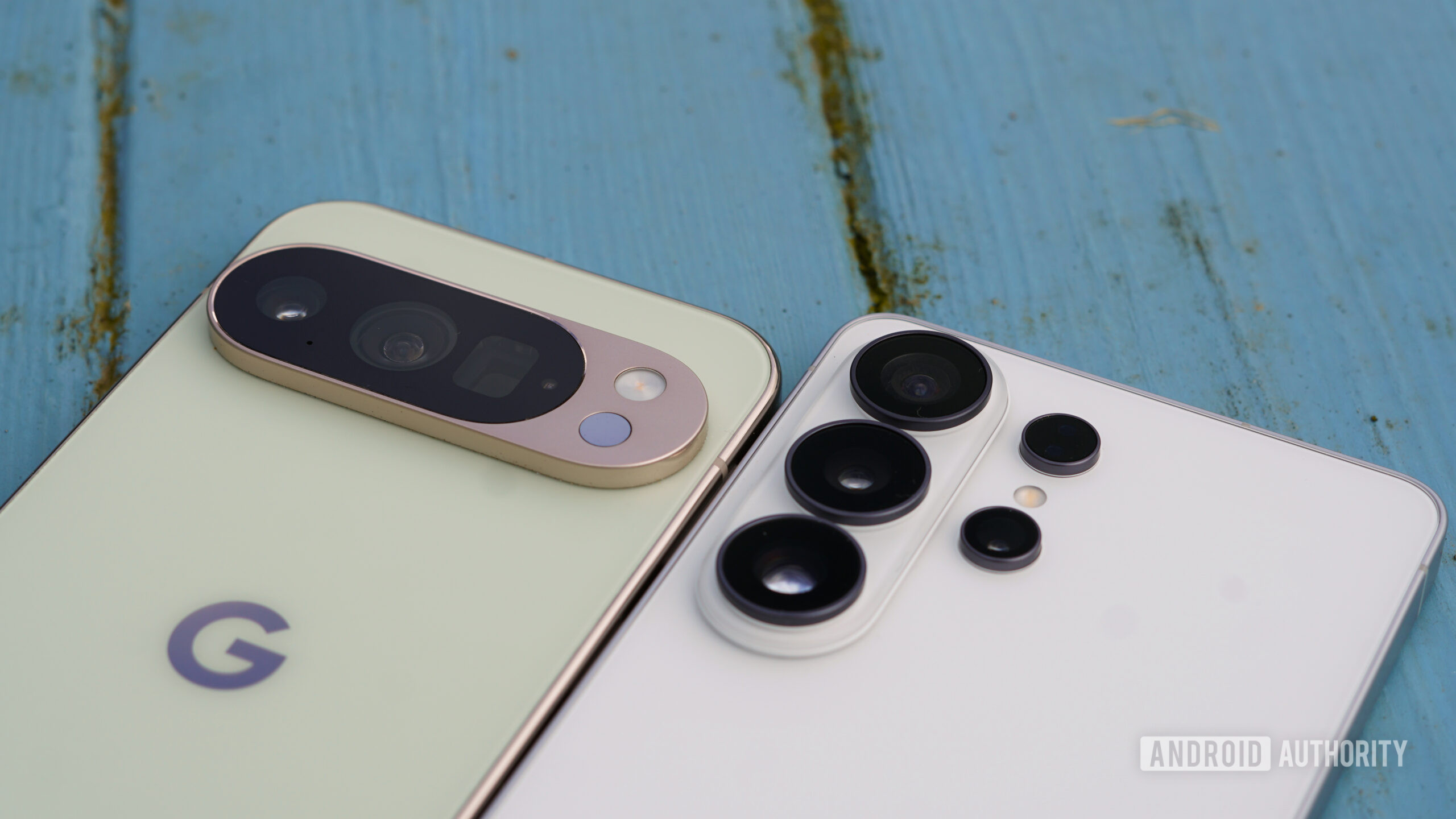
Zac Kew‑Denniss / Android Authority
This brings me back to my initial concern: as welcome as an enhanced main camera and improved 5× zoom would be for the Galaxy S27 Ultra, it feels like the wrong bet to make given what the best in the business can currently do with a powerful 3× camera. Photography is about much more than pristine megapixels, white‑balance, and HDR—yet those seem to be the Google and Samsung mantras.
Granted, cropping in from 50 or even 200 megapixels of data technically allows you to reach 2× and even 4× levels of zoom with “lossless” 12 MP output, but that comes with caveats:
- You lose the benefits of pixel‑binning, meaning more noise, worse HDR, and less detail as you discard pixel data.
- The camera is still shooting through the same optics, with the same depth‑of‑field and background‑compression settings as at 1×, resulting in flatter, busier images that make it harder to be truly creative.
A great camera lets the photographer get the most out of whatever they’re shooting—portraits, landscapes, a gig, or even pets. For that, you need the right focal lengths, along with solid hardware and software foundations. 200 MP crops just can’t beat the look of natural optical zoom.
What I’d Prefer
- A more modest main sensor.
- Possibly ditch the dubious ultrawide lenses.
- One powerful camera closer to the 50 mm sweet spot.
Don’t just take my word for it—look at any recommendation for the first lens a budding photographer should buy for a new mirrorless system. The consensus always points to:
- A nice 35 mm prime, or
- An 18‑70 mm variable zoom.
Why? Because these focal lengths are the most versatile and true‑to‑life for everyday shooting.
So, no—I’m not convinced that the Samsung Galaxy S27 Ultra dropping its rightly mocked 3× telephoto would be as good as it might seem. It would be far better to double‑down and build the best 3× camera that modern technology can offer. I hope the rumor is wrong.
Follow
Thank you for being part of our community. Please read our Comment Policy before posting.