Driven: The 2026 Lamborghini Temerario raises the bar for supercars
Source: Ars Technica
Source: Ars Technica
Lamborghini Temerario – First Look
It’s a PHEV!
The new V8‑hybrid Lamborghini delivers more than 900 hp, replacing the V10‑powered Huracán.
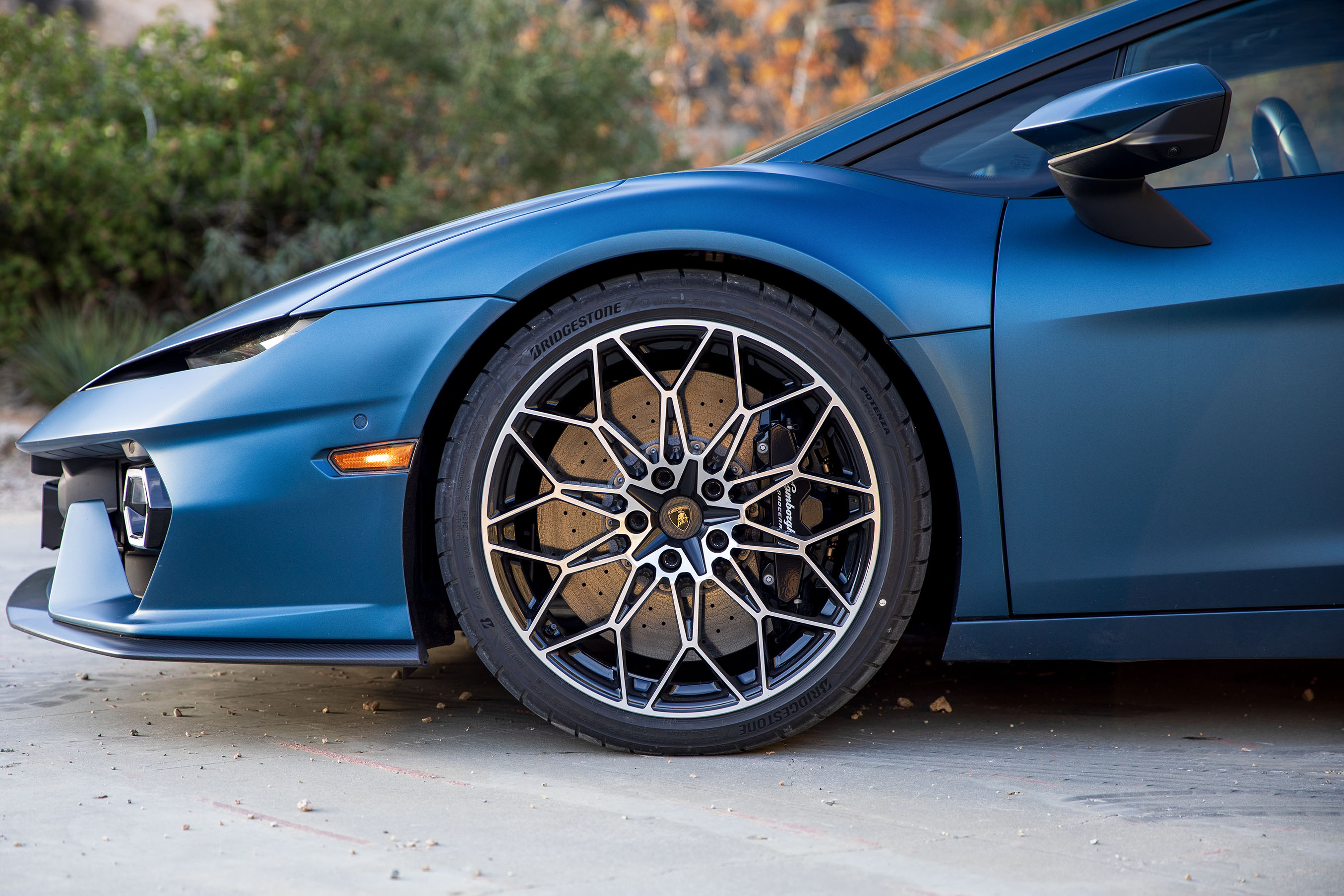
Credit: Bradley Iger
While mainstream models receive comprehensive updates every few years, low‑volume exotics evolve more gradually. Supercar platforms often stay unchanged for a decade or more, with manufacturers tweaking aerodynamics, suspension, and interior details to keep the lineup fresh. Occasionally, a model arrives that truly earns the “all‑new” label – the Lamborghini Temerario is one of those rare cases.
As the successor to the Huracán, Lamborghini’s best‑selling sports car to date, the Temerario has big shoes to fill. At first glance it may appear more subdued than its predecessor, but the Huracán itself debuted in a similar fashion before the more extreme STO and Sterrato variants arrived.
“The streamlined look is intentional. We aimed to increase downforce by more than 100 % compared with the Huracán Evo through the car’s core design, rather than relying on large wings, splitters, and other racy aerodynamic bits. Designers were tasked with creating an all‑new car that is distinctive yet instantly recognizable as a Lamborghini.”
— Frederick Foschini, Lamborghini sales chief (technical briefing, late 2025)
Size and Structure
The Temerario is longer, wider, and taller than the Huracán it replaces. It sits on a new all‑aluminum spaceframe that is over 20 % stiffer than the previous chassis. The increased dimensions translate into noticeably better head‑ and legroom. At 6 ft 3 in (1.9 m), I could position my seat comfortably with a helmet on during a rainy track session at Sonoma Raceway in November, with headroom to spare.
Ergonomics and Controls
Lamborghini has taken a more pragmatic approach to the cockpit layout, echoing the Revuelto’s philosophy of placing most‑frequently used functions on the steering wheel. The dense array of buttons and knobs may look overwhelming at first, but once you become accustomed to them, having everything within reach—and operated by tactile switches rather than capacitive surfaces—helps keep your focus on the road.
Bradley Iger
The Temerario represents a significant step up in both price and performance, but its refined aerodynamics, increased interior space, and driver‑focused ergonomics make it a compelling evolution of Lamborghini’s flagship sports car.
The Hybridized Bull
The star of the show – and arguably the most controversial element of the Temerario – is its all‑new powertrain. While the Huracán was motivated by a naturally aspirated V10, the Temerario gets its propulsion from a 4.0 L twin‑turbocharged DOHC dry‑sump V8 that revs to a searing 10,000 rpm.
An axial‑flux electric motor is sandwiched between the flywheel and the eight‑speed dual‑clutch gearbox. Combined with two additional electric motors that power the front wheels, the total system output is a healthy 907 hp (676 kW) and 538 lb‑ft (730 Nm) of torque.
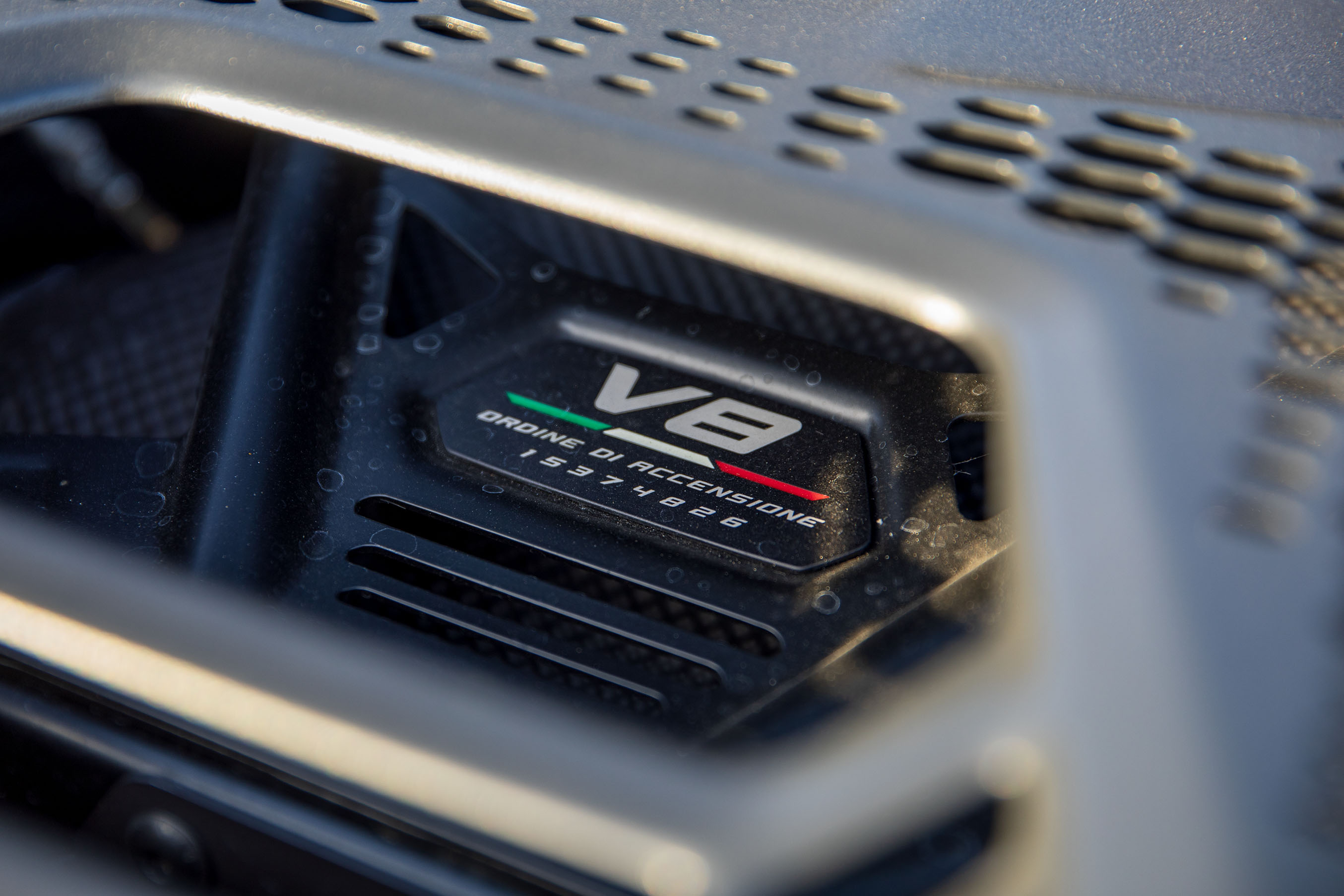
Credit: Bradley Iger
A 3.8 kWh lithium‑ion battery mounted in the central tunnel of the spaceframe powers the electric motors and provides about six miles (10 km) of all‑electric range. It can be recharged in roughly 30 minutes on a Level 2 charger, but the hybrid system is designed to capture energy from the internal combustion engine and regenerative braking, so owners won’t need to plug in very often, if ever.
The sophisticated setup adds some heft: Lamborghini cites a dry weight of 3,726 lb (1,690 kg), about 600 lb (272 kg) more than the Huracán Evo. Additional mass is never a welcome development for a sports car, but to the automaker’s credit, Lamborghini has done a truly commendable job of hiding it.
Although I had originally planned to drive the Temerario exclusively on track at Sonoma, heavy rain forced us to scrap that idea after a slippery autocross session and a few harrowing laps around the course. To make up for the false start, Lamborghini graciously provided me with a Blu Marinus example for a few days at my home in Los Angeles. While the dry‑weather seat time reinforced the notion that you really do need to get this thing on a racetrack to see what it’s capable of, I was pleased to find it’s not a one‑trick pony.
It’s Not a Dumb Beast
As with the Revuelto, the Temerario defaults to Città (Italian for “city”)—its all‑electric drive mode—each time it’s started. This makes pressing the jet‑fighter‑style start/stop button less exciting than it was in the Huracán, but it gives the Temerario an element of stealth that its predecessor never had.
Drive‑Mode Overview
- Total drive modes: 13
- Main modes (4):
- Città – pure electric, city‑focused
- Strada – mixed‑mode for everyday driving
- Sport – performance‑oriented, still hybrid‑friendly
- Corsa – track‑ready, maximum output
Each main mode can be augmented via the EV knob on the upper‑right side of the steering wheel:
| Main Mode | EV‑Knob Options | Description |
|---|---|---|
| Città | Recharge, Hybrid | Pure electric or assisted hybrid operation |
| Strada | Recharge, Hybrid | Balanced efficiency with occasional ICE assistance |
| Sport | Recharge, Hybrid, Performance | Performance unlocks the full 907 hp output |
| Corsa | Recharge, Hybrid, Performance | Performance unlocks the full 907 hp output |
- Recharge – prioritises battery replenishment while driving.
- Hybrid – blends electric torque with ICE power for smoother acceleration.
- Performance – available only in Sport and Corsa; it maximizes the hybrid system and releases the full 907 hp.
Driving Experience
- The Temerario can reach highway speeds on electricity alone, but the experience is leisurely rather than exhilarating.
- Front‑motor torque may struggle on moderately steep hills, often causing the internal‑combustion engine to kick in.
- Because the ICE has its own warm‑up cycle, power‑train handoffs can feel less‑than‑graceful during these transitions.
“A Lamborghini’s cockpit should always look dramatic, and the Temerario does not disappoint.”
— Bradley Iger
How Is It on the Road?
Once all the systems are working together, the Temerario proves to be a surprisingly competent tourer. Improved ergonomics and a firm‑but‑forgiving adaptive suspension (softer setting) absorb highway bumps instead of bouncing over them. As impressive as the car is at handling everyday driving, everything feels like a prelude once you unleash it on a fast canyon stretch. Given room to stretch its legs, the V8 emits a superbike‑like snarl as the revs climb, and the sheer thrust of the powertrain makes chasing its 10,000 rpm redline feel like a test of bravery—even in lower gears.
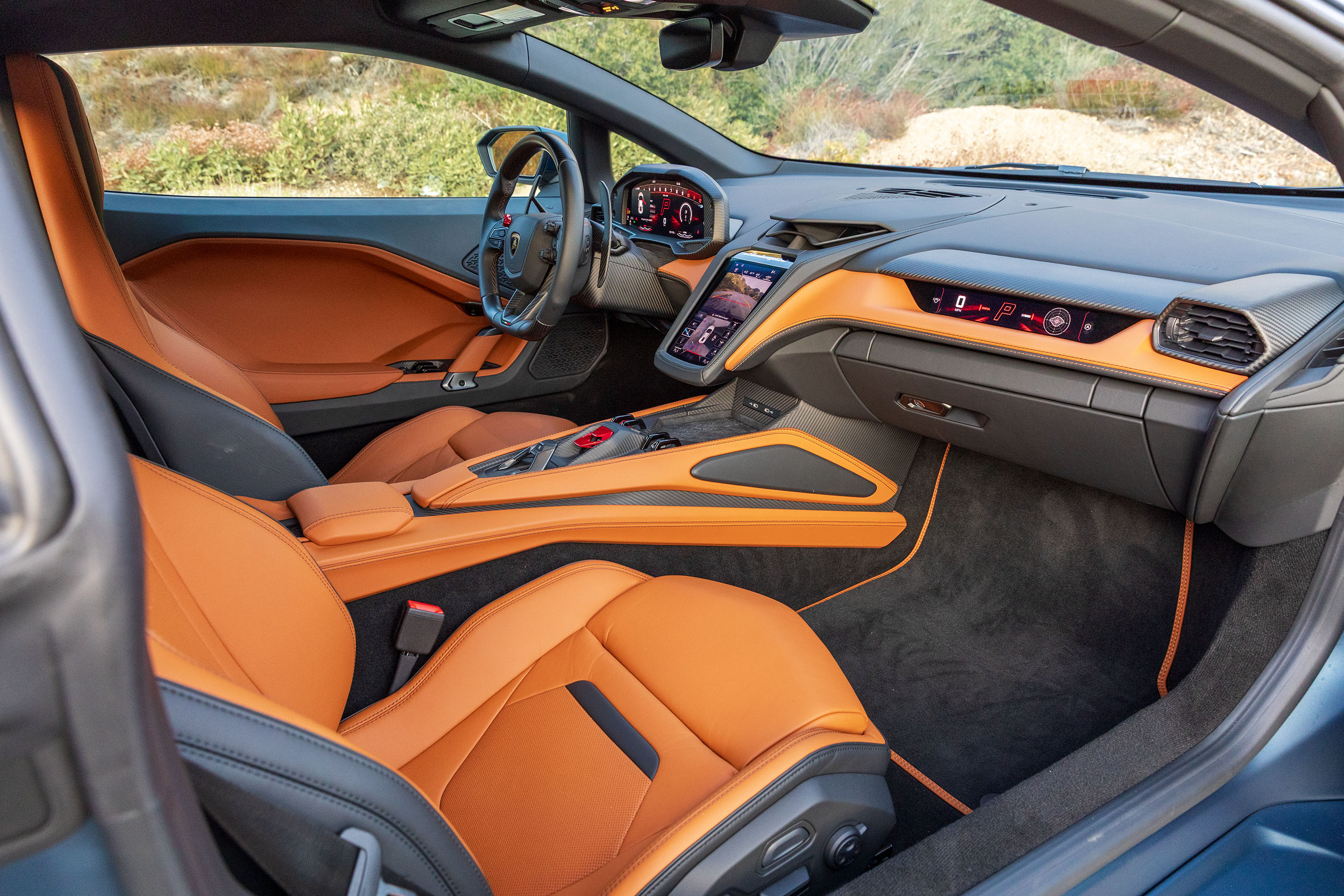
It’s a better road car than its predecessor. – Credit: Bradley Iger
The way this car piles on speed is stunning on its own, but it’s the accessibility—and how confidently it can maintain a pace—that truly sets it apart from the Huracán. It feels every bit as nimble as the Huracán, delivering relentless grip even on standard Bridgestone Potenza Sport summer tires, while the brakes—now using ten‑piston calipers instead of the Huracán’s eight—offer strong, repeatable stopping power at top speeds.
I did find myself occasionally wishing for more aerodynamic stability during these moments. Fortunately, for any would‑be Temerario owners who plan to track their cars regularly, Lamborghini offers the Alleggerita package. This add‑on includes:
- +67 % downforce versus the standard Temerario.
- Track‑ready tires – swaps the Bridgestone Potenza Sport for Bridgestone Potenza Race rubber.
- A raft of carbon‑fiber components for modest weight savings.
All this doesn’t come cheap. The Temerario’s base price of $389,554 (‑$486,721 as‑tested) represents a six‑figure jump over the last Huracán, and the Alleggerita package adds another $45,000 in its most basic form.
That’s a tall ask, especially when cars like the Corvette ZR1 offer similarly incredible performance for substantially less. Still, something tells me Lamborghini won’t have any problems moving its latest “entry‑level” model. Then again… have you seen the price of Bitcoin lately?
73 Comments