
Data center developers building private natural gas 'Shadow Grid' power plants to sidestep strained grids — off-grid GW Ranch project in Texas will reportedly use as much power as Chicago
Source: Tom’s Hardware
Image credit: Getty Images
The Rise of “Shadow Grid” Power Plants
Data‑center buildouts have repeatedly made headlines for their massive power needs, the strain they place on local grids, and the resulting rise in energy prices for nearby residents. Traditionally, connecting to the grid requires years of planning and approvals — a timeline that is impractical for companies racing to capitalize on the AI boom. To bypass these delays, many are building their own power generation, primarily using natural‑gas turbines.
This approach appears to be a win‑win: it relieves stress on the public grid and speeds up data‑center construction. However, the quick‑patch solution brings significant drawbacks, including increased carbon emissions and local pollution. The Washington Post has dubbed this phenomenon a “shadow grid,” which a report by energy‑tracking firm Cleanview says now includes at least 47 data‑center projects across the United States.
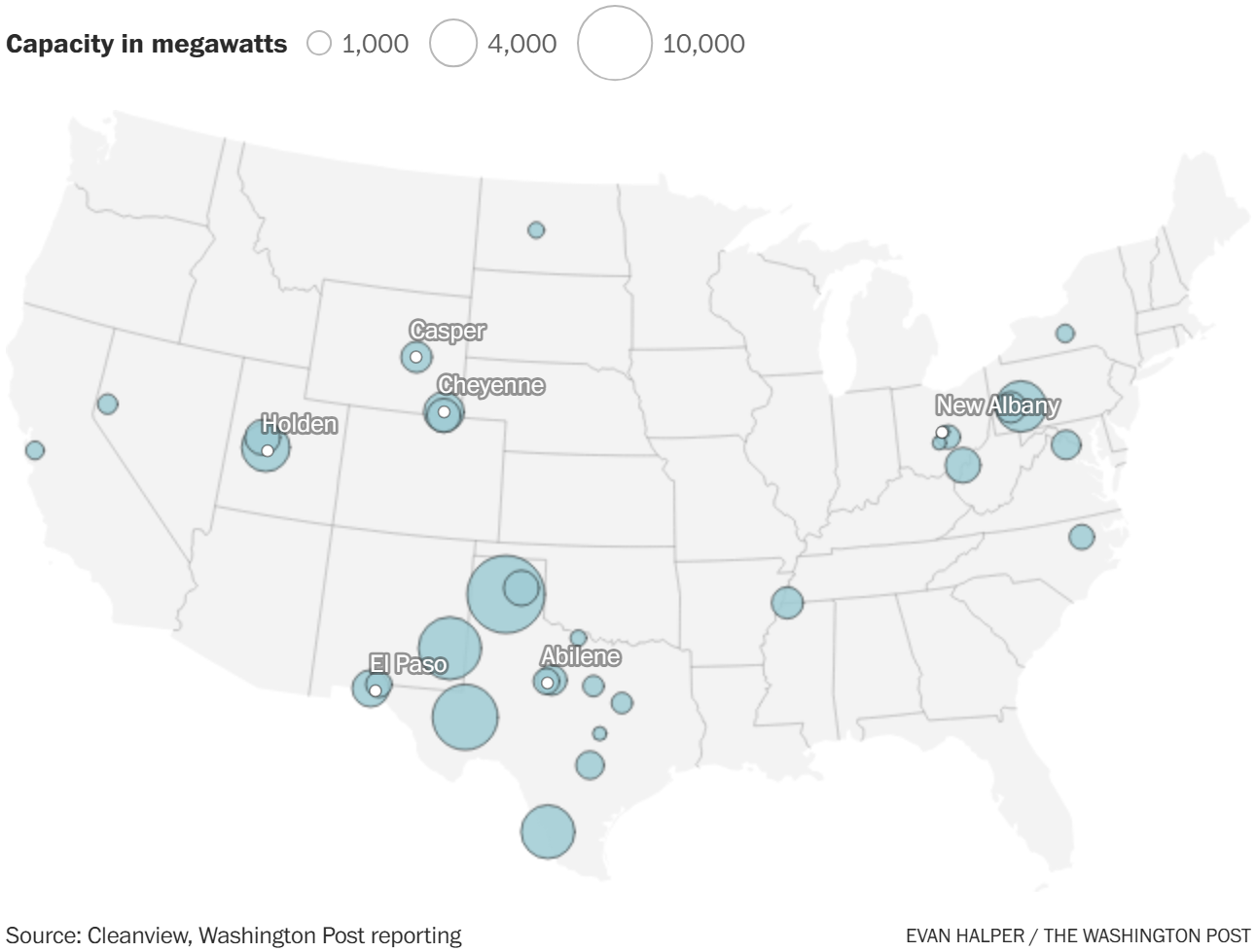
Image credit: Washington Post / Cleanview
Off‑Grid Projects in Focus
- GW Ranch (West Texas) – An off‑grid data‑center slated to consume as much electricity as the city of Chicago. The facility will combine natural‑gas turbines with solar panels to meet its demand.
- Mason County (West Virginia) – Projected gas demand is enough to power 1.5 million homes, with the potential to quadruple and eventually serve every household in the state. Cleanview’s Michael Thomas described this trajectory as “catastrophic for climate goals.”
Regulatory Landscape and Transparency Issues
- Some states have enacted legislation that permits off‑grid data centers by loosening rules on where power plants can be built and who may construct them.
- The sudden appearance of these plants has sparked frustration among local residents, who cite a lack of transparency and opaque negotiations. Many companies involved prefer to keep their identities off project filings.
Economic and Environmental Implications
- Even without direct environmental impacts, data centers can impose indirect costs on local utilities. AI‑driven projects often outbid utilities for equipment, leaving public grids to shoulder higher maintenance and expansion expenses.
- Gas turbines are already sold out through 2030, highlighting supply constraints that could affect future projects.
- While AI firms are investing in nuclear SMRs and fusion research, those technologies require longer development timelines, whereas the AI surge demands immediate capacity.
Operational Concerns
- Gas turbines cannot run continuously like data centers; they are estimated to be offline roughly one‑third of the time.
- Critics note that many projects rely on older, repurposed turbine units or on “dozens to hundreds of small generating units strung together,” which may be less reliable and efficient.