
AMD's next-gen Ryzen 10000 desktop CPUs rumored to come in seven different configs — Starting from 6 cores, flagship 'Olympic Ridge' silicon may feature up to 24 cores
Source: Tom’s Hardware
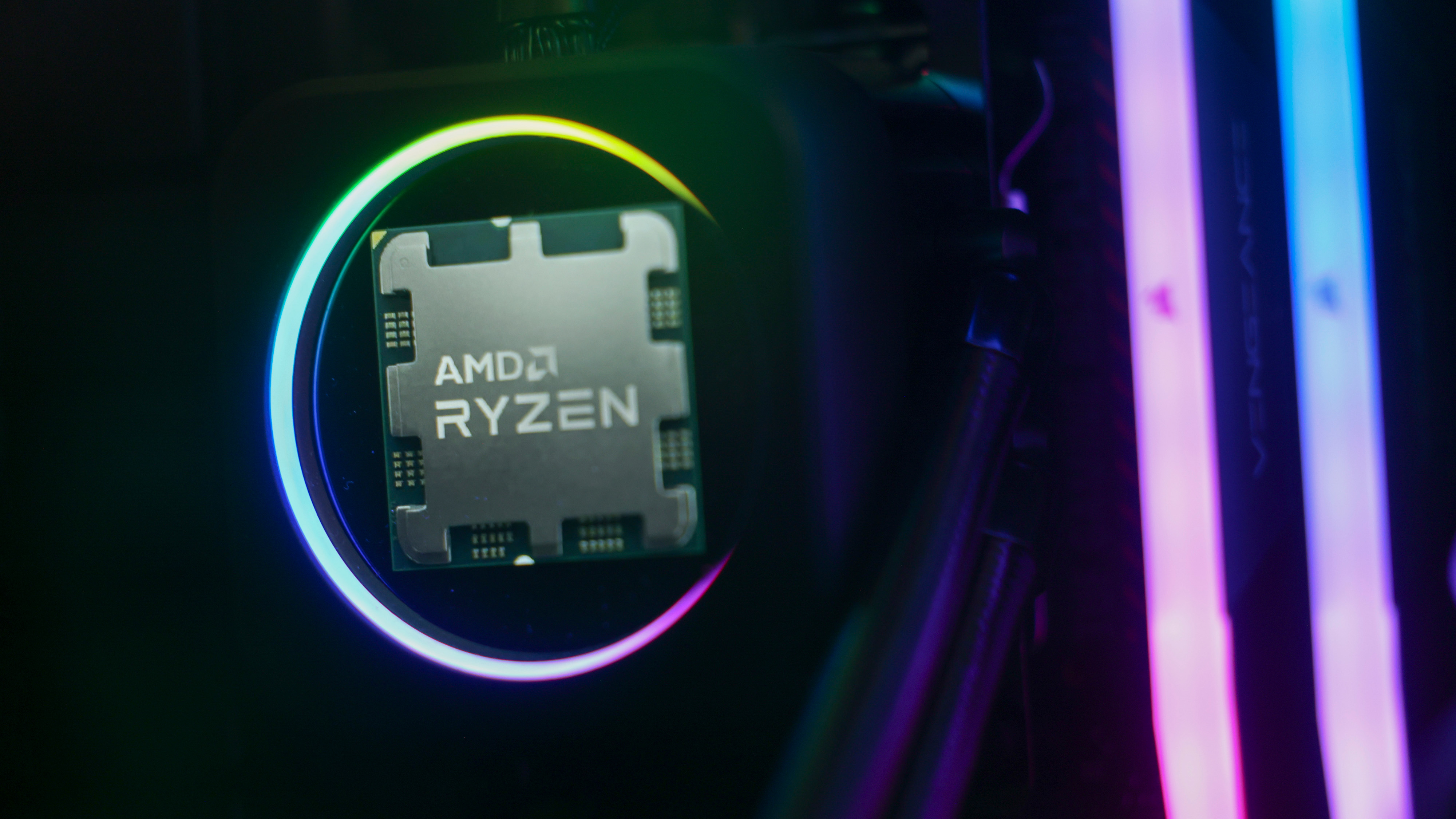
Image credit: Getty Images
Overview
Following the Ryzen 9000 series, AMD is expected to launch its next‑gen Ryzen 10000 desktop processors later this year. Codenamed “Olympic Ridge,” these CPUs will be built on the new Zen 6 microarchitecture and will continue to use the AM5 platform.
Core Configurations
Single‑CCD SKUs
- 6‑core
- 8‑core
- 10‑core
- 12‑core
Dual‑CCD SKUs (two chiplets)
- 16‑core (8 + 8)
- 20‑core (10 + 10)
- 24‑core (12 + 12)
This lineup marks the first time AMD will offer CCDs with more than 8 cores, expanding the maximum per‑chiplet core count to 12.
Cache and Performance
Each CCD is reported to contain 48 MB of L3 cache, which means a dual‑CCD flagship (non‑X3D) could feature up to 96 MB of L3. Historically, Ryzen’s highest‑end models topped out at 16 cores; the Ryzen 10000 series would raise that ceiling to 24 cores.
Comparison with Intel
Intel’s upcoming “Nova Lake” is rumored to include a 52‑core flagship SKU with up to 288 MB of bLLC across two tiles. Unlike AMD’s approach of keeping extra‑cache CPUs within the same product line, Intel appears to treat its high‑cache models as a separate offering.
Architecture and Platform
Zen 6 is expected to deliver IPC improvements and higher clock speeds while remaining compatible with the existing AM5 socket. This contrasts with Intel’s shift to a new platform for Nova Lake, which will require a new chipset and socket.
Note: Intel’s Arrow Lake refresh has not yet been released, and AMD has not officially announced the Ryzen 10000 series beyond the “Olympic Ridge” codename.
Related Links
- Rumor: AMD Zen 6 will feature 48 MB of L3 cache, keeping L3‑to‑core ratio the same as Zen 5
- Intel’s top‑end Nova Lake desktop CPU rumored to draw up to 700 W
- Intel’s new platform for Nova Lake chips leaked: up to 48 PCIe lanes and new 900‑series motherboards
- Arrow Lake refresh not yet out
- RAM prices continue to fall in Germany; SSDs and HDDs become more expensive