
All the reasons why Samsung doesn’t offer big upgrades for its phones
Source: Android Authority
Source: Android Authority
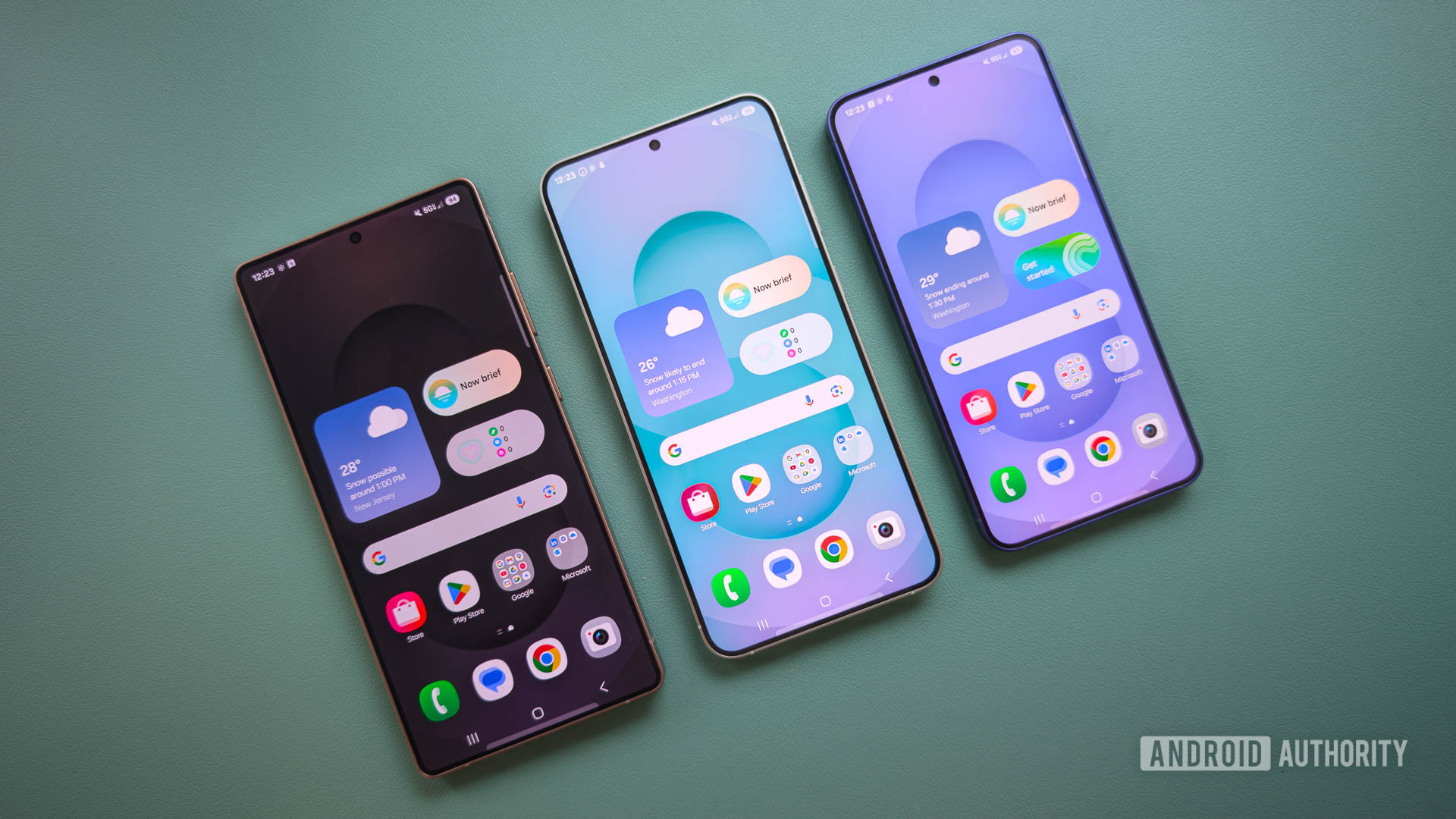
Photo credit: C. Scott Brown / Android Authority
Samsung is the most popular Android smartphone maker globally, but its flagship phones receive few hardware upgrades compared to rivals. Don’t believe me? The Galaxy S25 and S25 Plus have new processors, yet they offer the same charging and camera specs as the Galaxy S22 and S22 Plus. Even the Galaxy S25 Ultra merely adds a new processor, an ultrawide camera, and Gorilla Glass, while keeping the same battery and charging technology as its predecessors.
This can be frustrating for Samsung fans and general smartphone consumers, especially as manufacturers like Xiaomi, OPPO, Vivo, and OnePlus routinely offer exciting upgrades. With all of this in mind, we can consider a few reasons why Samsung seldom provides big upgrades for its phones.
Why do you think Samsung doesn’t offer big upgrades very often?
309 votes
1. Production Challenges
Photo credit: C. Scott Brown / Android Authority
Samsung ships more smartphones than any other Android OEM, and its flagship devices frequently appear in the top‑ten best‑selling smartphone lists. This massive volume creates a unique production challenge: the company needs an equally massive supply of components from its partners to build every device.
Because of this scale, Samsung cannot adopt a cutting‑edge part if its suppliers can only produce a limited quantity. The company is often forced to rely on tried‑and‑tested components that can be manufactured in huge numbers. This limitation may explain why we don’t yet see hardware upgrades such as:
- One‑inch camera sensors
- Variable telephoto camera modules (see the Sony Xperia 1 VII review)
- Other advanced, low‑volume parts
In short, the sheer size of Samsung’s production pipeline can constrain the adoption of the latest, low‑volume technologies.
2. Reliability or Safety Concerns
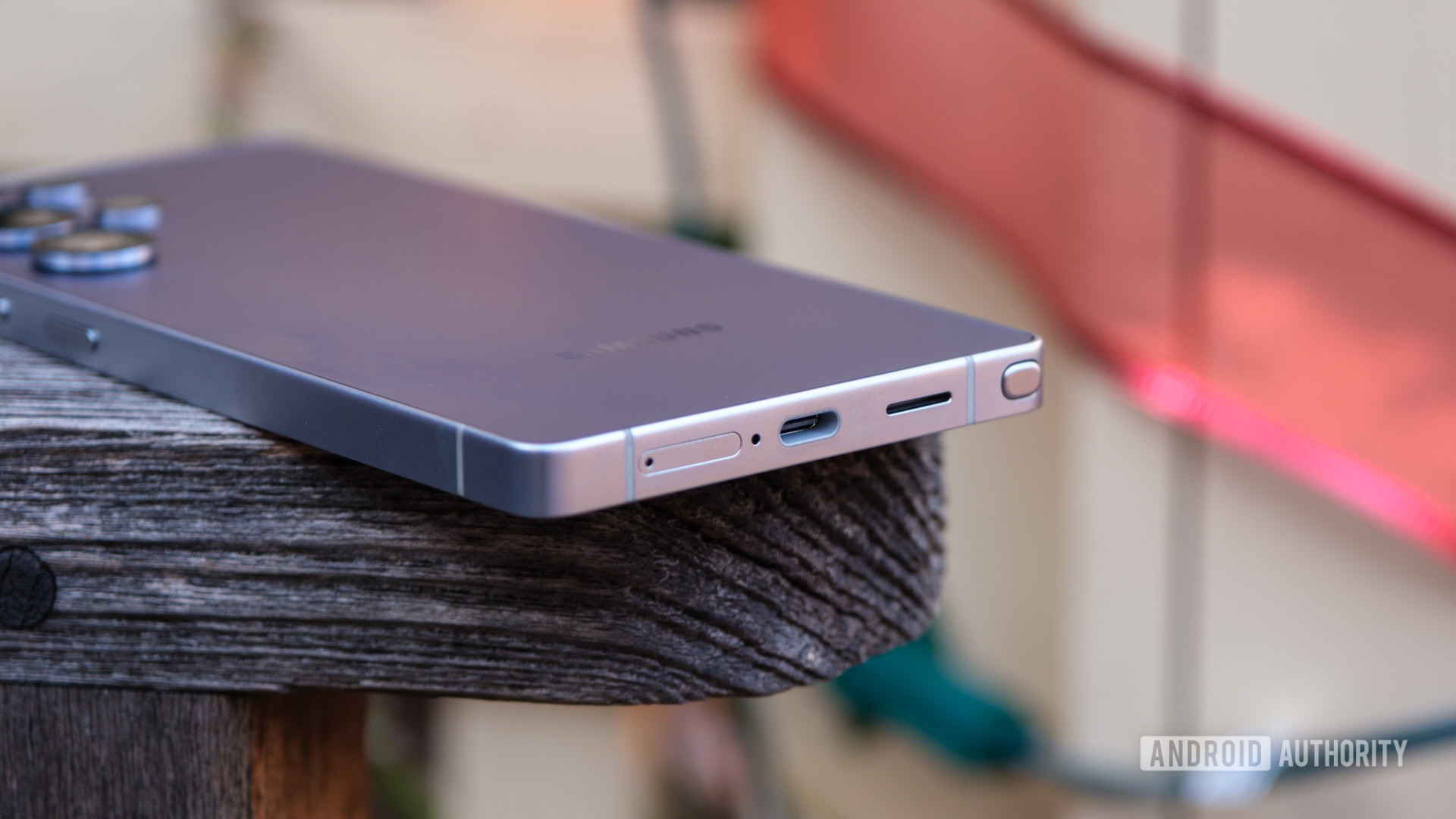
Photo credit: Ryan Haines / Android Authority
Past incidents
Samsung’s caution stems largely from the 2016 Galaxy Note 7 debacle, where defective lithium‑ion cells caused phones to overheat and catch fire. The issue was severe enough that many airlines banned the device from their flights.
Samsung’s current battery strategy
Because of that experience, Samsung tends to play it safe with battery upgrades:
- The Galaxy S25 Ultra retains the same 5,000 mAh battery used in the Galaxy S21 Ultra.
- The base Galaxy S line has seen only modest increases, moving from a 3,700 mAh pack in the S22 to a 4,000 mAh pack in the S25.
How rivals differ
Chinese competitors often adopt silicon‑carbon batteries, which can deliver more capacity in the same physical space (or the same capacity in a smaller package). Examples include:
- OnePlus 15 – 7,300 mAh battery
- OPPO Find X9 Pro – 7,500 mAh battery
These batteries typically degrade faster than Samsung’s traditional lithium‑ion cells, but they still compare favorably with the battery technologies used by Apple and Google.
References
- Silicon‑Carbon Batteries Explained – Android Authority
- OnePlus 15 Review – Android Authority
- OPPO Find X9 Pro Hands‑On – Android Authority
3. Profit‑margin concerns
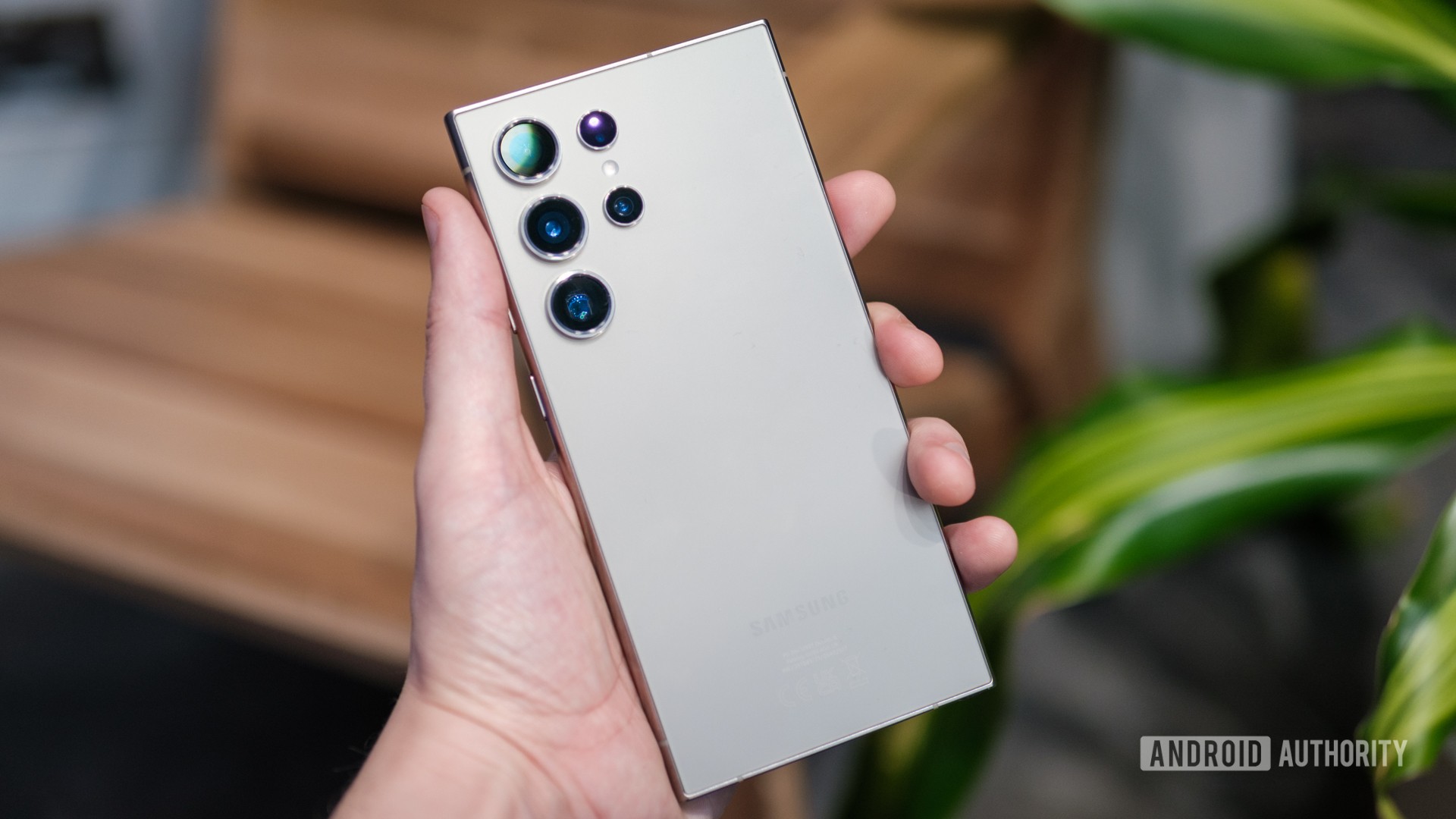
Samsung’s reluctance to deliver major upgrades for its flagship phones is largely driven by profit considerations. Newer components are more expensive, so the company often sticks with older, cheaper parts to protect its margins. This isn’t surprising—Samsung is, after all, a business.
Evidence of profit‑driven decisions
- Camera specifications – While rivals now ship flagships with 3× 50 MP periscope cameras, the Galaxy S25 and S25 Plus still use an aging 3× 10 MP sensor.
- Feature segmentation – The base Galaxy S model omits premium features such as 45 W wired charging and Gorilla Armor protection, which are reserved for the more expensive Ultra variant.
- Telephoto omission on mid‑range – Samsung’s Galaxy A series lacks telephoto lenses, nudging users toward the pricier S line if they want that capability.
Context
Industry observers, including leaker Ice Universe, point to mobile chief TM Roh as a key factor behind the perceived stagnation of the Galaxy S series. Roh’s tenure coincided with the COVID‑19 pandemic and a broader rise in component costs, which have also pressured profit margins. Regardless of the exact cause, the drive to maintain healthy profits is a major reason why Samsung’s flagship upgrades are often incremental rather than revolutionary.
4. A Lack of Competition
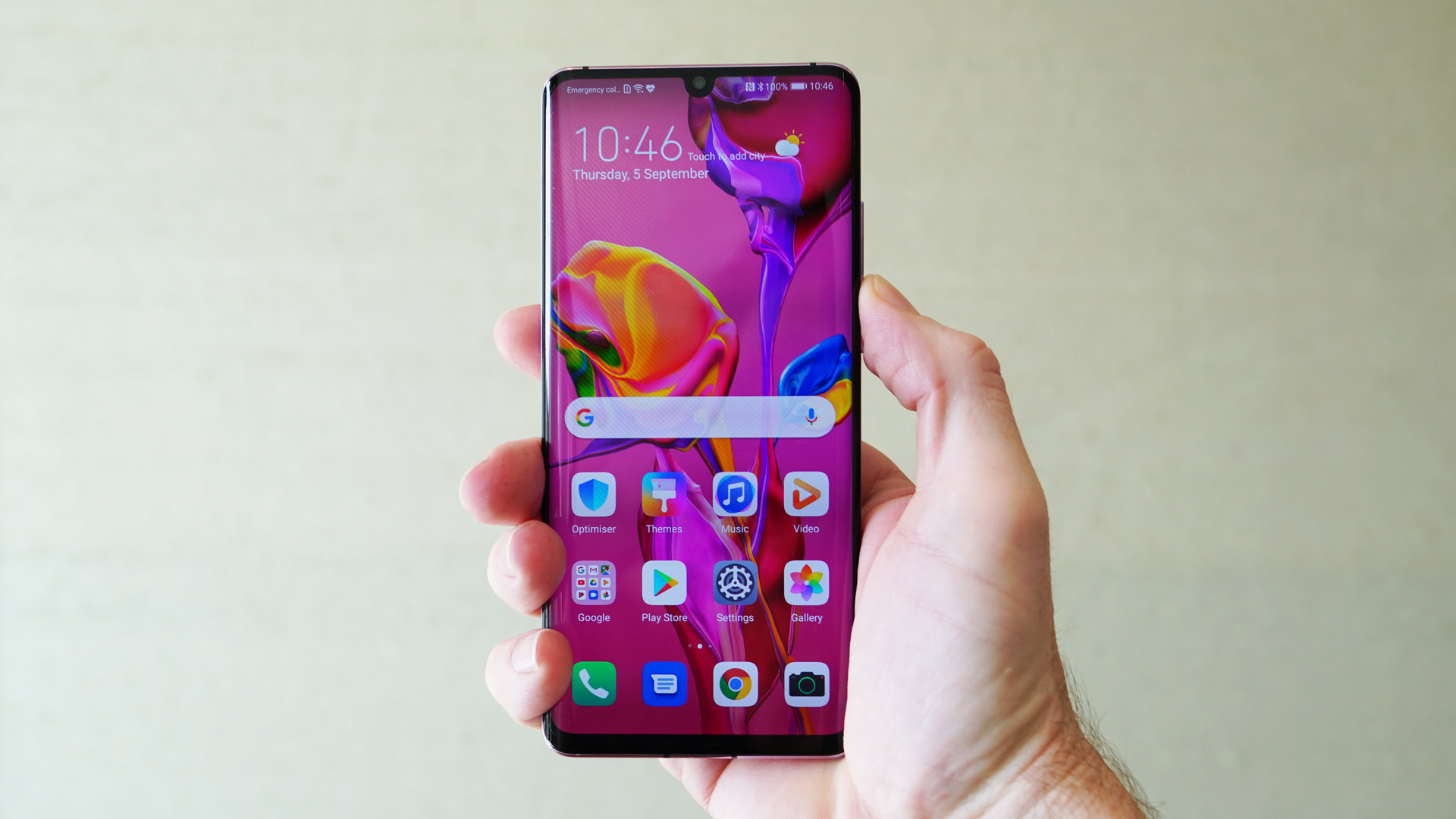
One understated reason Samsung might not offer big upgrades for its phones very often is that it doesn’t have much direct competition in this space. In fact, colleague Megan Ellis rightfully pointed out that Samsung doesn’t have to worry about Huawei anymore owing to U.S. sanctions.
- Huawei’s former threat – Up until 2020, Huawei was gaining significant ground on Samsung and even passed Apple for the No. 2 spot globally. Devices such as the P20 Pro and P20 Lite were strong sellers in Europe, the Middle East, and Africa.
- Technological push – Huawei popularized AI chips and periscope cameras, forcing Samsung to adopt new technologies and larger upgrades more quickly.
The U.S. Market
Samsung no longer faces stiff Android competition in the United States:
| Competitor | Availability | Position |
|---|---|---|
| Motorola | Limited flagship presence | Inconsistent |
| OnePlus | Carrier‑free only | Mid‑range to high‑end, but not carrier‑backed |
| TCL | No true high‑end models | Low‑mid tier |
Because the largest market offers few alternatives, Samsung may feel less pressure to invest in major upgrades there.
The Rest of the World
Outside the U.S., the landscape is very different. Brands such as OPPO, vivo, Xiaomi, and other Chinese manufacturers are widely available and provide strong competition, which can drive Samsung to innovate more aggressively.
5. Internal Obligations
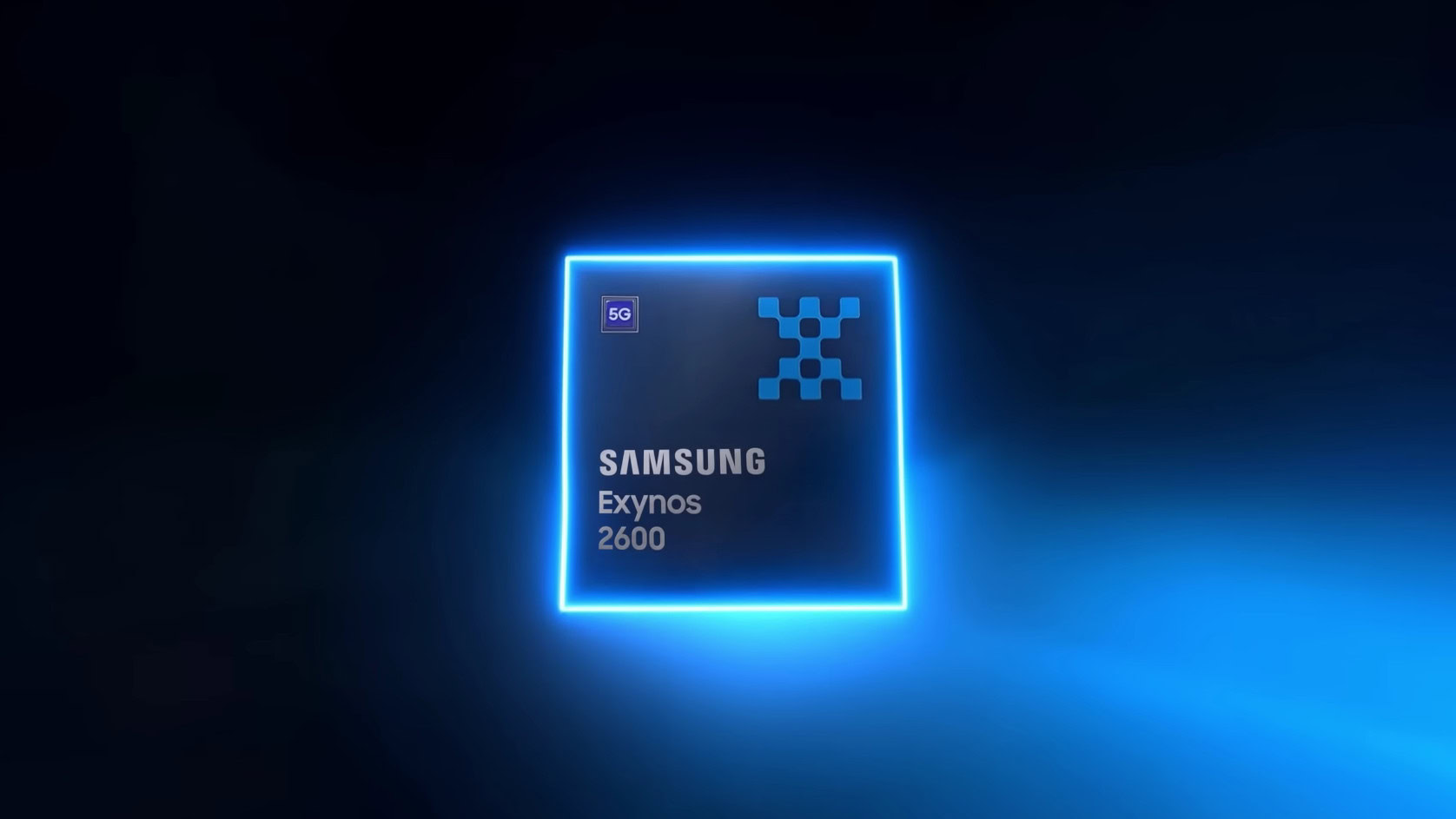
Samsung isn’t just a phone maker; it also manufactures many of the components that go into its devices, including:
- Processors
- RAM
- Storage
- Displays
- Camera sensors
Why Samsung Uses In‑House Parts
- Display strategy: High‑end phones typically feature Samsung‑made displays rather than potentially cheaper or higher‑quality panels from Chinese supplier BOE.
- Camera sensors: The company continues to rely on its aging ISOCELL sensors, even though more advanced options exist both within Samsung and from external vendors.
The Exynos Example
- Cost vs. performance: Samsung’s in‑house Exynos processors are generally cheaper than comparable Snapdragon chips but tend to deliver lower performance.
- Market segmentation: Exynos variants are often launched in regions such as EMEA, while Snapdragon versions are withheld, limiting customers in those markets to the less powerful option.
- Manufacturing choice: Most Exynos chips are fabricated by Samsung Foundry, despite TSMC’s reputation for superior process technology. This decision can lead to reduced performance and shorter battery life in certain devices.
How Much Longer Can Samsung Stay Complacent?
Ryan Haines / Android Authority
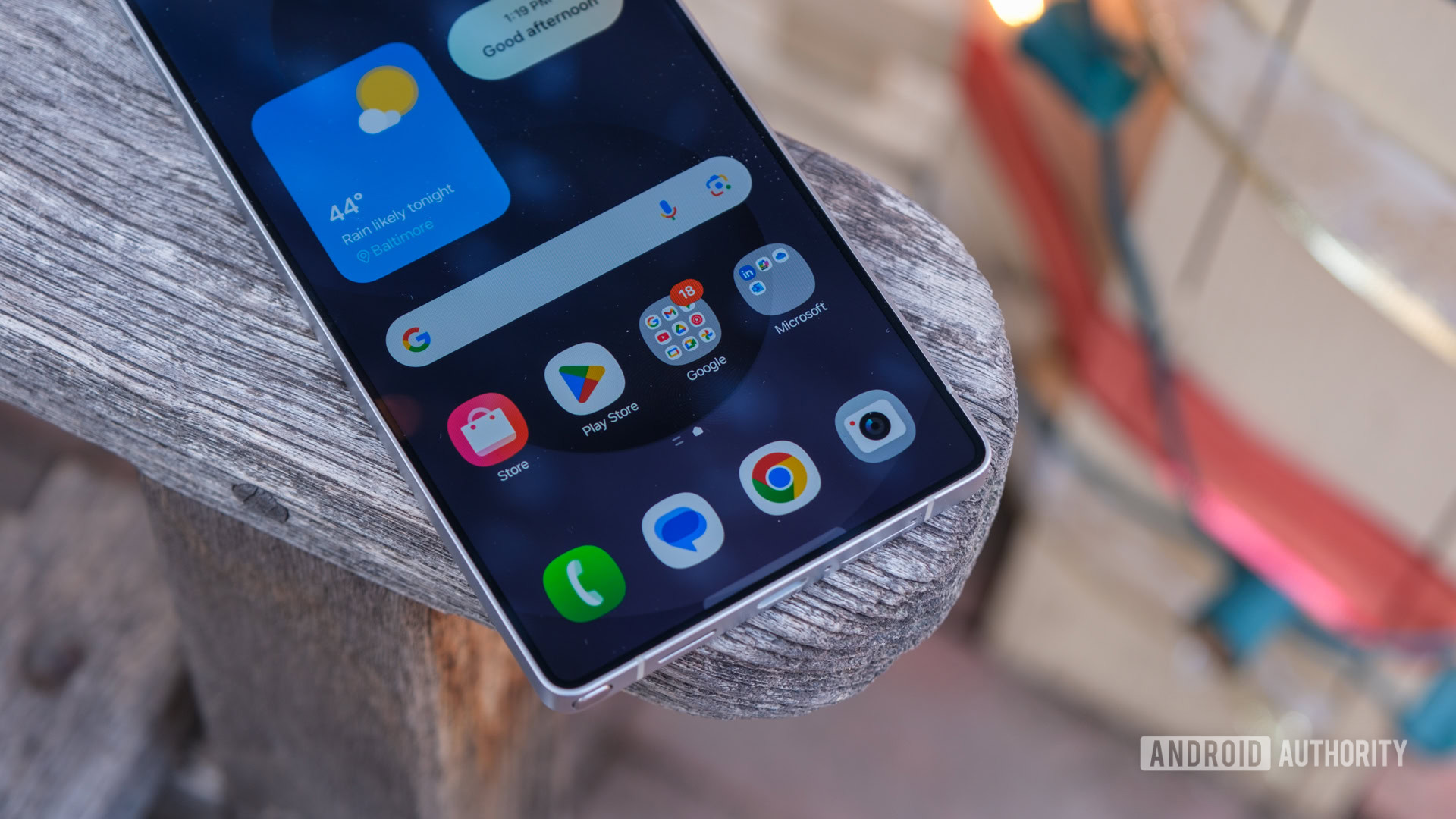
There are evidently many potential reasons why Samsung doesn’t offer big upgrades very often on its high‑end smartphones. This doesn’t seem to be hurting the company, though, as the Galaxy S24 and S25 phones both delivered fantastic sales. So there’s clearly more to building a phone that people want than a spec sheet alone.
Nevertheless, Samsung is clearly coasting right now with its Galaxy S phones. Over 55 % of our polled readers thought the company was playing it too safe, while only ~13 % said it was still churning out great flagship phones. So, while general consumers might be buying these phones in droves, it might be only a matter of time before they notice the lack of upgrades. This complacency certainly opens the door for another major Android brand to steal some of Samsung’s market share—but who will it be?
Follow
Thank you for being part of our community. Please read our Comment Policy before posting.