
사물인터넷 (IoT): 완전한 기술 및 실용 가이드
Source: Dev.to

The Internet of Things (IoT) is one of those buzzwords that’s everywhere, but how many of us truly understand the architecture, protocols, and practical implications?
Today, I’m breaking down IoT from both a technical and practical perspective—whether you’re a developer looking to build IoT solutions or just curious about how your smart devices actually work.
What We’ll Cover
- IoT architecture and data flow
- Communication protocols (MQTT, CoAP, HTTP/HTTPS)
- Edge computing vs. cloud processing
- Security considerations for developers
- Real‑world implementation examples
- APIs and integration patterns
- Future trends (5G, AI/ML integration)
The Technical Architecture
Perception Layer (Sensors/Actuators)
- Data collection through sensors
- Physical interaction through actuators
- Common sensors: temperature, humidity, motion, GPS
Network Layer (Connectivity)
- Protocols: WiFi, Bluetooth, Zigbee, LoRaWAN, 5G
- Data transmission to processing centres
- Gateway devices for protocol translation
Processing Layer (Data Analysis)
- Cloud platforms: AWS IoT, Azure IoT Hub, Google Cloud IoT
- Edge computing for latency‑sensitive applications
- Data storage and analysis pipelines
Application Layer (User Interface)
- Mobile apps, web dashboards, APIs
- Visualisation and control interfaces
- Integration with other systems
Developer Perspective: Popular Protocols
MQTT (Message Queuing Telemetry Transport)
- Lightweight pub/sub protocol
- Perfect for: Resource‑constrained devices
- Use case: Home automation, industrial IoT

CoAP (Constrained Application Protocol)
- RESTful protocol for constrained devices
- Perfect for: Low‑power networks
- Use case: Smart energy, building automation

HTTP/HTTPS
- Traditional web protocols
- Perfect for: Devices with sufficient power
- Use case: Connected appliances, smart displays
Security Considerations for Developers
- ✅ Implement TLS/SSL for all communications
- ✅ Use certificate‑based authentication
- ✅ Regular firmware OTA updates
- ✅ Secure boot mechanisms
- ✅ Data encryption at rest and in transit
- ✅ Rate limiting and DDoS protection
- ✅ Network segmentation
Pro tip: Never hard‑code credentials. Use secure key storage like TPM or HSM.
Real‑World Applications
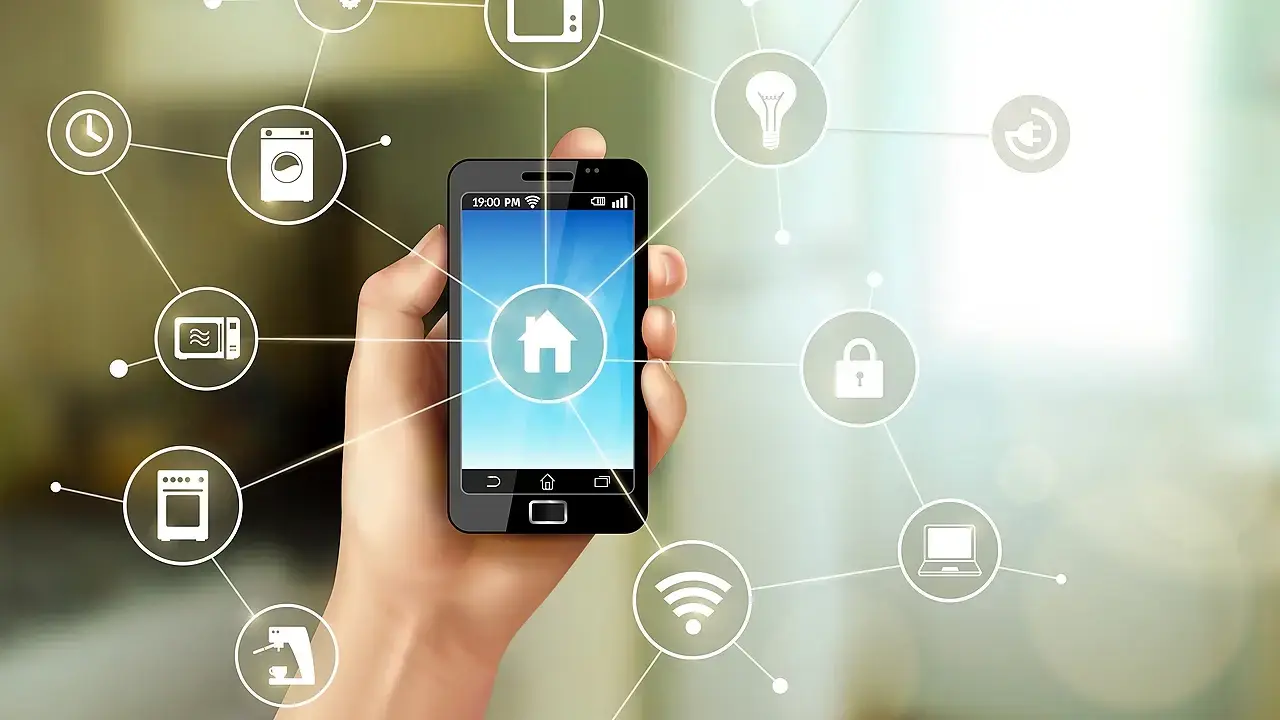
Smart Home (Consumer IoT)
- Device discovery and pairing
- State management across devices
- Automation rules and triggers
- Voice assistant integration
Industrial IoT (IIoT)
- High reliability and uptime
- Predictive maintenance algorithms
- Real‑time monitoring dashboards
- Integration with existing systems (ERP, MES)
Healthcare IoT
- HIPAA compliance
- Real‑time data processing
- Alert mechanisms for critical values
- Data privacy and anonymisation
Future Trends Developers Should Watch
Edge AI
Running machine learning models directly on IoT devices reduces latency and bandwidth usage.
5G Integration
Ultra‑low latency enables new use cases like autonomous vehicles and remote surgery.
Digital Twins
Virtual replicas of physical assets for simulation and optimisation.
Blockchain for IoT
Decentralised networks for secure device communication and data integrity.
Getting Started: Resources for Developers
Platforms to Explore
- Arduino & ESP32 for prototyping
- Raspberry Pi for edge computing
- AWS IoT Core, Azure IoT Hub for cloud
- Node‑RED for rapid prototyping
Open Source Projects
- Home Assistant (home automation)
- ThingsBoard (IoT platform)
- Eclipse Mosquitto (MQTT broker)
- Grafana (data visualisation)