
With the Pixel 11, Google needs to admit it has a hardware problem
Source: Android Authority
Google’s Smartphone Design Evolution
Google has delivered one of the most impressive design runs in recent smartphone history. Every generation—from the Pixel 6 through the Pixel 9—featured a complete or near‑complete hardware redesign. Even though the Pixel 9 and Pixel 10 are very similar1 (as were the Pixel 4 and Pixel 5), it’s clear that no modern company invests as much effort into refining the visual language of its phones as Google does. Pixel devices are visually stunning, with excellent colour reproduction and an iconic camera bar.
Looking Ahead
To stay competitive, Google will need to focus more on hardware innovation rather than just software. Pixel head Rick Osterloh confirmed last year that the phones are now on two‑ to three‑year design refresh cycles. This means we’re unlikely to see the generation‑to‑generation visual overhauls that once defined the Pixel line. So, what’s next?
If you ask me, this is an opportunity for Google to prioritize hardware refinement:
- The Pixel 10 series feels too thick and heavy.
- After switching from iPhone and Samsung Galaxy devices to the Pixel 10 Pro, I was surprised by how hefty Google’s handset feels compared to its rivals.
With the upcoming Pixel 11 series, Google should apply the same meticulous effort it puts into software optimizations to the physical design—otherwise, I might look elsewhere.
Poll: Satisfaction with Google Pixel hardware
702 votes
The Pixel 10 Has a Design Problem You Can’t See
Ryan Haines / Android Authority
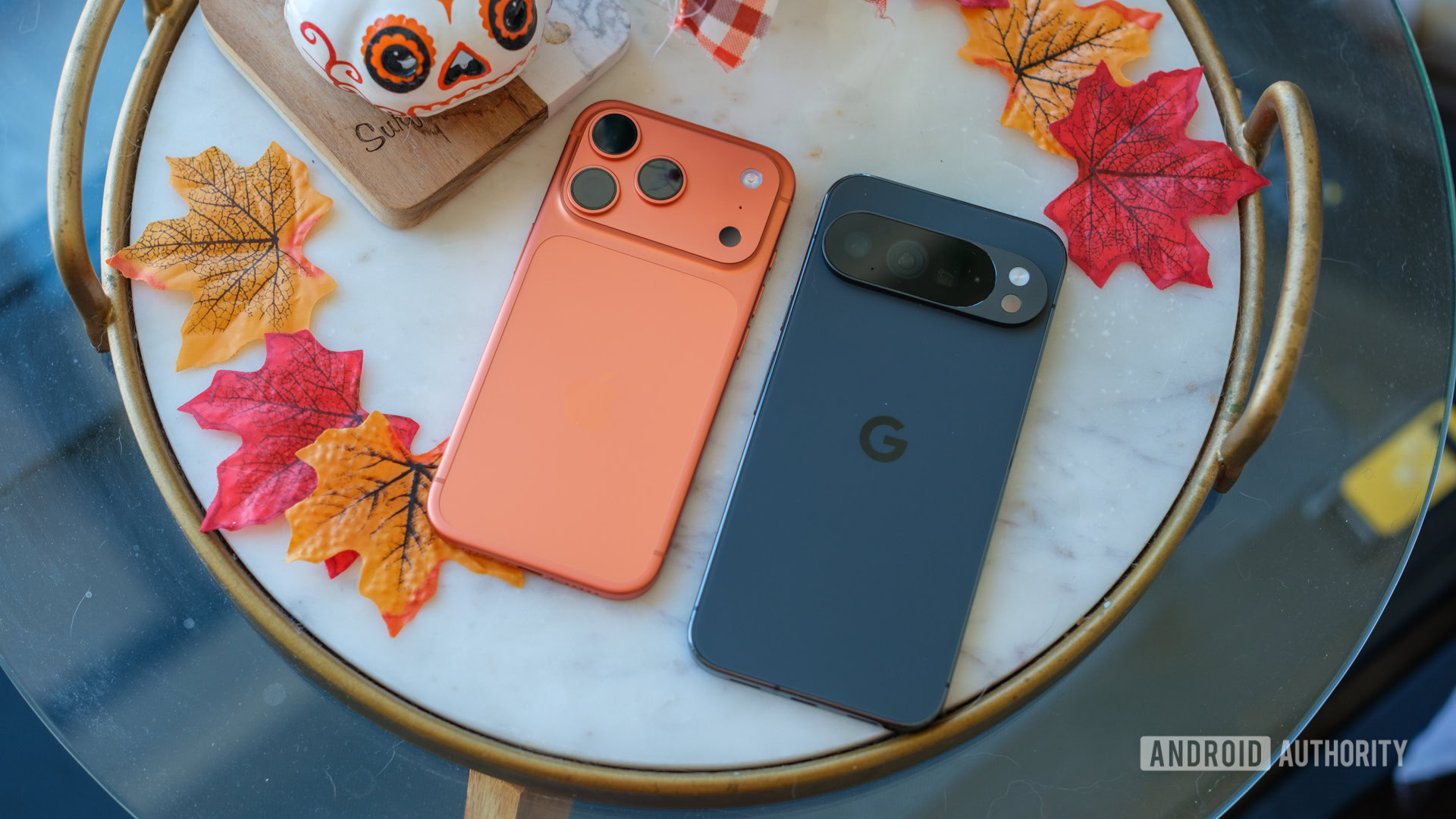
The Pixel 10’s styling, finishes, and colour options are intentional and attractive. However, the issue isn’t how the phone looks—it’s how it’s built.
Every hardware decision made during research, development, or assembly influences the final product. Just as you expect an operating system or app to be compiled efficiently, you should expect a phone’s physical hardware to occupy space responsibly. If a phone can be smaller without sacrificing components, battery life, or features, it should be.
Weight
Google’s Pixel phones are consistently thicker and heavier than the competition. The base Pixel 10 weighs 204 g, which is:
- 37 g heavier than the Samsung Galaxy S26
- 27 g heavier than the iPhone 17
“The official Google Pixel 10 silicone case with Pixelsnap magnets weighs roughly 34 g.”
— Rita El Khoury / Android Authority
In other words, an iPhone 17 or Galaxy S26 with a typical case feels as heavy as a Pixel 10 without a case. Even if weight isn’t a priority for you, being this far behind the competition in any category is a problem for the brand.
Thickness
The Pixel 10 measures 8.6 mm thick—0.1 mm thicker than the Pixel 9. While Google attributes the extra thickness to internal Qi 2 magnets, the base iPhone 17 also includes Qi 2 magnets and is only 7.95 mm thick.
A thinner, lighter phone lets you add a case without feeling extra bulk, is easier to hold, and reduces wrist strain during long‑term use.
Why It Matters
- Usability: A lighter, slimmer device is more comfortable to hold for hours each day.
- Accessory Compatibility: Cases and magnetic accessories add less perceived bulk.
- Competitive Positioning: No justifiable reason exists for a base‑model phone to be this cumbersome, especially when rivals like the Samsung Galaxy S25 Edge or iPhone Air are noticeably slimmer and lighter.
In short, the Pixel 10’s weight and thickness are both usability and design problems that detract from an otherwise attractive device.
Google’s hardware and material choices aren’t innovative
Joe Maring / Android Authority
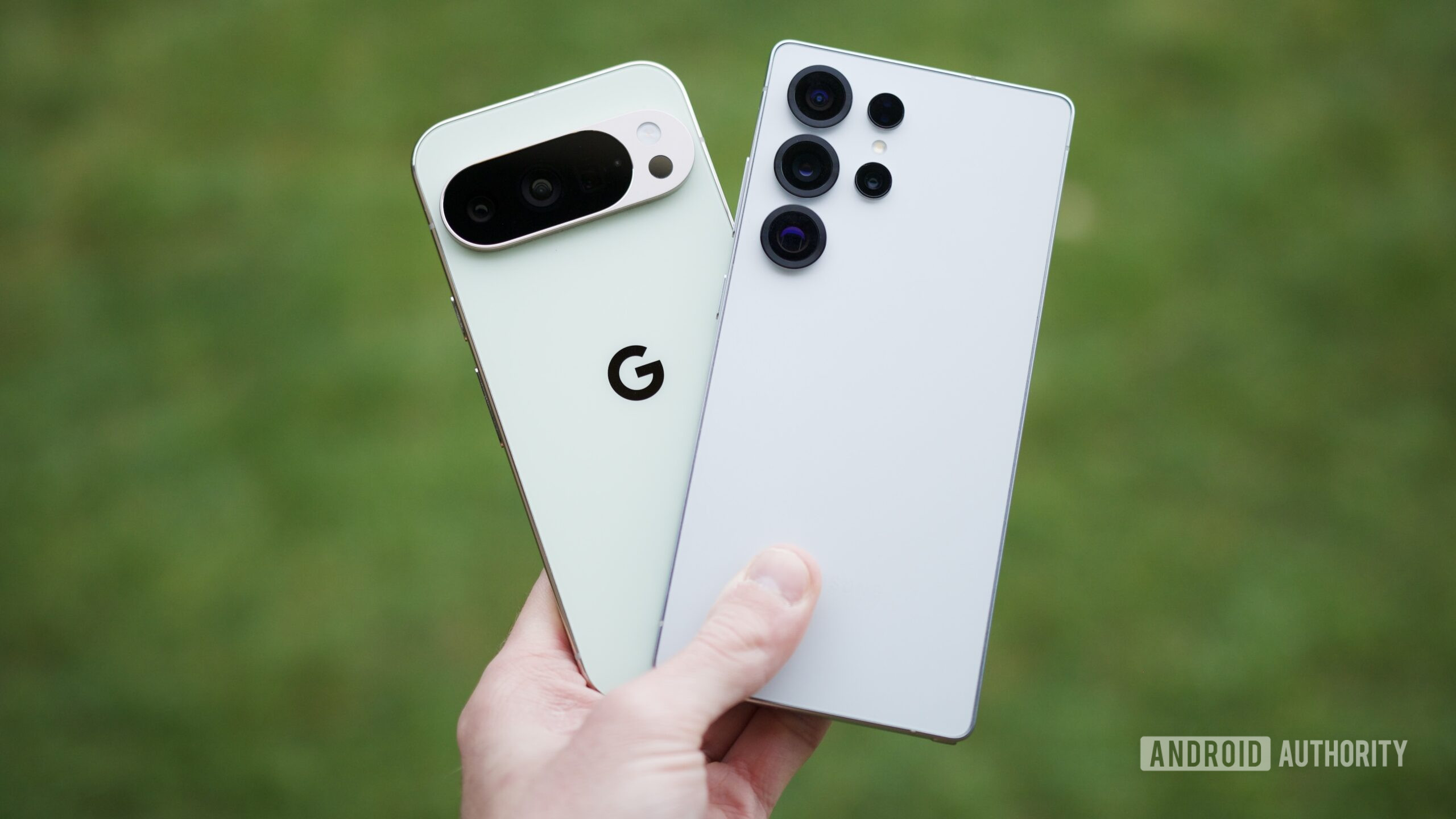
Although there isn’t a clear explanation for why Pixel phones lag on hardware and design, the issue becomes more apparent when you compare them to competitors that are actively innovating.
- Material palette – The Pixel 10 series sticks with the classic aluminum‑and‑glass combination. In 2026, many manufacturers have refined this pairing to be thinner, lighter, and more durable while still feeling premium.
- Alternative options – Brands such as Motorola and OnePlus have experimented with vegan leather, and others are exploring titanium, wood, or composite materials. If Google were to adopt any of these, the criticism would be less severe.
- Accessory ecosystem – Pixelsnap is a nice addition, but Apple’s MagSafe has been around for half a decade, making Pixelsnap feel more like a catch‑up feature than a breakthrough.
What Google could do
- Master the current materials – If Google continues with aluminum and glass, it should push the limits of durability, weight, and finish to match or exceed what rivals offer.
- Introduce new materials – Experiment with high‑tech composites (e.g., carbon‑fiber‑reinforced polymer), recycled titanium, or sustainably sourced vegan leather.
- Improve glass technology – Develop a Corning glass with anti‑scratch performance comparable to Apple’s Ceramic Shield 2, or an anti‑reflective coating similar to Gorilla Armor 2.
- Explore new form factors – Offer an ultra‑thin foldable like the Galaxy Z Fold 7, perhaps as a “Pixel 11 Pro Fold,” to demonstrate that design remains a priority.
Bottom line
If Google wants to stay relevant on the hardware front, it must either perfect the aluminum‑and‑glass formula or venture into new material territory. Continuing with the status quo without clear advancements will only widen the gap between Pixel devices and the more innovative offerings from other smartphone manufacturers.
If the Google Pixel 11 isn’t thinner and lighter, I’m already out
Ryan Haines / Android Authority
When you think about why buyers choose Pixel over Samsung or Apple, software is top of mind. I’ve used flagships from all three brands this year, and it’s obvious that Pixel is beating both Galaxy and iPhone in software, AI tools, and overall optimization. The hardware is a completely different story. Samsung and Apple have arguably rested on their laurels, keeping the status quo across multiple smartphone generations, and they’re still beating Google in the design department.
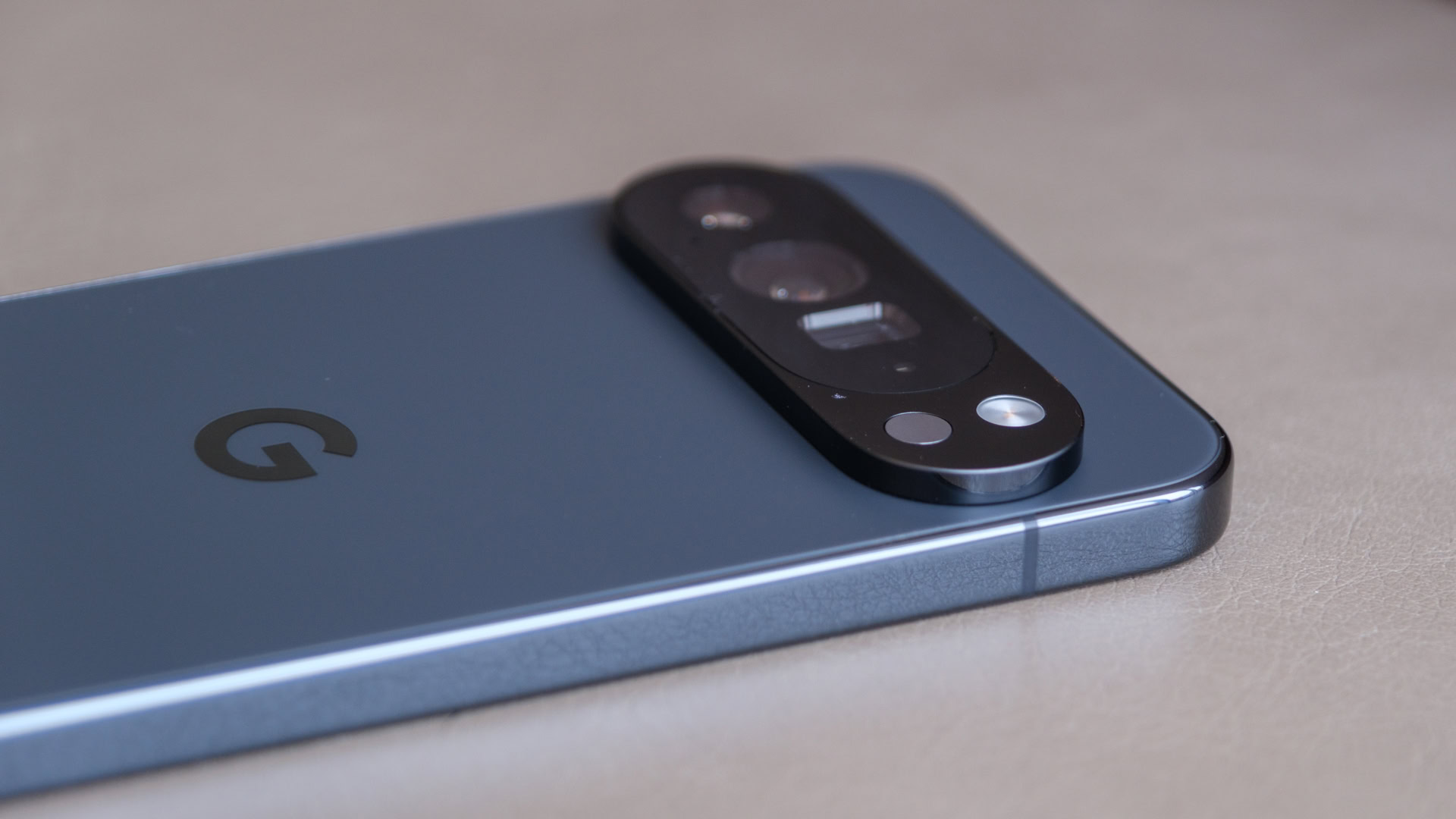
Google Pixel phones look great — the Pixel 10’s Lemongrass variant is my favorite phone design and colorway of this release cycle — but the in‑hand feel isn’t up to par. I’m not willing to sacrifice weight, thickness, and hardware innovation for software, effectively nixing Pixels as a daily‑driver option for me. With the Pixel 11, Google needs to put the same value on design optimization that it already attributes to software optimization.
If it does that, Pixels would easily become the best phones for most people. If it doesn’t, I’m already out.
Follow
Thank you for being part of our community. Please read our Comment Policy before posting.