
When identity isn’t the weak link, access still is
Source: Bleeping Computer

The Shifting Landscape of Workforce Identity
For years, identity has been treated as the foundation of workforce security. The assumption was simple: if an organization could reliably confirm who a user was, access could be granted with confidence.
That logic worked when employees accessed corporate networks from corporate devices under predictable conditions. Today, that no longer reflects how access is actually used—or abused.
Why the Old Model Fails
-
The modern workforce operates across multiple locations, networks, and time zones.
Employees routinely switch between corporate laptops, personal devices, and third‑party endpoints.
(Read more about the modern workforce) -
Access is no longer anchored to a single environment or device.
Security teams must support this flexibility without increasing exposure or disrupting productivity, even as the signals used to make access decisions become noisier, more fragmented, and harder to trust on their own.
(Learn how devices factor into security)
Identity ≠ Risk
A legitimate user accessing systems from a secure, compliant device presents a fundamentally different risk than the same user connecting from an outdated, unmanaged, or compromised endpoint. Yet many access models still treat these scenarios as equivalent, granting access primarily on identity while the device’s condition is secondary or static.
Why the “identity‑first” model falls short
-
Device risk evolves after authentication.
Endpoints constantly shift state as configurations drift, security controls are disabled, or updates are delayed—often long after access has been granted. -
Trust remains static.
When access decisions are tied only to the conditions present at login, trust persists even as the underlying risk profile degrades.
Where the gaps are most visible
| Access path | Typical blind spot | Why it matters |
|---|---|---|
| Legacy protocols | No modern conditional‑access policies | Limited context for decisions |
| Remote‑access tools (e.g., RDP) | Out‑of‑band sessions | Trust extended beyond initial login |
| Non‑browser‑based workflows | Lack of continuous device assessment | Session tokens can be hijacked |
How attackers exploit the blind spots
- Reuse misplaced trust instead of breaking authentication.
- Steal session tokens from compromised endpoints.
- Bypass multi‑factor authentication (MFA) by leveraging a trusted device that later becomes insecure.
“It’s easier to log in than break in.”
A valid identity presented from the wrong device is one of the most reliable ways to bypass modern controls and stay under the radar.
Takeaway
- Identity is only the starting point. Continuous evaluation of device health, posture, and context is essential to keep risk aligned with reality.
- Shift from static, login‑time decisions to dynamic, session‑wide assessments to close the trust gap and prevent attackers from exploiting “right‑identity, wrong‑device” scenarios.
Why Zero Trust Often Falls Short
Zero Trust is widely accepted as a security principle, but it is far less consistently applied across workforce access. While identity controls have matured, progress frequently stalls at the device layer—especially for access paths outside browser‑based or modern conditional‑access frameworks that inherit trust by default.
Key Challenges
-
Device trust adds complexity
- Unmanaged and personal devices are hard to assess consistently.
- Compliance checks are often static rather than continuous.
- Enforcement varies depending on how access is initiated.
-
Fragmented tooling
- Identity and endpoint signals are frequently handled by separate tools that were never designed to work together.
- This leads to fragmented visibility and inconsistent decision‑making.
-
Static, hardened policies
- Over time, access policies can become overly rigid and static.
- When access is granted without ongoing checks, traditional controls are slow to detect and respond to malicious behavior.
Bottom Line
Establishing true Zero Trust requires continuous, integrated verification of both identity and device health. Without that integration, the model can fall short, leaving organizations vulnerable to identity abuse and other attacks.
From Identity Checks to Continuous Access Verification
Static, identity‑centric access controls are insufficient; mechanisms must stay effective after authentication and adapt as conditions change.
Solutions such as Infinipoint operationalize this model by extending trust decisions beyond identity and maintaining enforcement as conditions evolve.
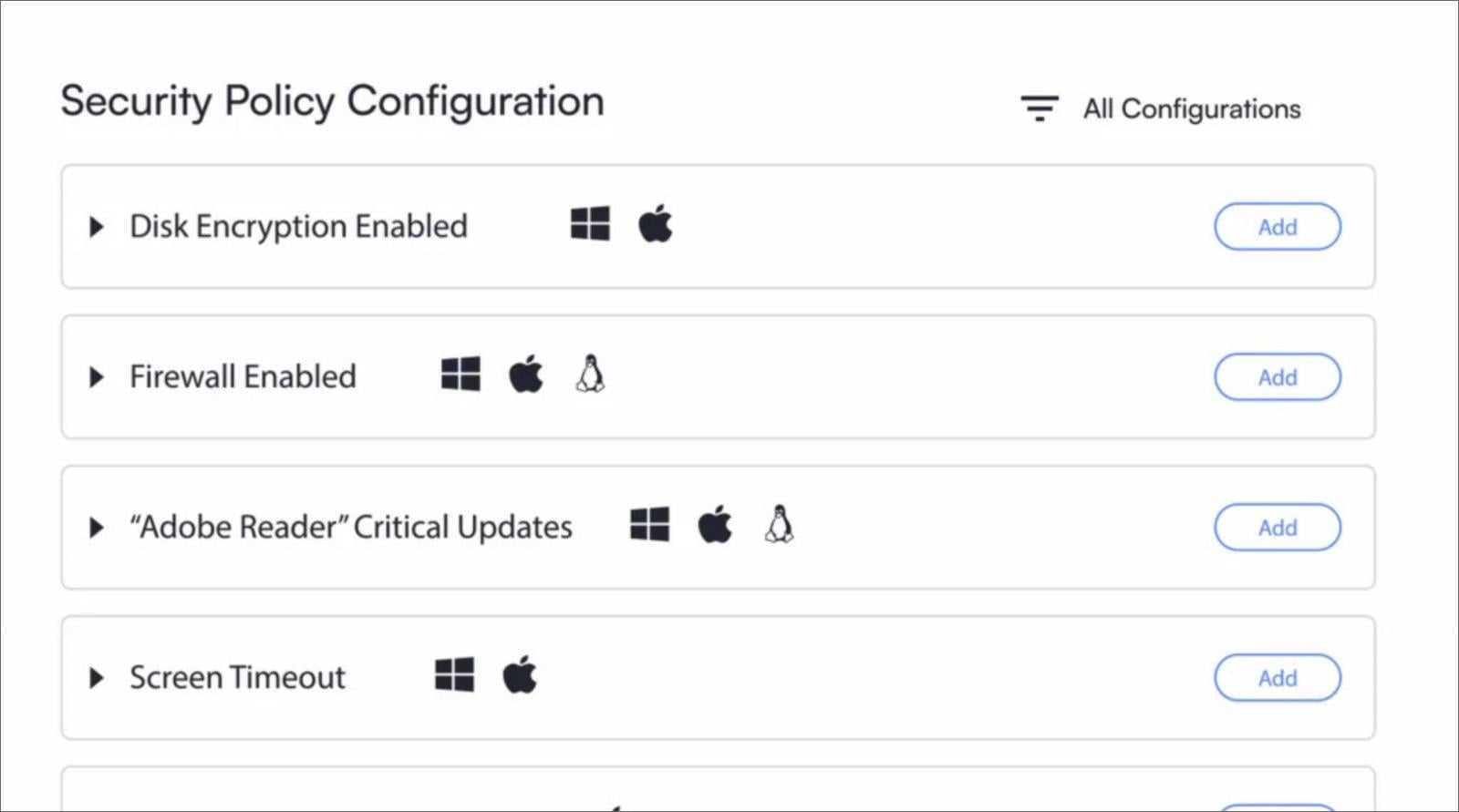
The following measures focus on closing the most common access‑failure points without disrupting how people work.
- Verify both user and device continuously – Reduces the effectiveness of stolen credentials, session‑token hijacking, and MFA bypass techniques by tying access to a trusted endpoint rather than identity alone.
- Apply device‑based access controls – Enables enrollment of approved hardware, limits the number and type of devices per user, and differentiates corporate, personal, and third‑party endpoints, preventing attackers from reusing valid credentials from untrusted devices.
- Enforce security without defaulting to disruption – Proportionate enforcement lets organizations respond to risk without unnecessarily interrupting legitimate work. Conditional restrictions and grace periods give users time to resolve issues while maintaining security controls.
- Enable self‑service remediation to restore trust – One‑click remediation for actions such as enabling encryption or updating operating systems restores trust efficiently, reducing support tickets and IT workload while keeping security standards intact.
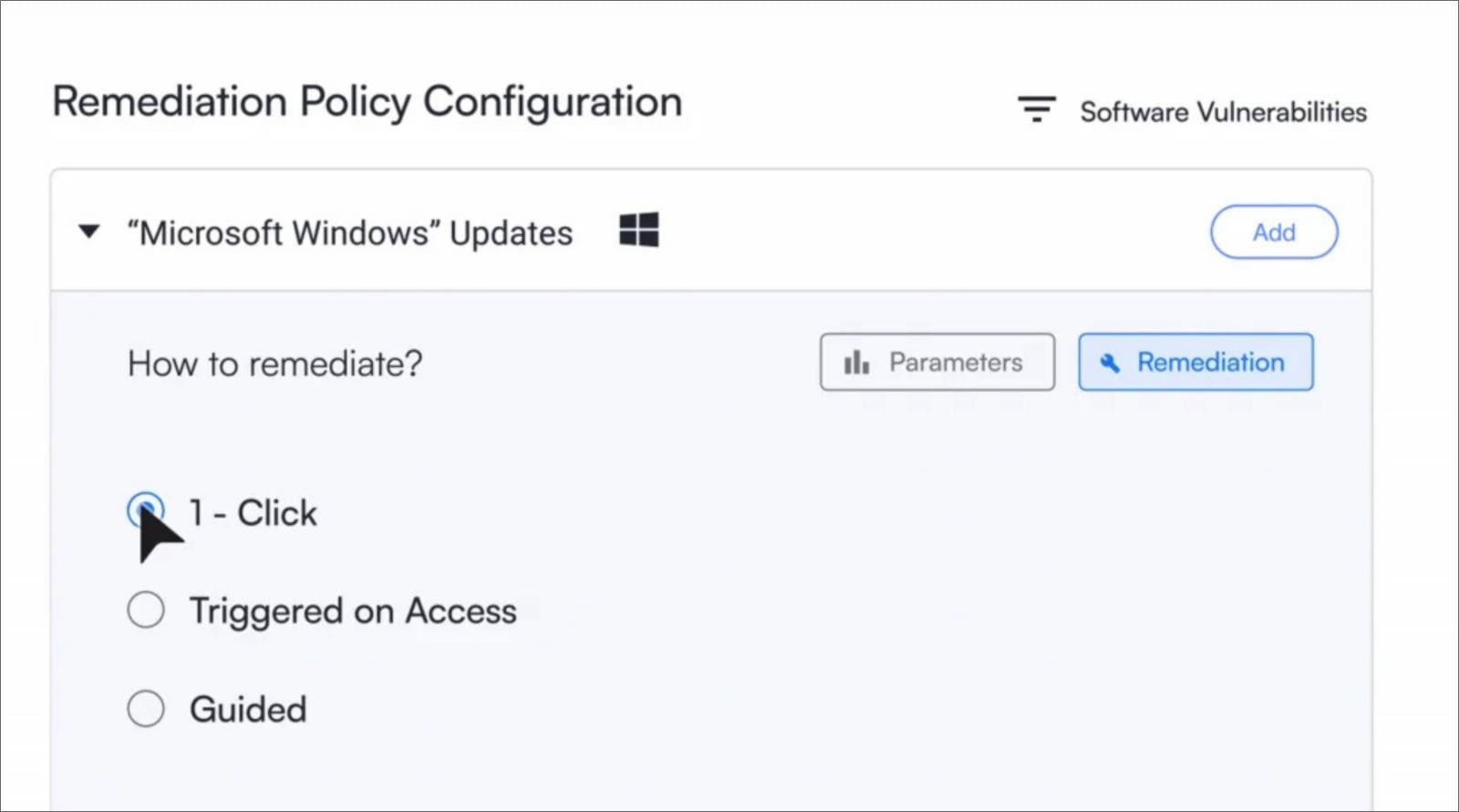
Specops, the Identity and Access Management division of Outpost24, delivers these controls through Infinipoint, enabling zero‑trust workforce access that verifies both users and devices at every access point and continuously throughout each session across Windows, macOS, Linux, and mobile platforms.
Talk to a Specops expert about enforcing device‑based Zero Trust access beyond identity.
Sponsored and written by Specops Software.