
This Qi2 accessory with active cooling restored my faith in wireless charging
Source: Android Authority
Introduction
Brady Snyder / Android Authority
Android users—starting with owners of the Google Pixel 10 series—are finally experiencing the benefits of native Qi 2 and MagSafe support. The Google Pixel 10 Pro XL supports Qi 2 25 W, a charging spec that offers faster wireless charging speeds. Whether you’re using Qi 2 25 W on a Pixel or Qi 2 Ready 15 W on a Samsung Galaxy, you can enjoy faster base wireless charging than the older Qi standard, which only guaranteed 5 W (aside from a few chargers that reached 10 W or 15 W).
The faster speeds make wireless charging more convenient, but they also amplify the inherent drawbacks of wireless charging:
- Lower efficiency compared with wired charging
- Slower overall charge times (despite higher wattage)
- More heat generation, which can affect battery health
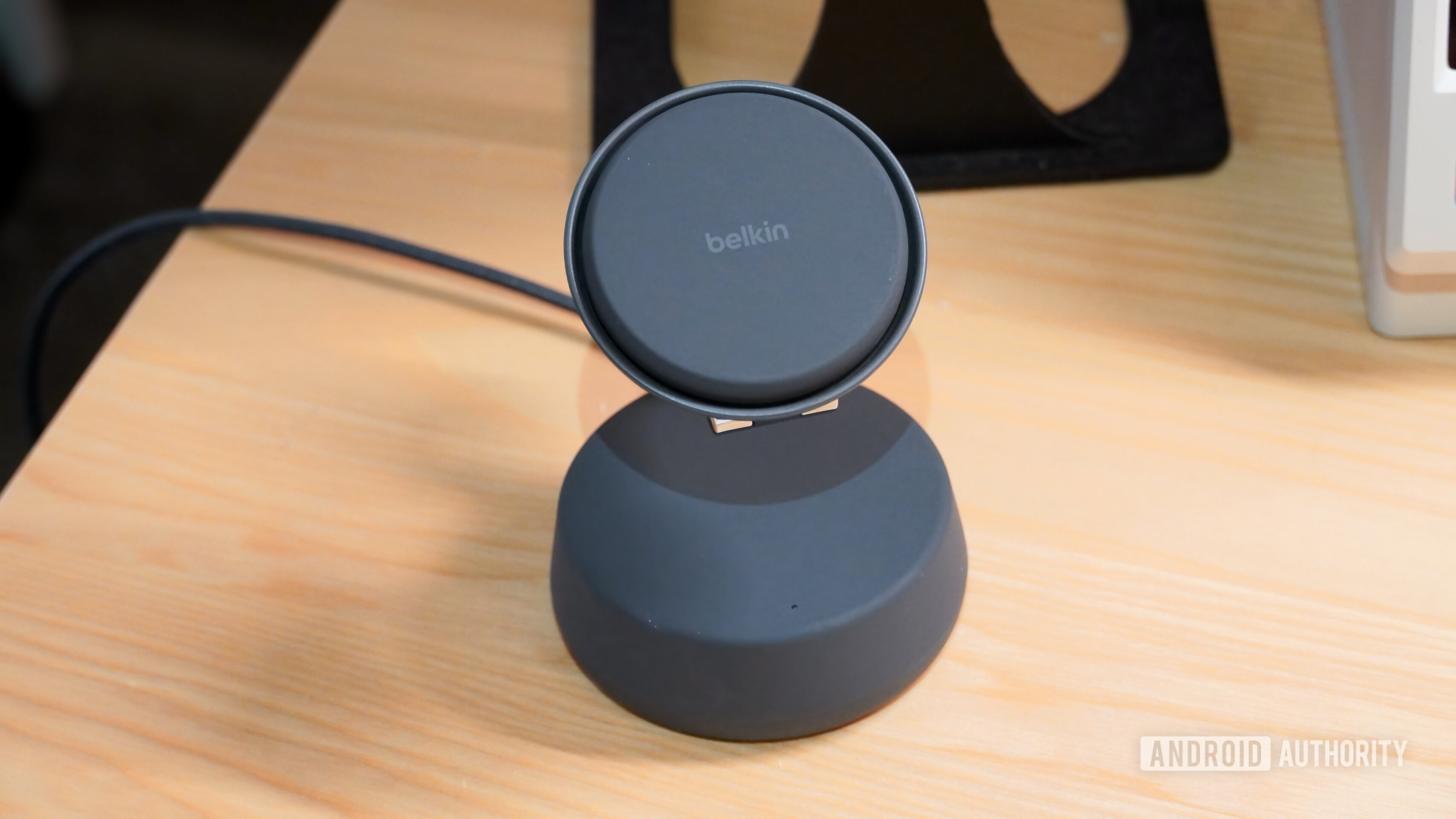
I almost gave up on wireless charging for these reasons—until I tried Belkin’s UltraCharge Pro 3‑in‑1 Qi 2 25 W charging station. Priced at $129.99 on Amazon (link), it features an active cooling fan that directs ambient air toward the phone’s wireless charging coil, helping to avoid overheating and excessive battery degradation while charging faster.
Do you charge your Android phone wirelessly?
51 votes
Feel free to adjust the formatting to match your publication’s style guide.Why I Used to Avoid Wireless Charging Like the Plague
Brady Snyder / Android Authority
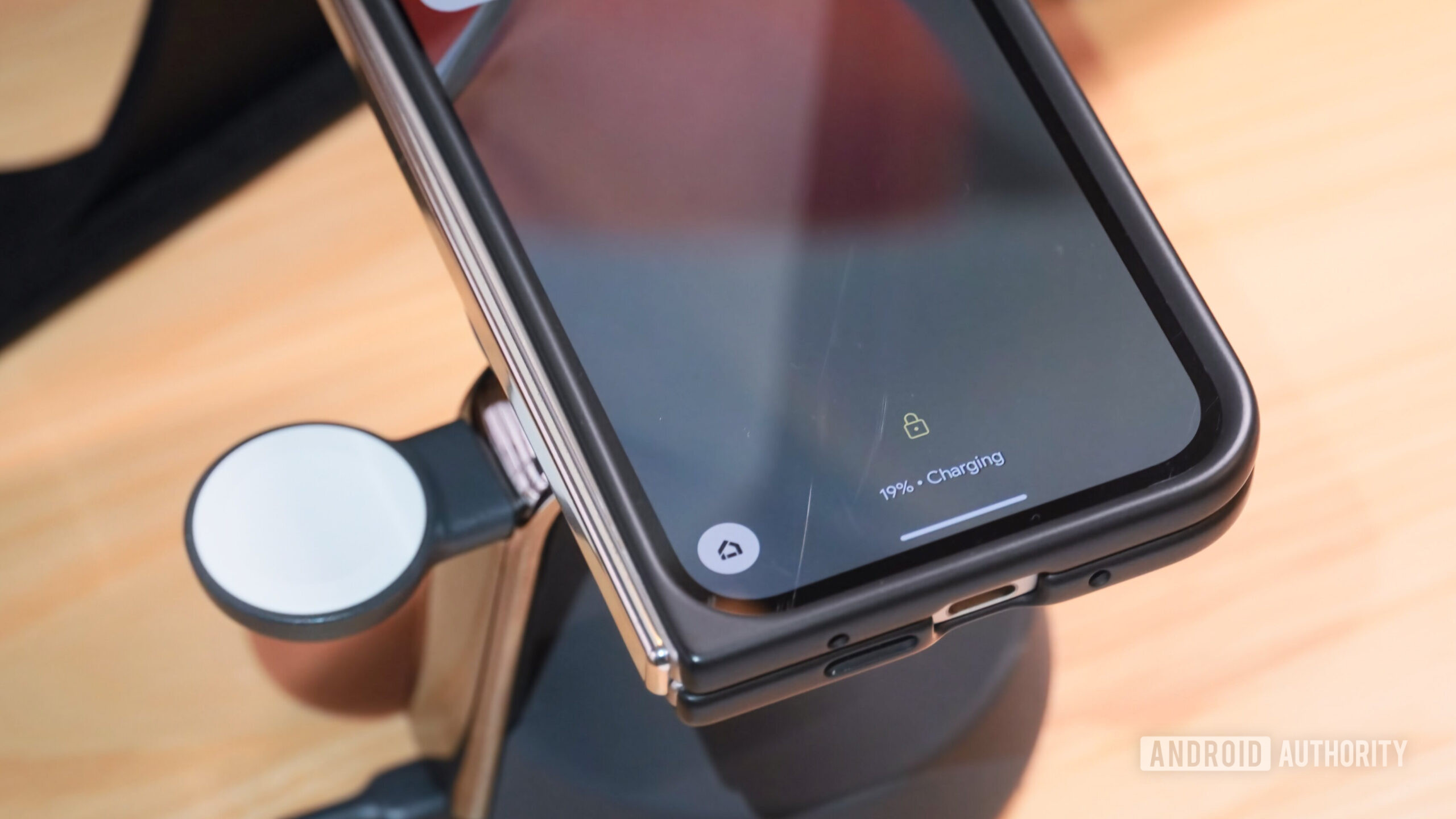
Wireless charging is a controversial subject because it pits convenience against efficiency. When you charge a phone wirelessly, electricity is transferred between the charging pad and the coils inside the smartphone. In real‑world conditions that transfer is only 50 %–80 % efficient1, meaning a noticeable amount of energy is lost compared with a wired connection.
The main drawbacks
- Slower charging – The inefficiency makes wireless charging generally slower than wired charging.
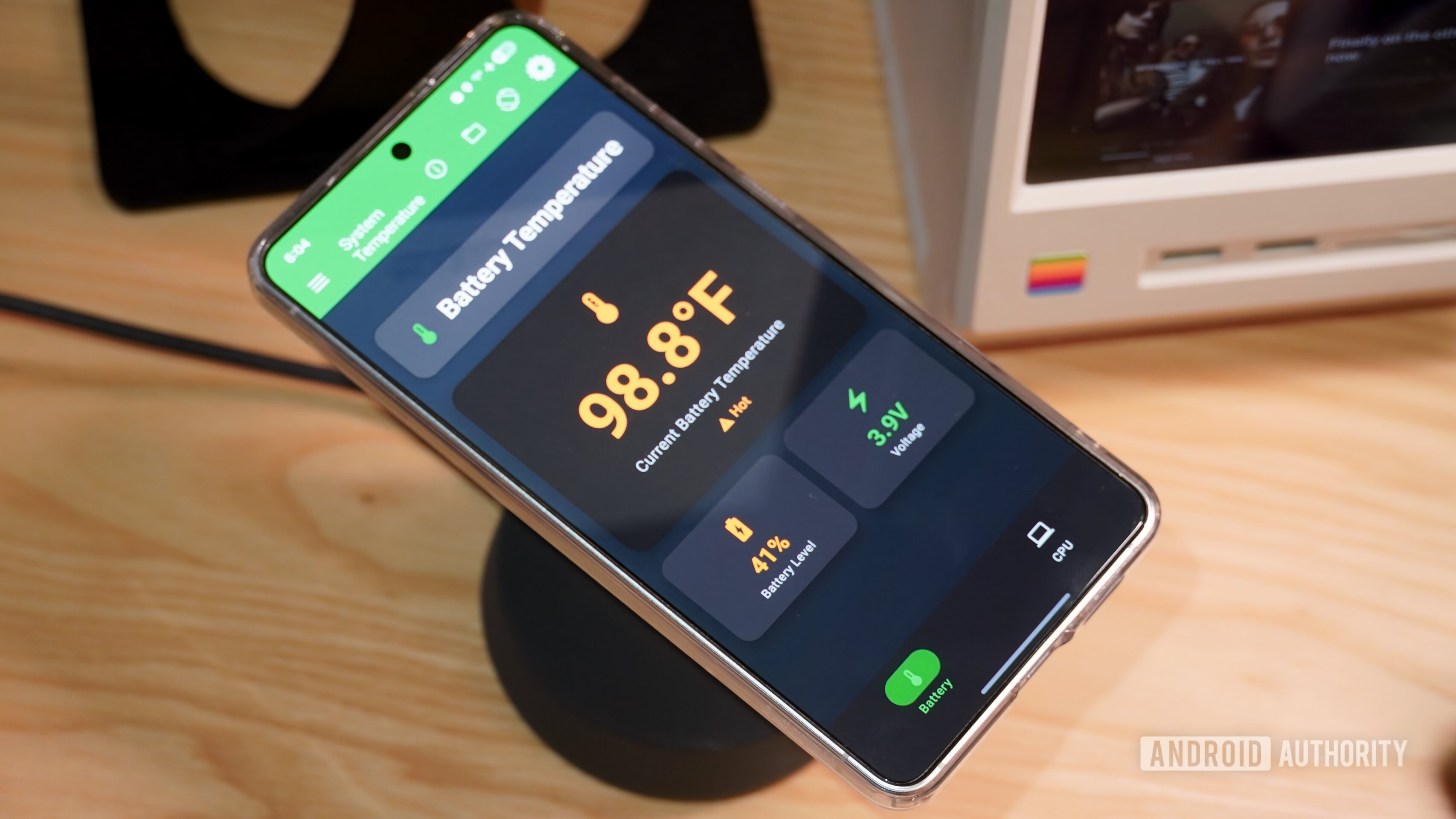
- Heat generation – The lost energy turns into heat, which can cause both the charger and the phone to overheat2. When a device gets too hot, its performance and charging speed are throttled, further lengthening charging sessions.
I experienced these issues across flagships from Apple, Samsung, and Google. Using wireless chargers in poor conditions—like the one in my hot car—led to overheating and thermal throttling, making me question whether the convenience was worth it. Eventually, I started reaching for cables instead.
Brady Snyder / Android Authority
A real‑world example: Google Pixel 10 series
The Pixel 10 series illustrates how wireless‑charging performance can differ from spec‑sheet claims:
- Pixel 10 Pro XL – Although it supports Qi 2 25 W, it rarely sustains that speed because the device overheats3.
- Other Pixel 10 models – Limited to Qi 2 15 W, they may not even reach 15 W on many chargers4.
Enter active cooling
Belkin’s UltraCharge Pro isn’t the first charger to use an active cooling solution; both Google and Samsung have sold older Qi chargers with built‑in fans. What sets Belkin’s unit apart is that it supports Qi 2 25 W fast wireless charging while incorporating a cooling fan—a rare combination. After months of daily use, I found that the fan dramatically improved my wireless‑charging experience.
References
Footnotes
-
Android Authority – Real‑world wireless‑charging efficiency (50 %–80 %) ↩
-
Android Authority – How heat affects wireless charging and battery health ↩
-
Android Authority – Pixel 10 Pro XL doesn’t sustain Qi 2 25 W due to overheating ↩
-
Reference to Qi 2 15 W limitation (original source not provided in excerpt) ↩