
The Xiaomi 17 is the most iPhone-like Android phone I’ve used yet (and not in a good way)
Source: Android Authority
Hadlee Simons / Android Authority
There aren’t many options on the market if you want a smaller flagship Android phone. Samsung and Google are the top picks in this regard, but the Xiaomi 15 was another notable, if flawed, choice.
Now, Xiaomi has announced the Xiaomi 17 for global markets, and it continues to be a pocket‑friendly flagship phone. Is it worth buying, though? That’s what I decided to find out in my hands‑on.
A Small Phone, but an iPhone Clone
Hadlee Simons / Android Authority
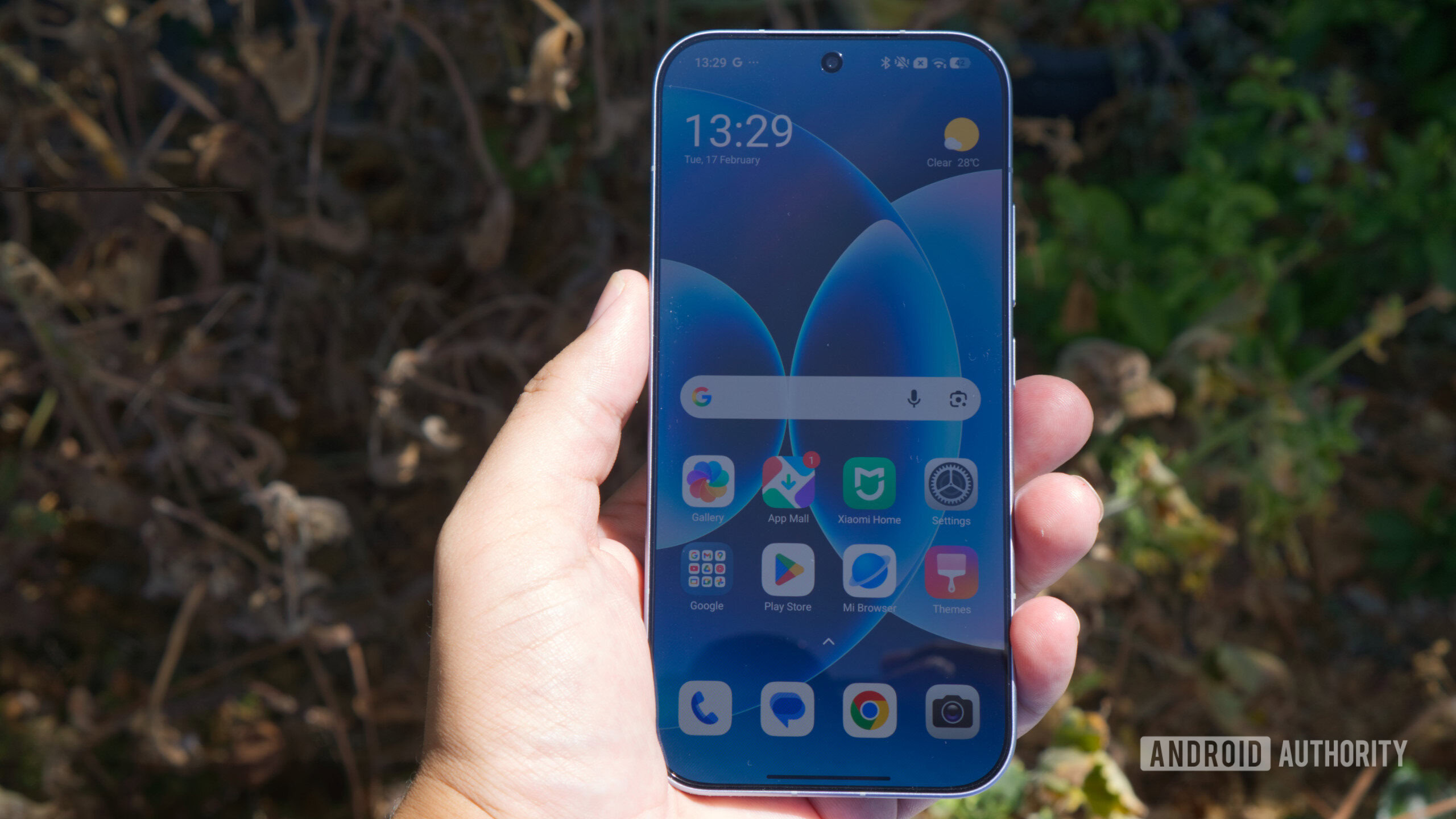
The Xiaomi 17 isn’t a sub‑six‑inch smartphone—as some enthusiasts have been pining for—but it’s still reasonably compact thanks to its 6.3‑inch display. It’s a little bigger than the Galaxy S26, yet slightly smaller than the Pixel 10. This size feels refreshing compared with the Galaxy S23 Ultra I’m currently using as my primary phone.
An iPhone‑like Design
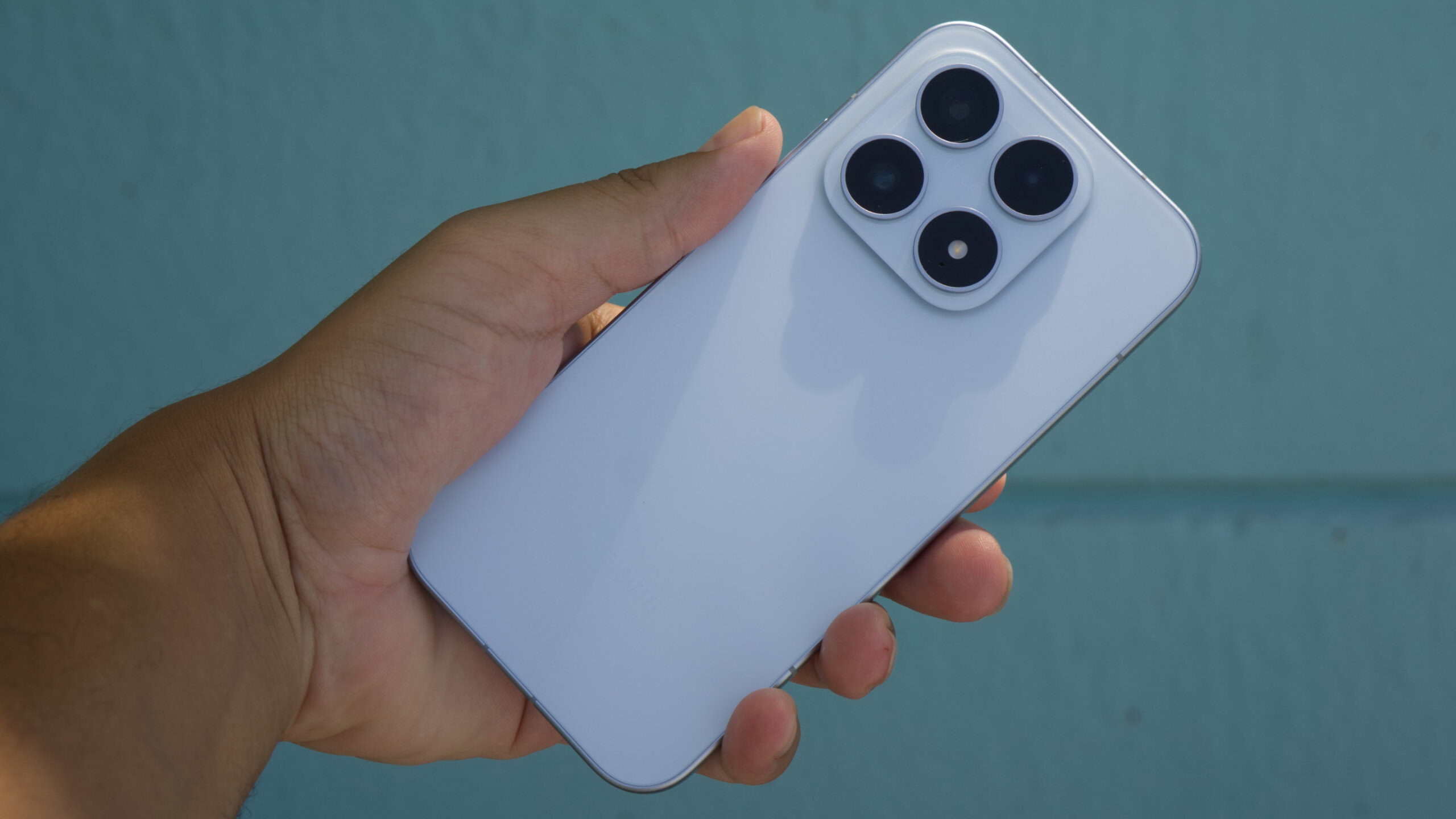
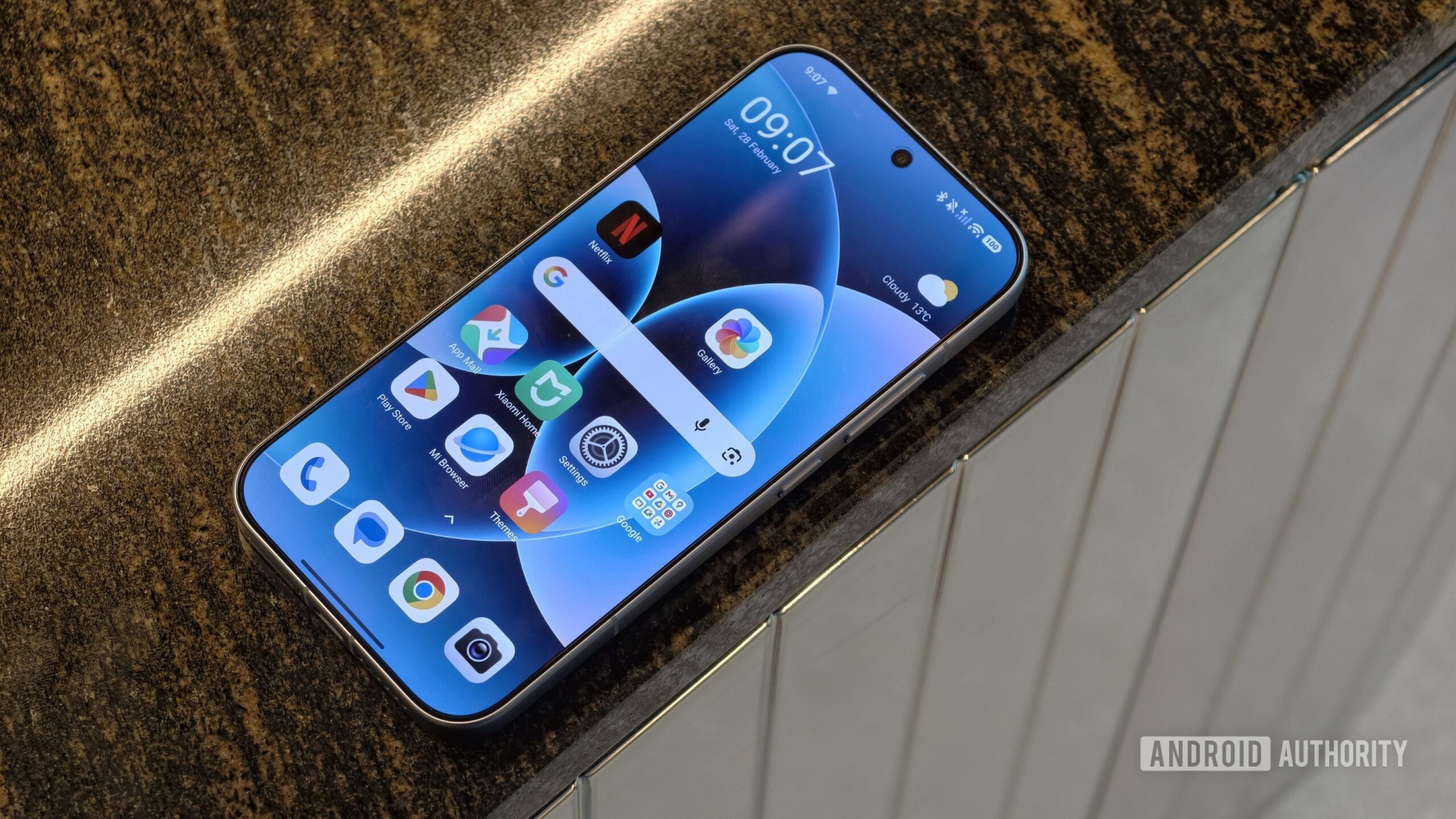
There’s an elephant in the room: the Xiaomi 17 is as close to an iPhone clone as we’ve seen from any major Android brand in recent years. I’m not a fan of Android OEMs copying Apple’s flat edges and curved corners (see discussion here), even if they try to differentiate themselves with distinct rear‑camera designs.
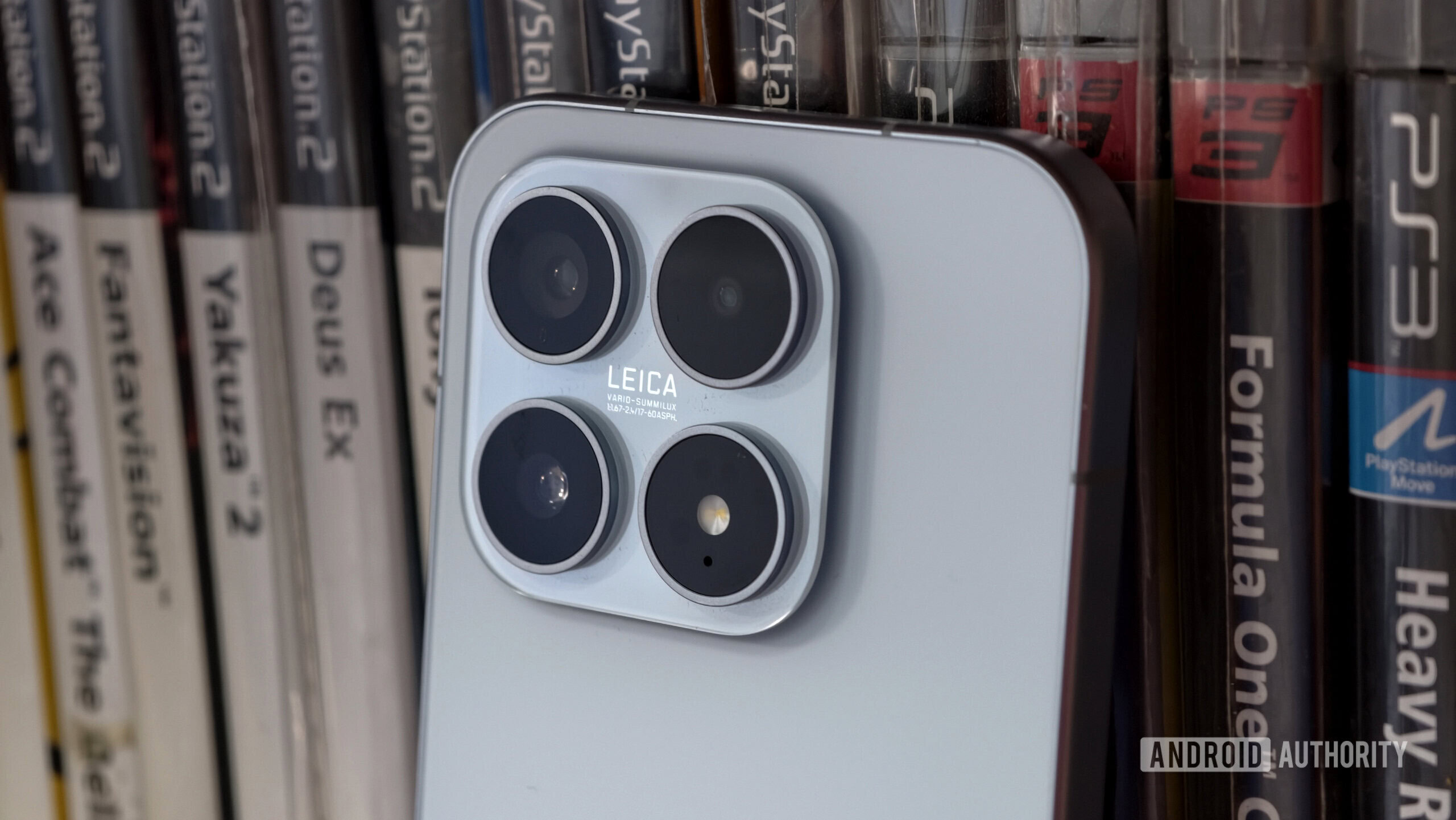
The Xiaomi 17’s rear‑camera bump also feels inspired by the iPhone 16 series. While it isn’t a 1:1 copy—the lenses form a square rather than a triangle—the overall package feels derivative. It’s disappointing that Xiaomi chose this approach in 2026, especially after skipping the “Xiaomi 16” name to align with Apple’s naming convention.
Build & Protection
- Frame: Metal
- Back: Matte glass (helps reduce fingerprint smudges)
- Front: Shield Glass with an IP68 rating for water and dust resistance
We’ve asked Xiaomi about the presence of rear protective glass and will update the article as soon as we receive a response.
Who Says Smaller Phones Can’t Have Big Batteries?
Hadlee Simons / Android Authority
The good news is that the Xiaomi 17 brings hefty performance and battery‑capacity upgrades compared with last year’s model.
Performance
The new phone is powered by the Snapdragon 8 Elite Gen 5 processor. Xiaomi has temporarily blocked 3DMark ahead of launch, so we couldn’t run GPU stress tests, but Geekbench 6 and PCMark 10 still give a solid picture of what to expect.
- Geekbench 6: The Xiaomi 17 maintains a small but notable advantage over the Dimensity 9500‑toting OPPO Find X9 Pro. The OnePlus 15 decisively beats it, likely because the Xiaomi 17’s more constrained form factor limits raw performance while the OnePlus phone is tuned for speed.
- PCMark 10: The Xiaomi 17 enjoys a huge advantage over both OPPO and OnePlus devices, suggesting better overall system‑wide performance.
In real‑world use I had no issues: swiping through menus, multitasking, launching apps, and taking photos were all smooth. Games such as War Thunder Mobile and GRID Legends ran well out of the box, with headroom for higher graphics settings.
Battery
- Capacity: 6,330 mAh (vs. the Chinese model’s 7,000 mAh).
- Comparison: Still a massive battery for a compact phone and even larger than the global Xiaomi 17 Ultra.
Real‑World Test
I put the phone through a day‑long trip to Johannesburg:
| Activity | Approx. Time | Battery Drain |
|---|---|---|
| Uber rides, airport transfers | 2 h | – |
| Google Keep note‑taking | 30 min | – |
| Music streaming | 3 h | – |
| WhatsApp chatting | 2 h | – |
| Mobile hotspot (several hours) | 4 h | – |
| Remaining charge at 7 PM | ≈ 10 % | — |
Not bad at all. The Xiaomi 17 also supports 100 W wired charging via USB‑PPS and 50 W wireless charging, which helps top up the large cell quickly.
Software Bloat
The device ships with a fair amount of pre‑installed software:
- First‑party apps (some with ads)
- Third‑party apps such as LinkedIn, Spotify, and Facebook
- About half a dozen games
These apps can be disabled or uninstalled, but the presence of ads in the native apps may be a nuisance for some users.
For a deeper dive, see the full review of the OnePlus 15.
Camera Downgrades on Paper
Hadlee Simons / Android Authority
The standard Xiaomi 17 is a clear step down from the Xiaomi 17 Ultra in terms of camera hardware, but the crazy part is that it’s also technically worse than the Xiaomi 15. This mirrors the situation the OnePlus 15 found itself in.
Hardware Overview
- Triple‑camera setup (all 50 MP)
- Main sensor: 1/1.31‑inch, f/1.7 aperture (down from f/1.6 on the 17 Ultra)
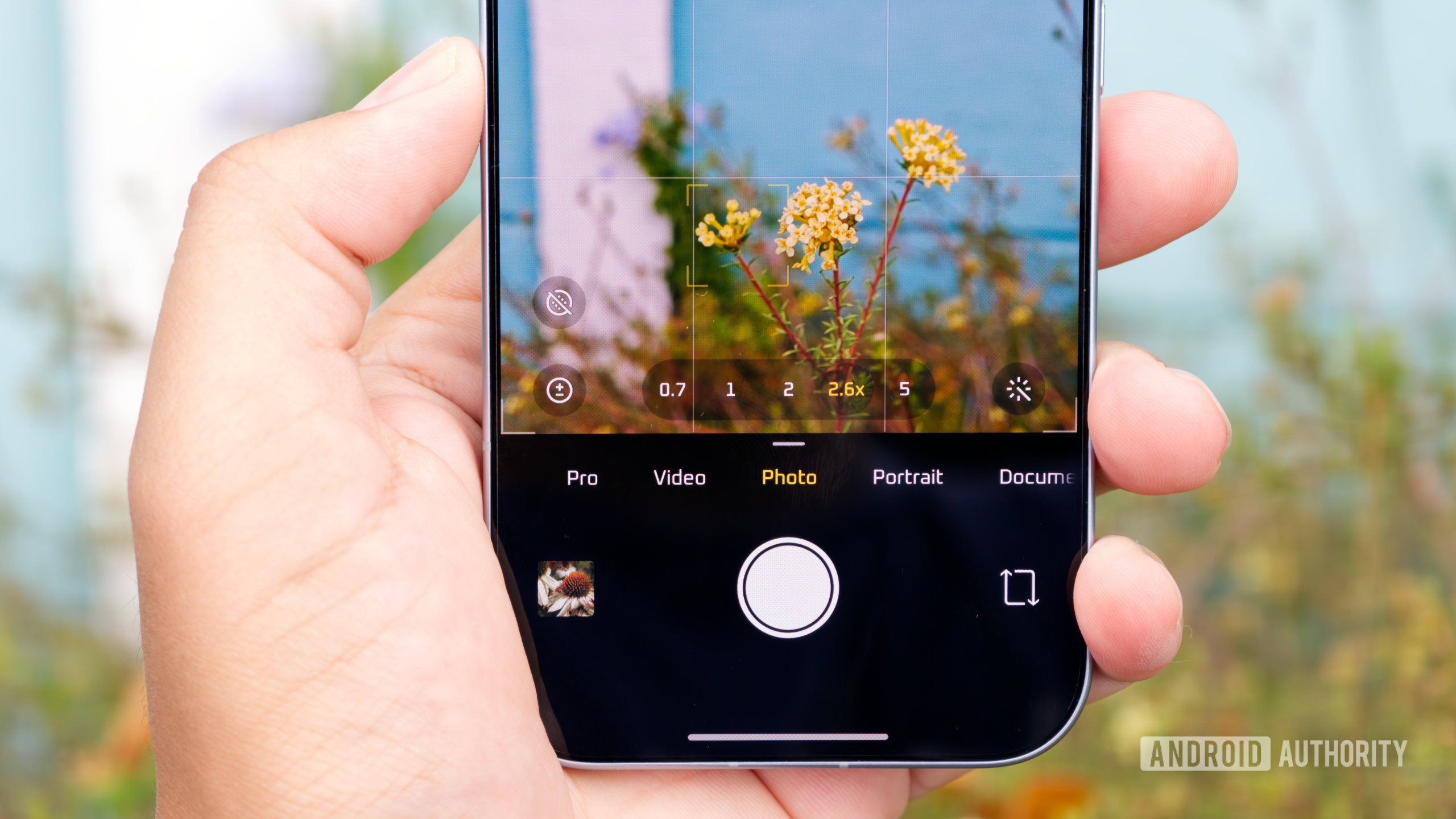
- Telephoto: 2.6× optical zoom, 50 MP
- Ultrawide: 50 MP, f/2.4 aperture (down from f/2.2)
Image Quality
I didn’t spend enough time with the phone to definitively say whether these hardware downgrades make a notable difference to image quality, but the phone produced great shots most of the time.
- Main camera – still large for 2026, delivering natural‑looking bokeh without excessive sharpening.
- Telephoto – the 2.6× lens is capable, though a 3×–3.5× option would have been welcome for longer‑range zoom.
- Ultrawide – solid in daylight, but it falls short on contrast and detail in low‑light situations.
- Macro – supported and usable.
Overall, the photos maintained a consistent color profile (thanks to the Leica‑tuned modes), healthy detail, and a wide dynamic range.
Video
- Missing feature: Xiaomi still hasn’t added 4K / 120 fps video capture to its base flagship.
In short, the Xiaomi 17’s camera hardware is a step back from the Ultra and even the previous generation, yet it still delivers respectable photos for most everyday scenarios.
Is the Xiaomi 17 Worth Buying?
Hadlee Simons / Android Authority
The Xiaomi 17 starts at €999 (~$1,181). You get plenty of horsepower, a huge battery, and a compact package—making it a solid alternative to the identically priced Galaxy S26.
Things to Consider
- Xiaomi 15 (discounted) – The battery isn’t as large and the processor is a year old, but the overall package is still very similar to the new phone.
- Galaxy S26 (base model) – Worth considering if the Xiaomi 17 isn’t available in your market. It has a smaller battery, dated camera hardware, and modest 25 W charging, but offers:
- Seven years of software updates
- A powerful chipset
- A similarly small form factor
A Cheaper Contender
POCO F8 Ultra – Recommended price €829.99 (~$980).
- Significantly cheaper than the Xiaomi 17.
- Lacks Leica‑tuned color profiles and has a larger design, but shares the same chipset and has a slightly bigger battery.
- Features a 50 MP 5× camera and a subwoofer on the back.
Thank you for being part of our community. Please read our Comment Policy before posting.