
The repairable smartphone revolution is finally picking up speed
Source: Android Authority
Brady Snyder / Android Authority
TL;DR
- The repairable smartphone revolution is gaining momentum, with Fairphone shipments surging 42 % in 2025 and revenue climbing to €73.3 million.
- 78 % of Fairphone 6 buyers are first‑time customers, showing the modular movement is moving beyond its niche origins.
- Fairphone has turned its daily operations cash‑positive and halved its net losses while continuing responsible growth.
Market Impact
The dream of a truly sustainable, repairable, modular smartphone has long been a niche interest for tech enthusiasts. According to Fairphone’s 2025 Impact Report, that niche is moving toward the mainstream.
- Shipments in 2025 increased by 42 %, delivering more than 145,000 units to customers.
- Revenue rose to €73.3 million, up 35 % from 2024.
- 78 % of early Fairphone 6 buyers were first‑time customers, indicating broader appeal.
Growth was also strong in related categories:
- Audio sales: +93 %
- Accessories: +51 %
- Spare parts: +29 %
Financial Performance
Fairphone’s operational cash flow turned positive, and the company cut its overall net losses by 50 % compared with the previous year. While not yet fully profitable, the business model demonstrates that sustainability can coexist with financial viability.
Modularity & Technical Specs
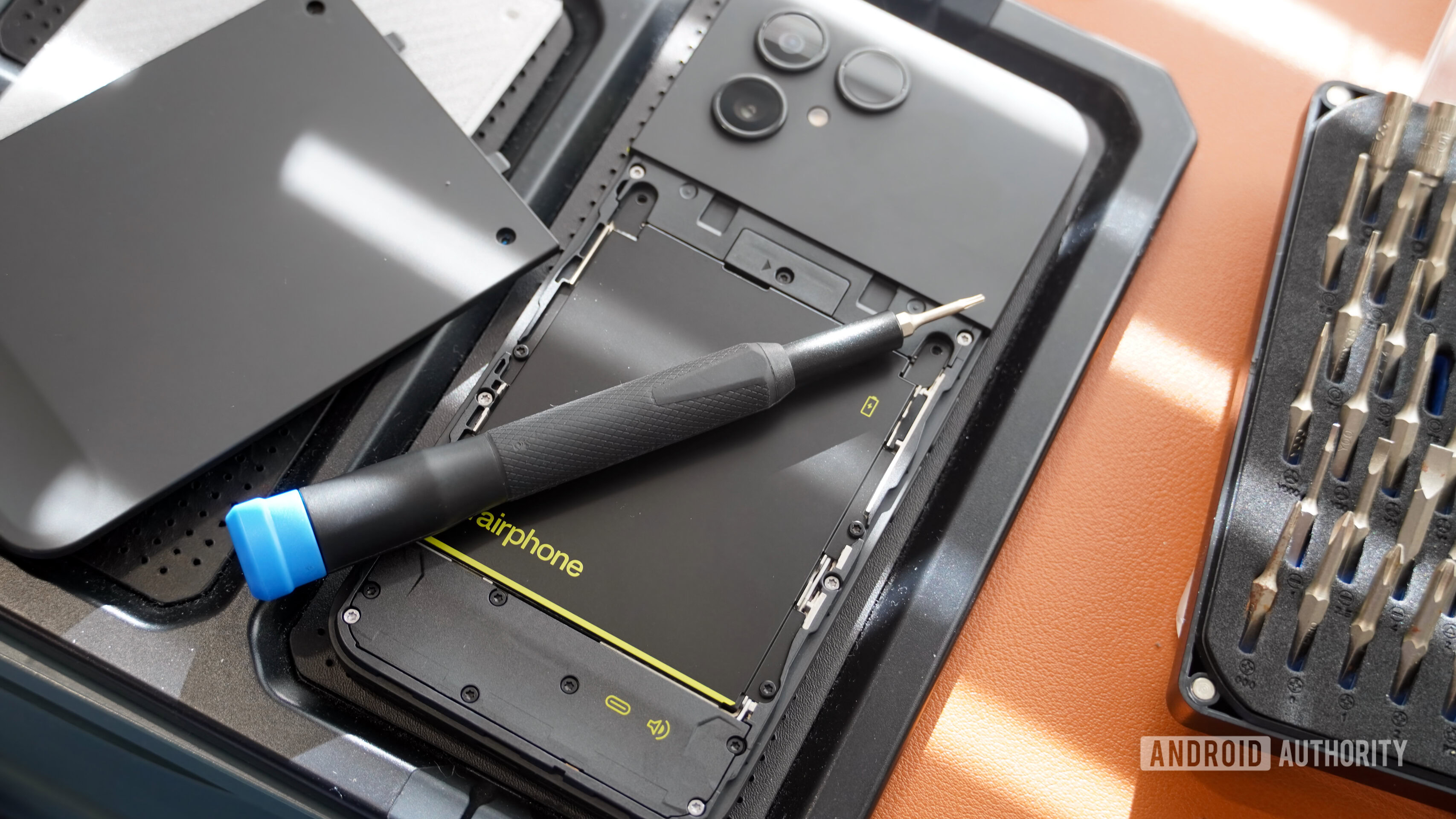
The Fairphone 6’s key advantage is its modular design:
- Individual components—including the battery—can be replaced without discarding the entire device.
- Snapdragon 7s Gen 3 SoC
- IP55 rating for water and dust resistance
- MIL‑STD‑810H durability certification
- Standard 2‑year warranty, extendable up to 3 years after product registration
- Promised 8 years of software support
These specifications show that a phone built to last can still meet modern performance expectations.
Takeaway
Fairphone’s 2025 results prove that phones can be designed for longevity without upending a company’s business model. With modularity, extended software support, and solid hardware, the device respects both the consumer’s wallet and the planet’s resources. If a relatively small Dutch firm can achieve this growth, the rest of the industry has fewer excuses for ignoring repairability and sustainability.