
The Pixel 10a is here, but I’m not upgrading
Source: Android Authority
Would you upgrade from the Pixel 9a to the Pixel 10a?
0 votes
What’s New with the Pixel 10a
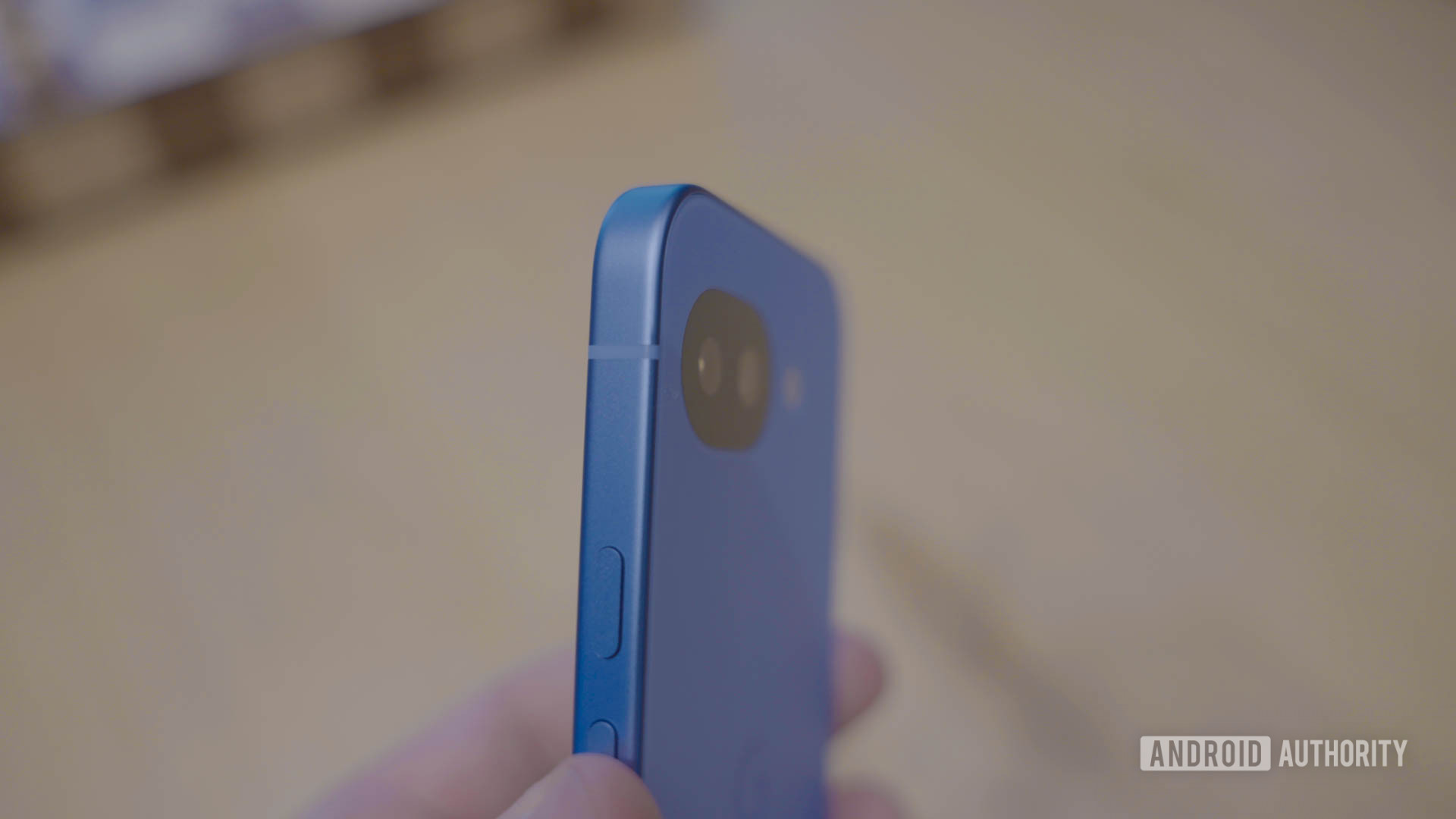
Design
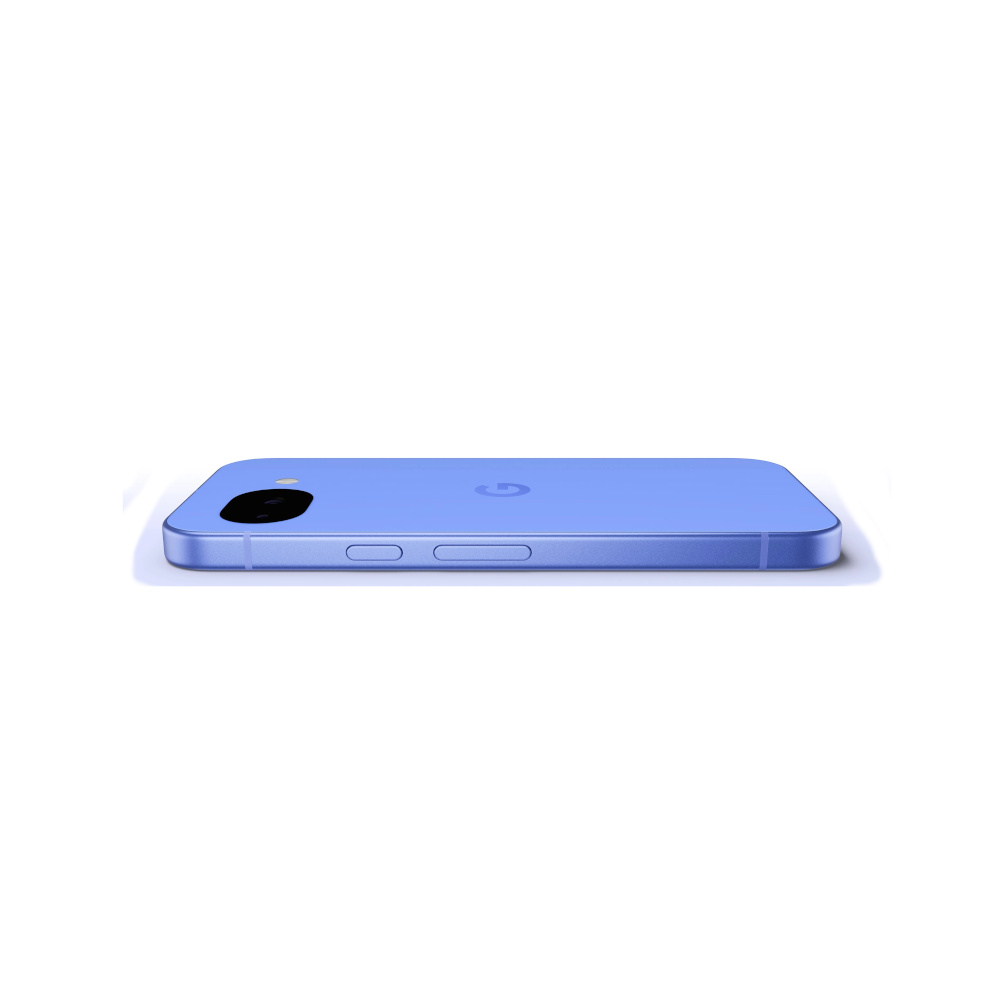
- Flat back – The camera bump is gone; the module sits flush with the chassis, so the phone won’t wobble when placed on a surface.
- Slightly smaller bezels – The footprint is a touch smaller even though the display size is unchanged.
- Weight – Up to 3 g lighter (a negligible difference).
- New colors
- Obsidian (carried over)
- Lavender
- Berry
- Fog
Display
- Brightness: 11 % brighter, jumping from 2,700 nits to 3,000 nits.
- Protection: Now uses Corning Gorilla Glass 7i for improved drop resistance.
Charging
- Wired: Up to 30 W (up from 23 W).
- Wireless: 10 W (up from 7.5 W).
Note: Real‑world charging speed will be covered in the upcoming full review.
Connectivity & Safety
- Satellite SOS – Enables emergency calls via satellite when there’s no Wi‑Fi or cellular coverage.
Software Features (previously flagship‑only)
- Auto Best Take – AI‑driven photo selection.
- Camera Coach – Real‑time guidance for better shots.
- Voice‑prompted editing in Google Photos – Edit images hands‑free.
- Quick Share now works with AirDrop – Seamless cross‑platform file sharing.
Some of these features may roll out to the Pixel 9a via a software update, though Google has not confirmed or denied this yet.
Here’s What Stayed the Same
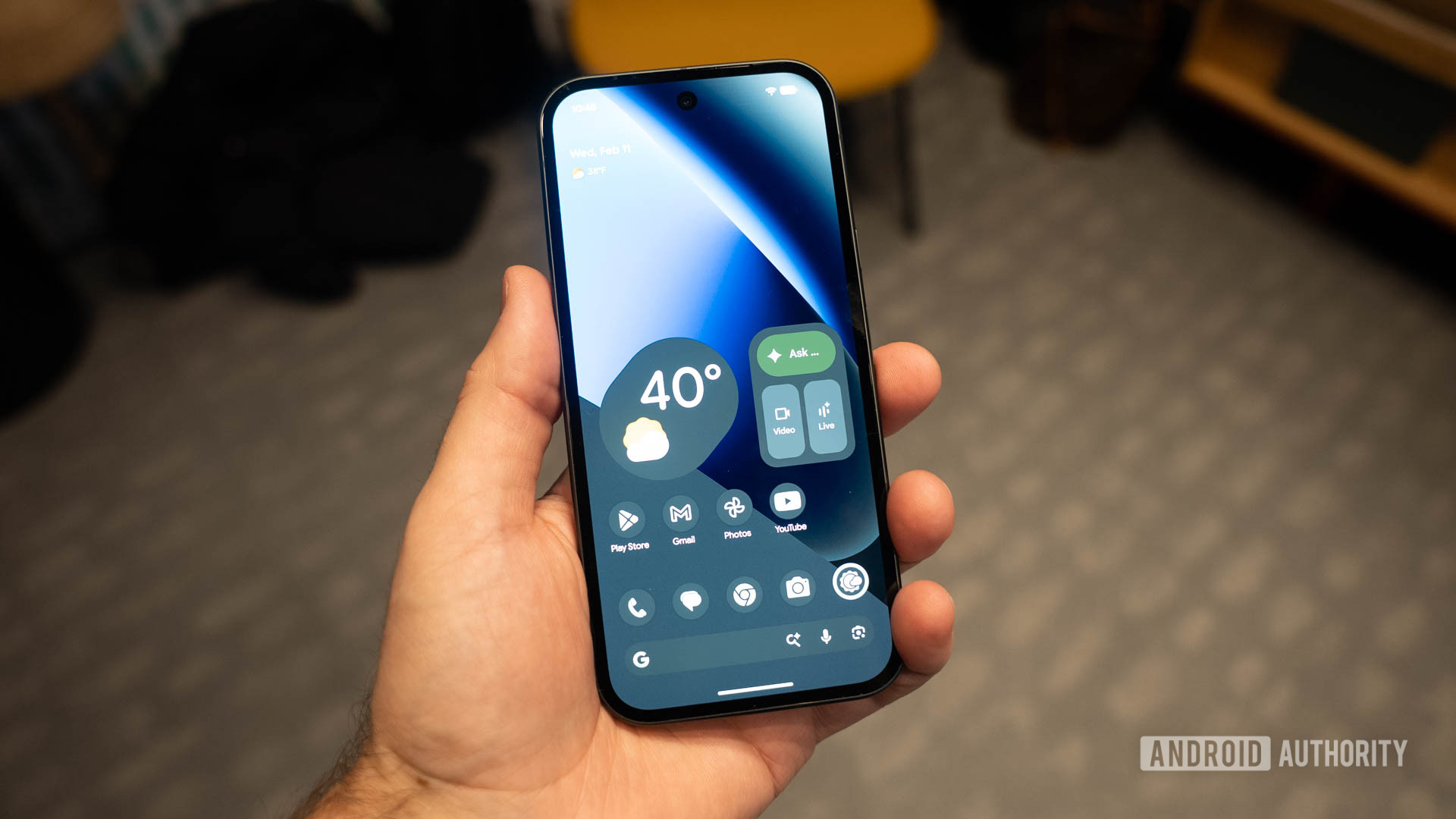
The Pixel 10a shares a lot of similarities with the Pixel 9a. Apart from the small design differences mentioned earlier, the look and feel of the two devices is essentially the same, making them hard to tell apart at a glance. The new colour options are the biggest visual differentiator.
Display
- 6.3‑inch panel
- 120 Hz refresh rate
- Slightly brighter than the 9a, but otherwise unchanged
Processor
- Still powered by the Tensor G4 – the same SoC used in the Pixel 9a.
- It’s a capable chip that handles most tasks with ease, but the lack of an upgrade to the Tensor G5 (found in the flagship Pixel 10 series) feels like a missed opportunity.
Camera
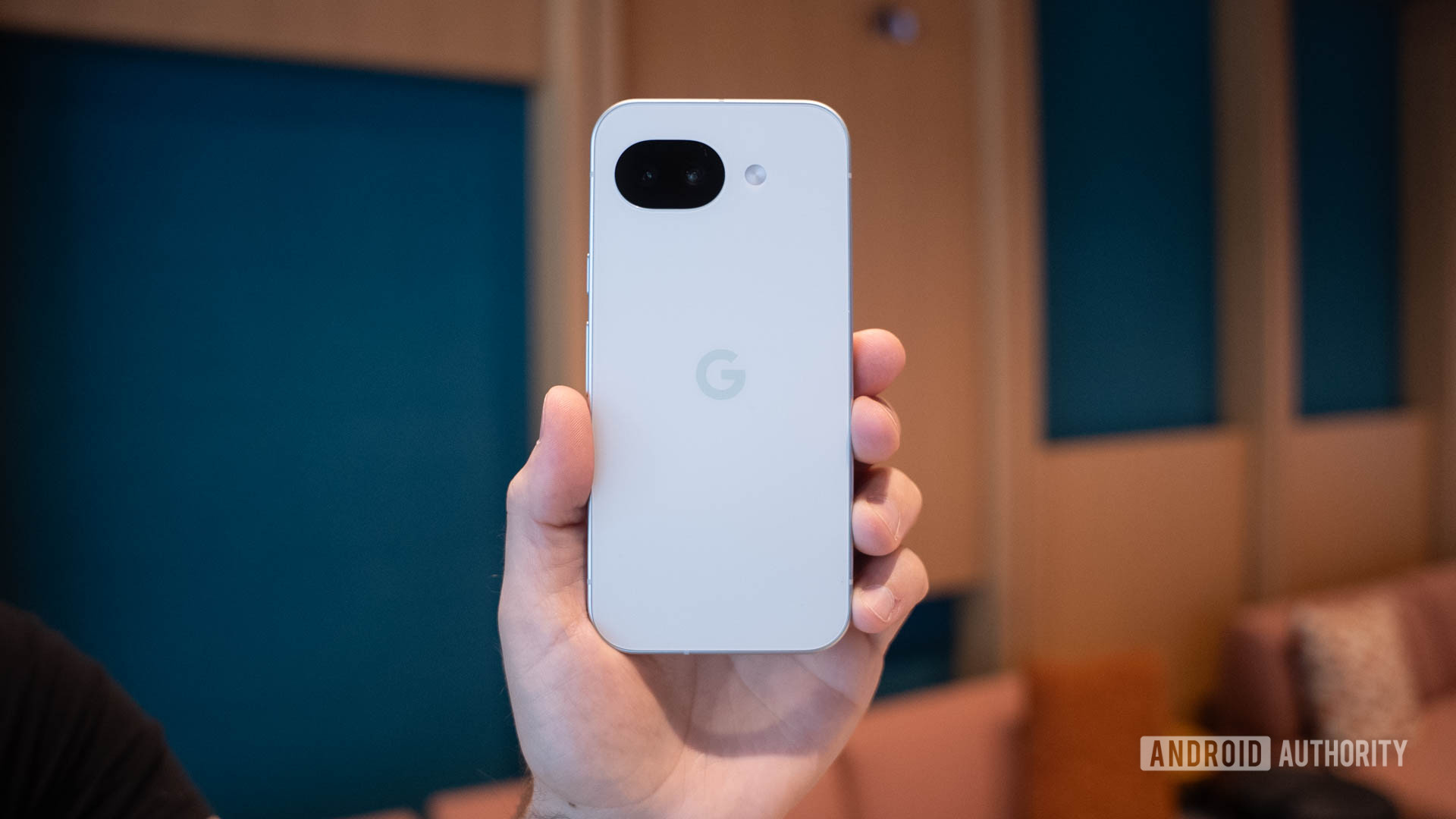
- Hardware unchanged: 48 MP + 13 MP rear dual‑camera and 13 MP front camera.
- New software features have been added (see the previous section).
Memory & Storage
| Configuration | RAM | Storage |
|---|---|---|
| Base model | 8 GB | 128 GB |
| Upper model | 8 GB | 256 GB |
Build & Battery
- Back panel remains plastic – the hoped‑for switch to glass didn’t happen.
- Battery capacity stays at 5,100 mAh.
- Fingerprint sensor is still optical, not the faster ultrasonic type.
Software & Updates
- Launches with Android 16 (instead of Android 15).
- Google promises seven years of software updates – ample for most users, especially since the battery will likely degrade before then.
Pricing
- The starting price is unchanged at $500 for the Pixel 10a.
Overall, the Pixel 10a feels like a refreshed Pixel 9a with minor tweaks rather than a full‑fledged generational upgrade.
I’m Not Upgrading, and Neither Should You
The Pixel 10a is a solid phone, but it’s only a modest upgrade over the Pixel 9a. For most people, the extra cost isn’t justified—except perhaps for the satellite SOS feature, which can be a lifesaver in remote areas.
I’m no longer a frequent hiker, so I’ll stick with my Pixel 9a. If you have an older, worn‑out device and need a replacement, the Pixel 10a is worth a look. Otherwise, I’d recommend saving the money and opting for the cheaper Pixel 9a, which is essentially the same phone at about 20 % less right now.
Google Pixel 10a
Key Highlights
- Gemini AI features – Google’s latest AI tools on a mid‑tier device
- Solid mid‑tier offering – Good performance for the price
- Great software‑support promise – Up to 7 years of updates
MSRP: $499.99
Why It Stands Out
- Tensor G4 processor
- Brighter 120 Hz 6.3‑inch display
- Tougher Gorilla Glass 7i
- Satellite SOS connectivity
- Dual‑camera system with reliable image quality
- 30 W fast charging
Follow Us
Thank you for being part of our community. Please read our Comment Policy before posting.