
SATA SSD cheated death from failed attempt at data destruction with a drill — drive emerges victorious in face-off against IT worker
Source: Tom’s Hardware
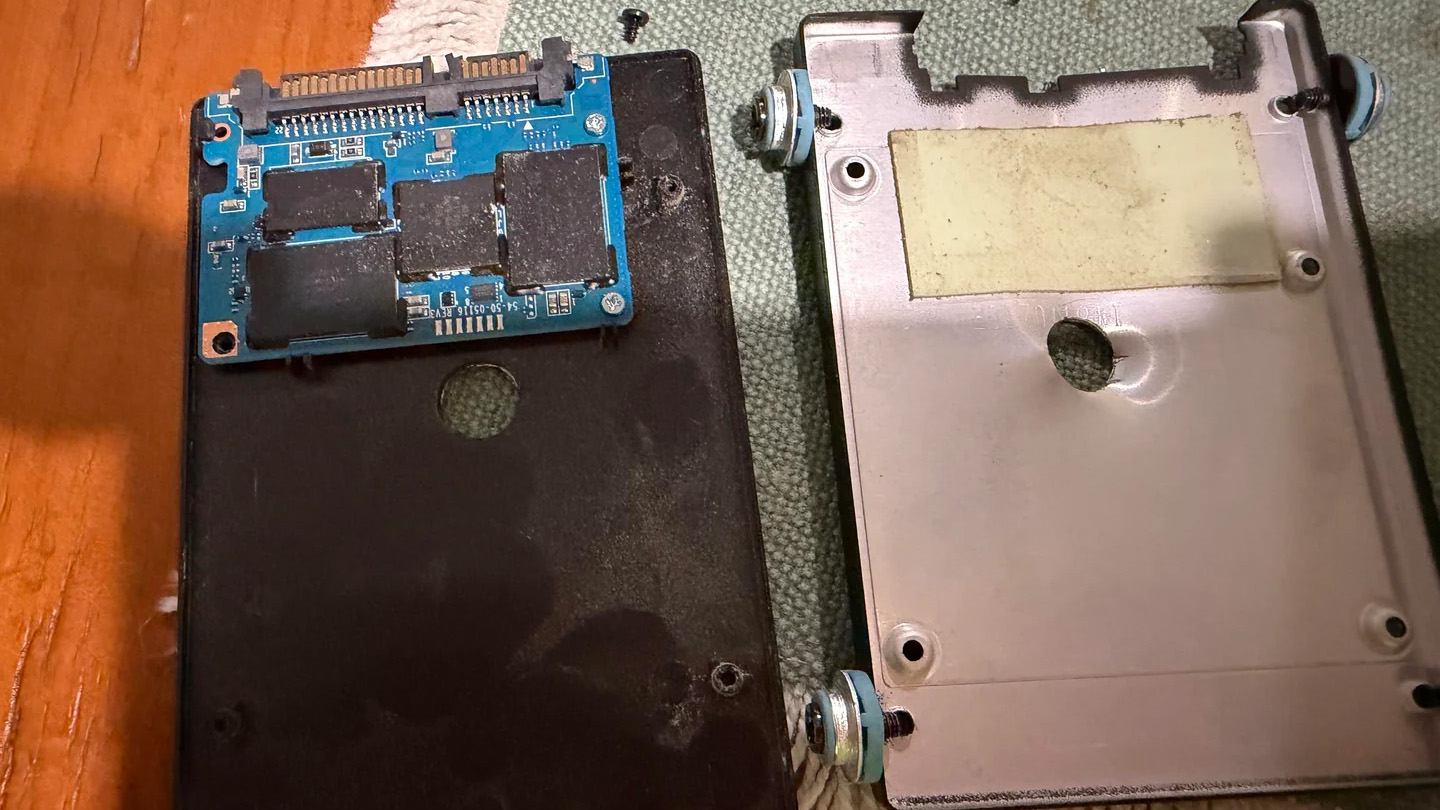
Image credit: Reddit/Stretcheddd
Incident Overview
An IT employee attempted to destroy a SATA SSD by drilling a hole through it before disposal—a common practice for ensuring data is unrecoverable. The drill missed the drive’s PCB entirely, leaving the SSD intact and its data still accessible. The undamaged drive later resurfaced on the market.
Lessons Learned
The “IT guy” at work drilled through the SSD’s before giving them away – from r/pcmasterrace
Drilling a hole through a hard drive is an old‑school method, but SSDs differ. Many modern SSDs have short PCBs, so a single central perforation may never reach the NAND chips. To be effective, multiple perforations or opening the drive to expose the components is necessary.
Data Destruction Options
- Manual destruction – feasible for small operations but cumbersome at scale.
- Professional destruction services – outsource the process to companies that handle bulk drives safely.
- Dedicated hardware destroyers
-
DiskMantler: uses vibration to destroy hard drives in ~90 seconds.
-
Puncher P30: drills four holes through a drive with 12 tons of pressure.
-
MediaGone 500 SSD & Flash Media Shredder: shreds hundreds of SSDs, USB flash drives, and smartphones per hour.
-
NVMe Destroyinator: wipes up to 16 M.2 SSDs simultaneously at speeds up to 64 GB/s.
-
Recommendations for Physical Destruction
- Multiple perforations: Drill several holes targeting the NAND chips and controller rather than a single central hole.
- Post‑drill inspection: Add a mandatory visual check to confirm that the PCB and chips have been damaged.
- Alternative tools: A hammer can effectively smash internal components and may be more reliable than a single drill pass.
Implementing these steps helps ensure that data is truly unrecoverable, providing peace of mind for both employees and organizations.