
Samsung’s flagship phones could be even more expensive next month
Source: Android Authority
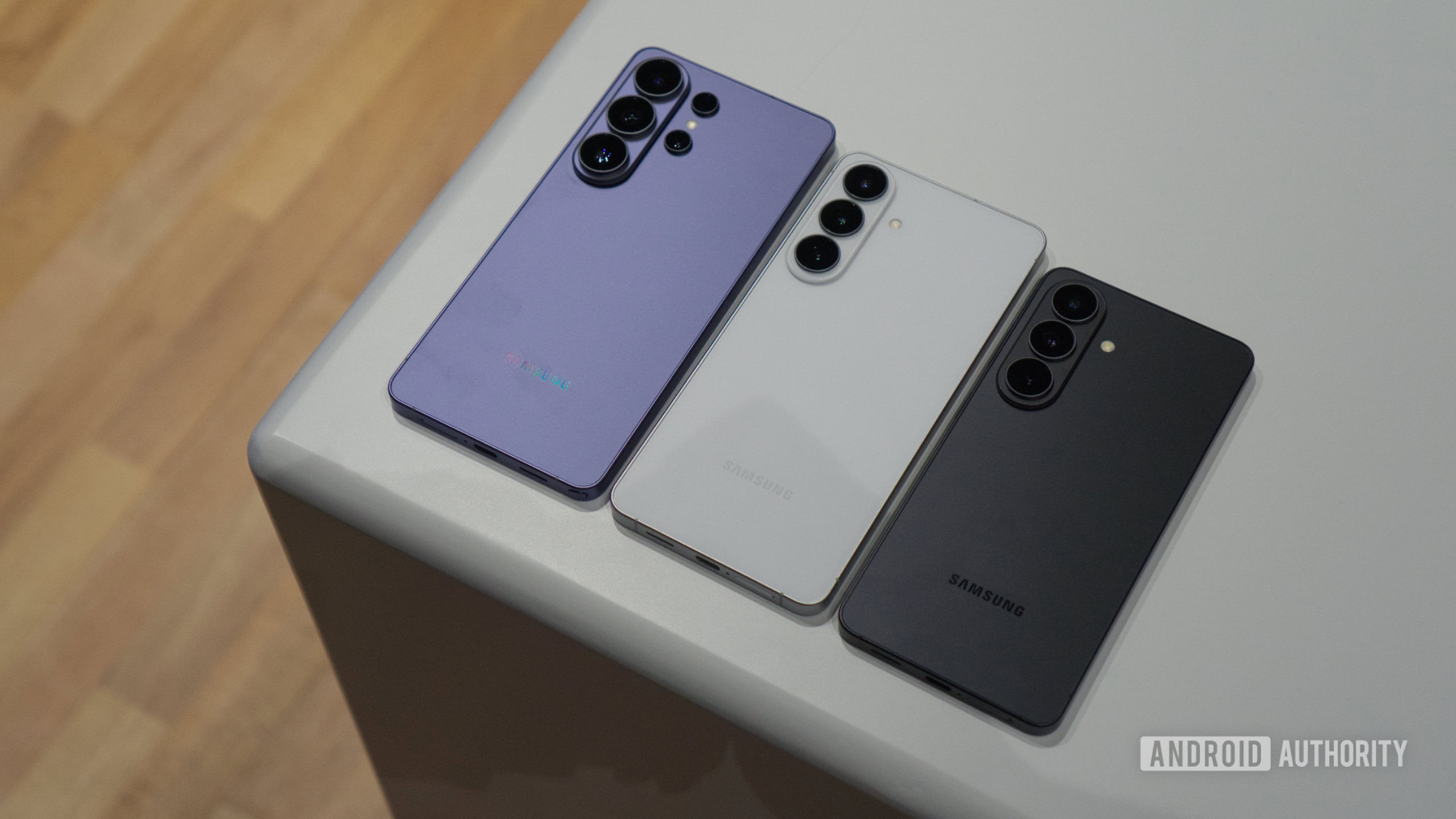
TL;DR
- Samsung will reportedly raise the price of various flagship phones in Greece from next month.
- The price hikes will apply to the Galaxy S series, the Galaxy Z Fold 7, the Galaxy Z Flip 7, and Galaxy FE phones.
- This could signal broader price increases in Europe and the US.
Background
The consumer‑tech industry is grappling with price increases due to AI companies consuming large amounts of RAM and storage. Samsung is no exception; the Galaxy S26 series received price hikes in some markets. Now the company appears to be preparing for another round of price increases.
Reported Price Increases in Greece
TechManiacs reports that Samsung will raise the price of various flagship phones in Greece from the first week of June. The increases will affect:
- Galaxy S series
- Galaxy Z Fold 7
- Galaxy Z Flip 7
- Galaxy FE phones
All affected models will cost at least €100 (~$116) more, with higher‑storage variants potentially seeing larger hikes.
The Galaxy S26 series already saw price hikes in the region, ranging from €50 to €80 (~$58 to ~$93) for base‑storage models. This means consumers may have to pay even more for Samsung’s latest flagships, including the cost‑effective Galaxy S25 FE (review).
Potential Impact on the United States
Similar price pressure is expected in the US. Samsung previously raised Galaxy S26 series prices by $40 to $100, with larger increases for higher‑storage variants. Consumers may want to purchase S26 phones or other recent Galaxy flagships sooner rather than later.
Upcoming Unpacked Event
The news arrives ahead of Samsung’s next Unpacked event, slated for July 22. Samsung is expected to unveil:
- Galaxy Z Fold 8 (Wide Fold)
- Galaxy Z Fold 8 Ultra
- Galaxy Z Flip 8
These new devices may also carry higher price tags.
Industry Context
Samsung is not alone in implementing price hikes in 2026. Brands such as OPPO, OnePlus, vivo, and Xiaomi have all raised prices in various markets amid the RAM crisis. The broader industry trend reflects the ongoing challenges posed by AI‑driven demand for memory resources.