
Samsung reportedly can’t even buy its own Exynos chips for less, adding to Galaxy S26 price hike
Source: 9to5Google
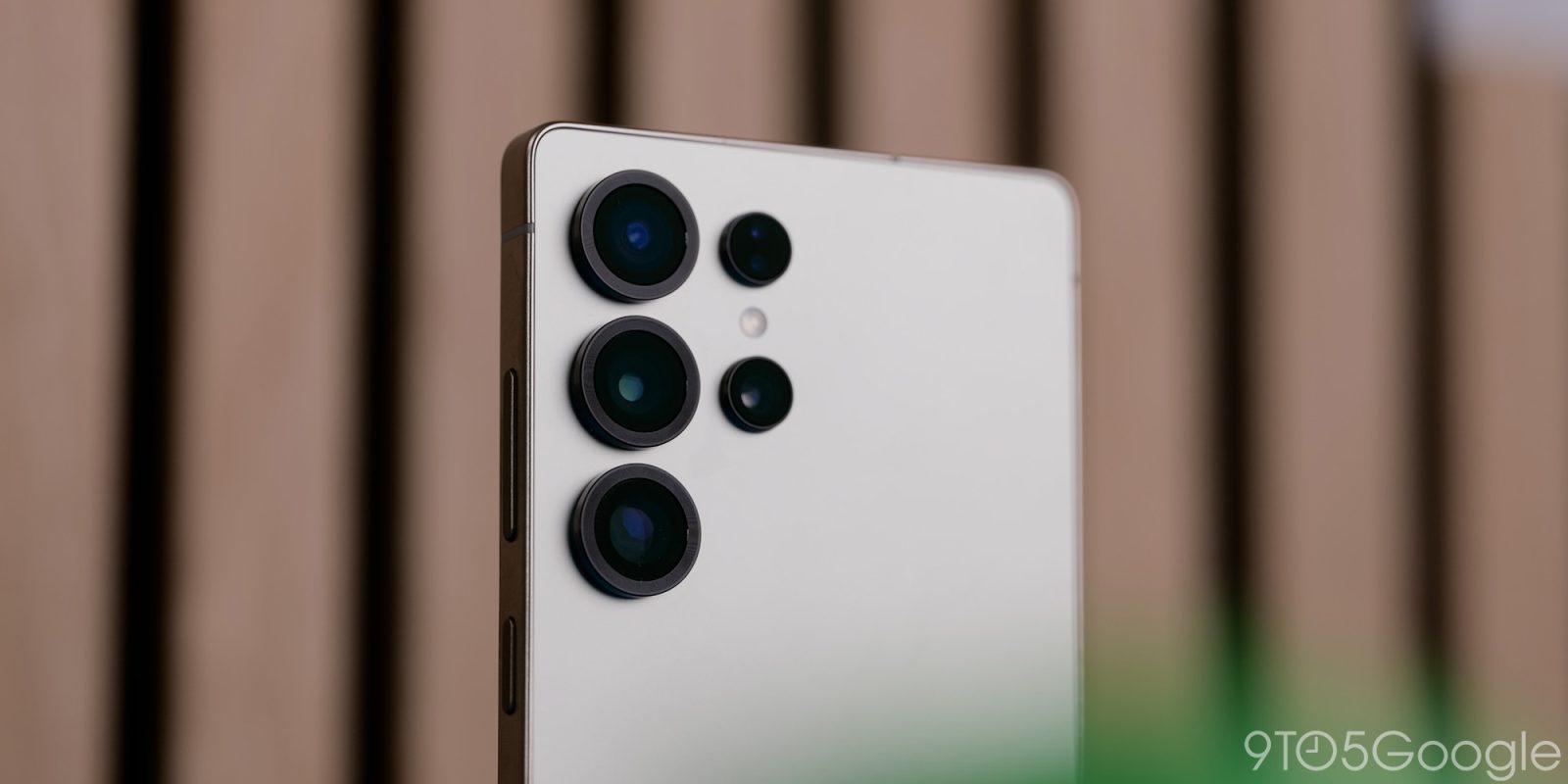
Why the Galaxy S26 price is expected to rise
Surfacing reports suggest that Samsung held out as long as it could in previous years, but rising RAM and chip costs are forcing a launch‑price increase for the Galaxy S26. The company now faces a “raise prices or nothing” dilemma.
The chip market is strained as AI companies demand more power. This pressure has led RAM manufacturers like Samsung to repurpose precious RAM real‑estate for high‑bandwidth memory (HBM) production.
According to insiders cited by Chosun (link), Samsung delayed incremental price hikes for several years. In 2025 the Galaxy S25 pricing was altered at the last minute: Roh Tae‑moon, head of mobile, kept the S25 series prices consistent with the previous model even though higher costs were expected.
While earlier price bumps were attributed to general global cost increases, the current AI‑driven demand for processing power has pushed memory costs high enough to force a noticeable increase for the Galaxy S26.
Samsung’s Exynos pricing dilemma
The report notes that, although Samsung manufactures its own Exynos processors, it “is not in a position to purchase Exynos at a cheaper price than its competitors.” This long‑rumored situation is now being stated outright. The likely cause is Samsung absorbing some costs to keep both commercial and consumer clients on board.
Chipset lineup by region
- Europe: Expected to use Samsung’s Exynos processors for the Galaxy S26 series.
- United States: Likely to carry Qualcomm’s Snapdragon 8 Elite Gen 5.
Even though the U.S. devices are not directly affected by the Exynos pricing issue, Samsung is unlikely to localize price increases when the entire industry feels pressure from larger RAM and storage shortages.
Impact on sales and storage‑upgrade benefits
The Galaxy S25 demonstrated Samsung’s willingness to absorb costs; the series saw a massive sales increase (source). This year, however, thin margins and competition from Apple—potentially freezing its pricing for another year—are causing concern.
Another point of interest is whether Samsung will retain its free storage‑upgrade benefit for pre‑order customers. The program, which allowed a higher storage tier at a lower price, was expected to be dropped because storage costs are directly affected by memory component price hikes. Its status remains unknown but could be significant for consumer retention.
What we know about the upcoming pricing
Exact price changes have not been confirmed. Reports differ on whether the Galaxy S26 and S26+ will see price hikes, while the Ultra model might retain its current price point.
We’ll have definitive numbers when Samsung launches the devices on February 25 (announcement link).