
Razer AIKit: Open-Source, Local-First AI Workflows for Developers
Source: Dev.to
Razer isn’t just building AI companions and game‑centric assistants; it’s also putting serious tools into the hands of developers who want to build, train, and fine‑tune AI models without being locked into the cloud.
Last year I wrote about the new Razer AI Game Copilot that can help you build games better. Now Razer is taking it one step further with a developer toolkit, not just another SDK.
Razer AIKit Overview
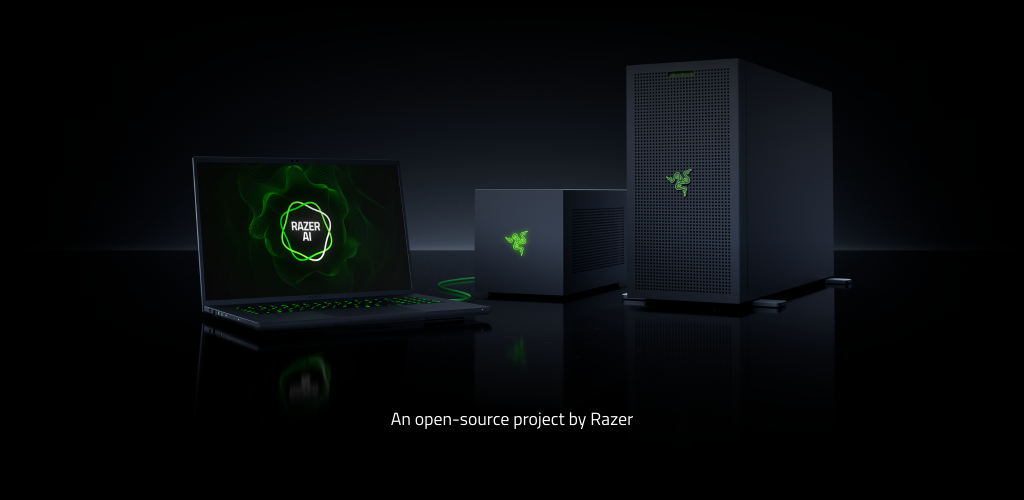
At its core, Razer AIKit is an open‑source AI development platform designed to streamline the entire AI lifecycle. Instead of wrestling with cloud setup, fragmented tooling, and manual GPU configuration, developers can launch and optimise large language models (LLMs) locally — with performance comparable to cloud instances.

Key strengths
- Automatic GPU discovery and cluster formation – AIKit detects compatible GPUs on a system and orchestrates them as an efficient cluster, removing the manual plumbing that typically slows down local AI workflows.
- Low‑latency, local‑first model tuning and inference – With everything running on‑premise, latency drops and developers get full control over data and performance.
- Open‑source on GitHub – The entire platform is available for developers to inspect, extend, and improve. This is a big plus for anyone building specialised AI tools or research workflows.
Compatibility
AIKit isn’t tied exclusively to Razer hardware. It runs on any system with a compatible GPU, though it integrates especially well with Razer’s expanding AI ecosystem, including workstations and accelerators.
What does this mean for developers?
For game developers, software engineers, and AI researchers alike, Razer AIKit fills a gap between heavyweight cloud services and lightweight local experiments. Instead of juggling disparate tools, AIKit offers a single, scalable platform that supports both training and inference. Code and models stay close to home, eliminating cloud fees and data‑egress latency.
It’s a logical next step from Razer’s earlier announcements (like the AI Game Copilot), signalling that the company wants to support both creators and the tools they use, not just deploy finished AI experiences.